The Temple of Gaia
Cultivating reverence for the Earth as our sacred temple.
Temple of Gaia is a spiritual community devoted to honoring the sacredness of the living Earth and cultivating a reverent relationship with nature. Rooted in Earth-centered spirituality, the Temple gathers people in forests, gardens, and natural landscapes for prayer, meditation, seasonal ceremonies, and communal rituals that celebrate the cycles of the Earth. Through contemplative practices in nature, sacred gatherings on the land, and the study of plant traditions and plant medicine through the Gaia School of Healing, the Temple guides individuals in deepening their connection with the living intelligence of ecosystems. These practices support personal and collective healing while fostering gratitude for the plants, landscapes, and natural forces that sustain life, encouraging a life of ecological stewardship and reverence for the Earth.












A Global Spiritual Community
Gather with us in nature for ceremony, healing, and connection.
Nature as Temple
Temple of Gaia is an earth-centered spiritual community and ministry dedicated to the divine presence within the natural world. The Temple recognizes nature as a dynamic and living spirit that sustains all life. The Earth is honored as Gaia, the great mother of life, whose ecological systems support the sacred web of existence that includes plants, animals, human beings, waters, soils, atmosphere, and all other living processes.
The Temple teaches that the sacred is not separate from nature but is present within it. Forests, rivers, mountains, oceans, winds, soils, and living ecosystems are understood as manifestations of life’s intelligence and creative force. The Earth itself is seen as a temple, and all places in nature serve as sites for reverence, prayer, meditation, and learning.
Temple of Gaia exists as a gathering place for individuals who recognize that spiritual wisdom may arise through deep relationship with the natural world. The organization welcomes individuals who feel called to cultivate reverence for the Earth and to live in a way that honors ecological balance. The Temple recognizes that humanity’s survival and wellbeing are inseparable from the health of the planet. Therefore, spiritual practice includes responsibility for ecological care and stewardship of land, water, and biodiversity.
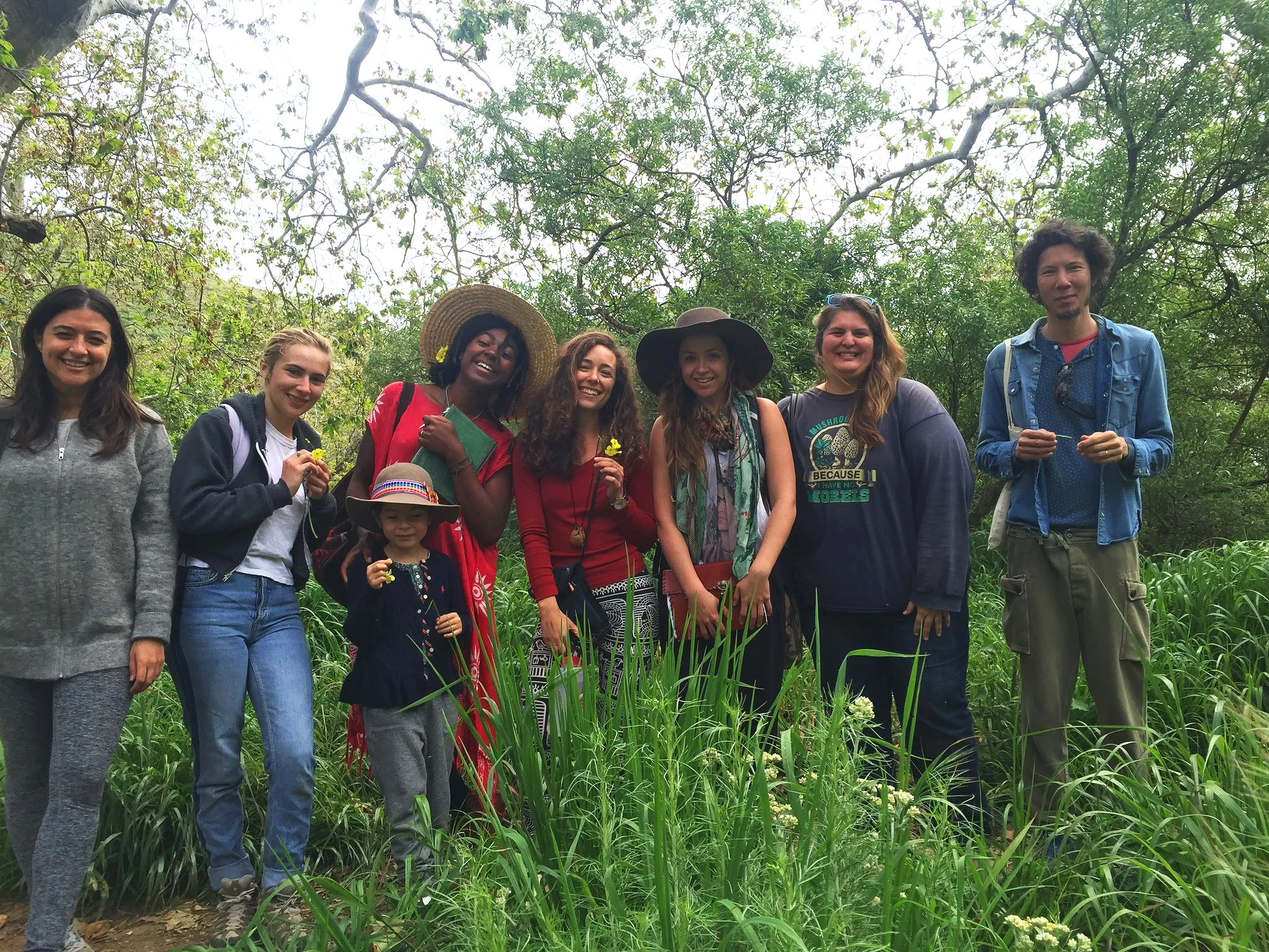
The Temple of Gaia operates as a global spiritual community, encouraging local groups around the world to gather in nature for worship, ceremony, meditation, and service to the Earth.
Mission & Spiritual Purpose
The mission of the Temple of Gaia is to help restore humanity’s sacred relationship with the Earth. Throughout much of human history, people lived in close relationship with natural cycles. Agricultural rhythms, seasonal changes, and the behavior of plants and animals have shaped spiritual traditions and cultural practices. Many current day cultures and early civilizations understood the Earth as a living presence worthy of reverence.
In recent centuries many societies have become increasingly separated from nature due to industrialization, urbanization, and technological development. This separation has contributed to ecological degradation as well as a loss of spiritual connection to the living world. The Temple of Gaia exists to help restore that relationship. Following the footsteps of earth honouring indigenous traditions around the world.
The purposes of the Temple include:
• cultivating reverence for the living Earth
• honoring nature as a manifestation of the sacred
• encouraging ecological responsibility and stewardship
• preserving traditional plant knowledge and earth-centered spiritual traditions
• supporting healing of individuals and the collective human spirit
• creating communities devoted to ecological awareness and compassion
Members of the Temple gather with the understanding that environmental crises are not only scientific or political challenges but also spiritual challenges. When human societies forget that they are part of nature, imbalance emerges. The Temple teaches that healing the planet requires both ecological restoration and transformation of human consciousness. Through ceremony, prayer, meditation, education, and stewardship, the Temple of Gaia seeks to nurture a culture in which humanity once again lives in harmony with the natural world.
Weekly Global Gatherings
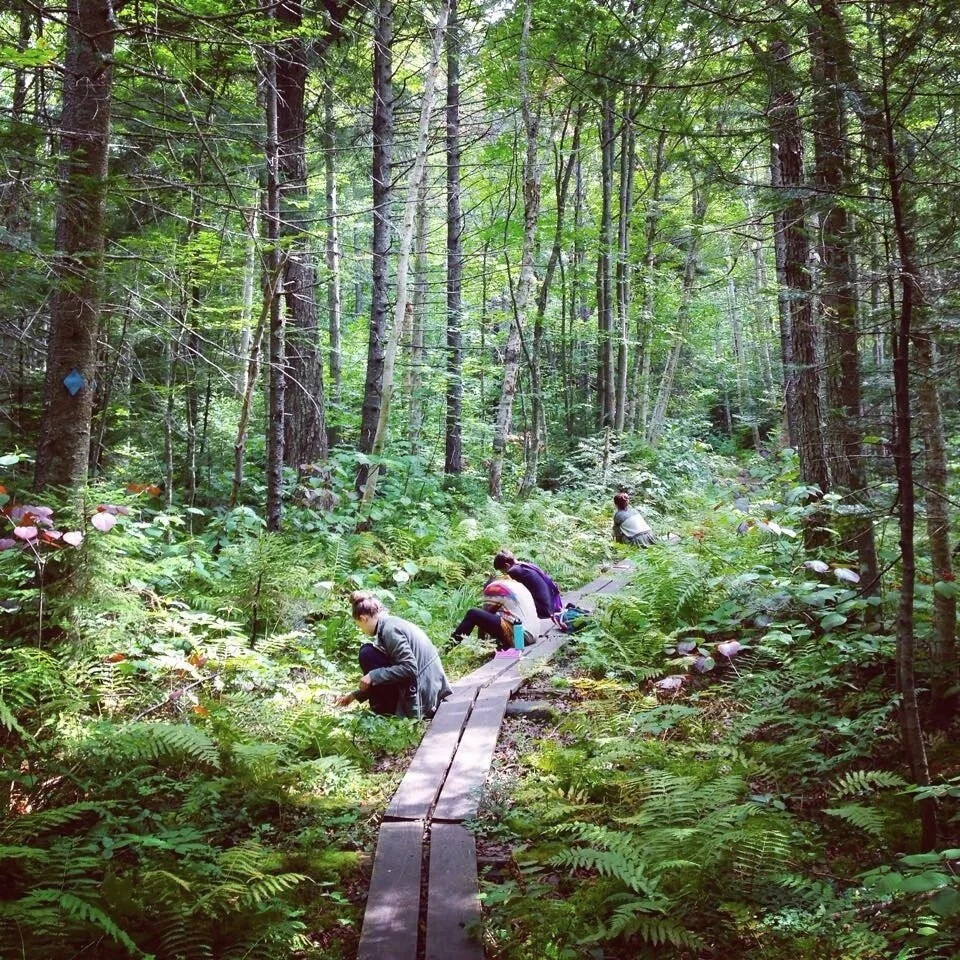
The Temple of Gaia gathers weekly in locations throughout the world to practice worship, meditation, ritual, and prayer in nature. These gatherings are organized by ministers and members of the Temple who feel called to create spaces where people can reconnect with the Earth. Local temples and gathering circles may meet in forests, parks, gardens, mountains, riversides, coastlines, or other natural environments.
The intention of these weekly gatherings is to create regular opportunities for individuals and communities to step away from the pace of modern life and return to the rhythms of the natural world. Through shared silence, meditation, and ceremony, participants cultivate awareness of their connection to the living Earth.
Weekly gatherings may include:
• guided meditation in nature
• ceremonial offerings of gratitude to the Earth
• prayers for healing of ecosystems and communities
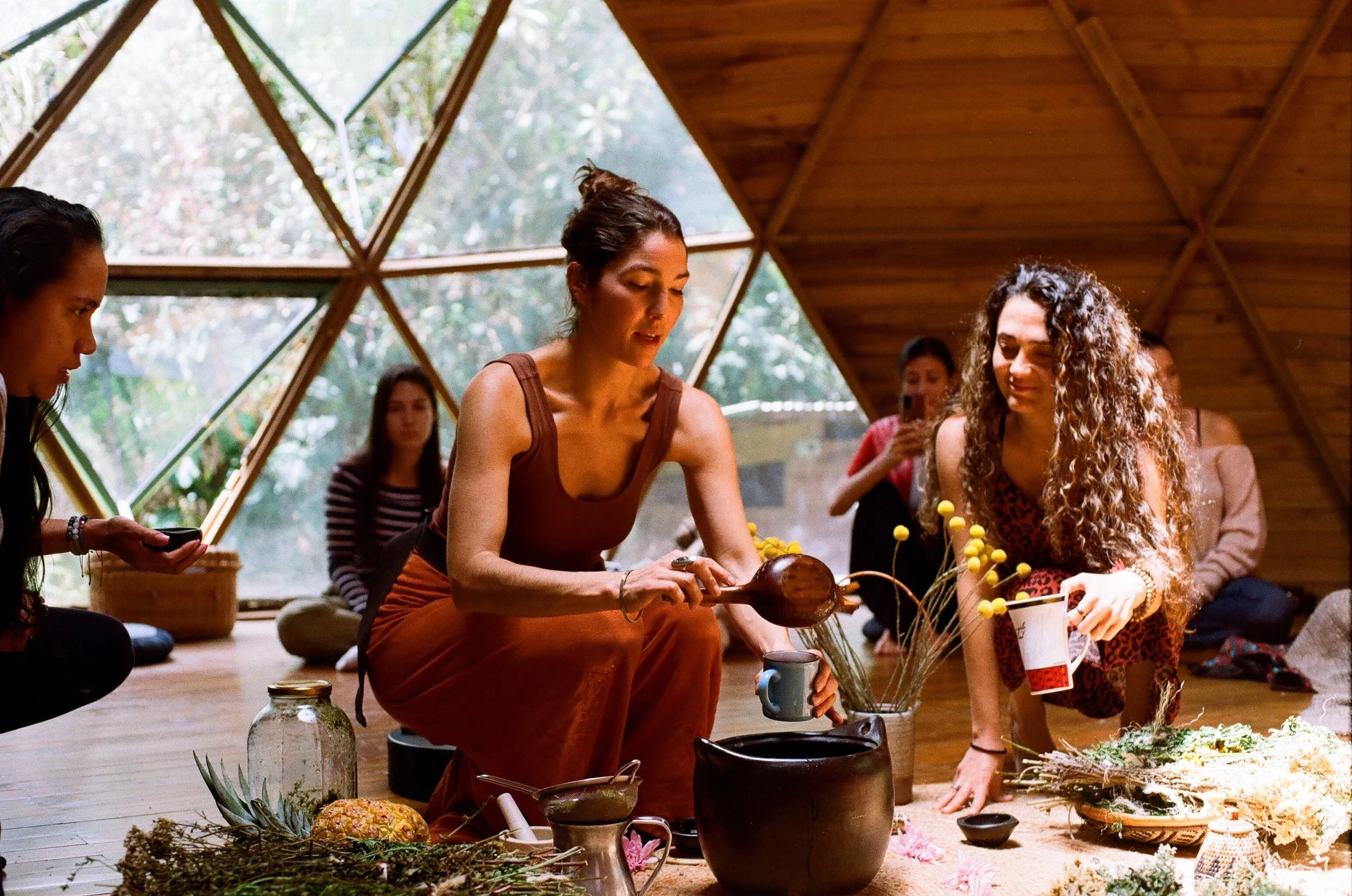
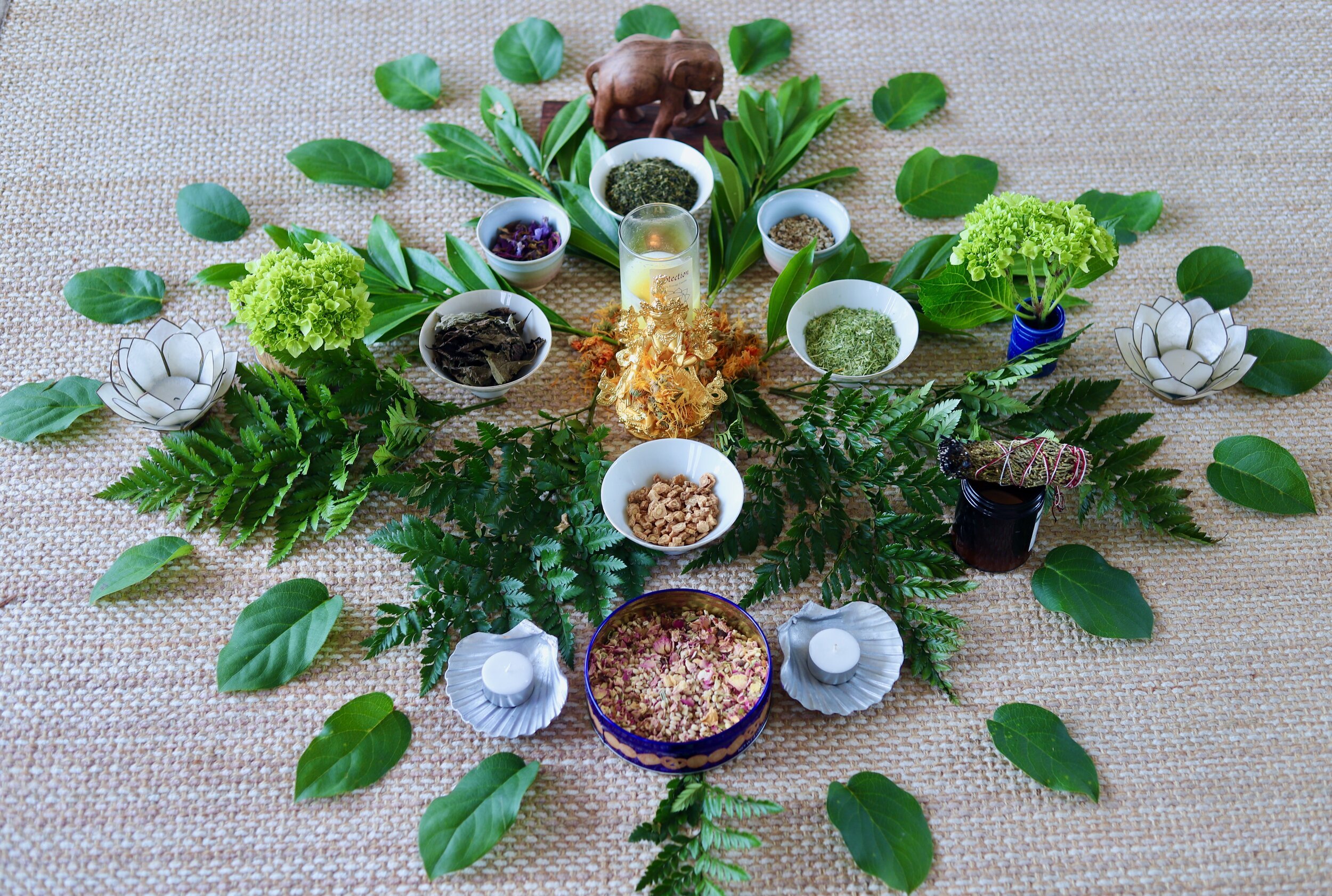
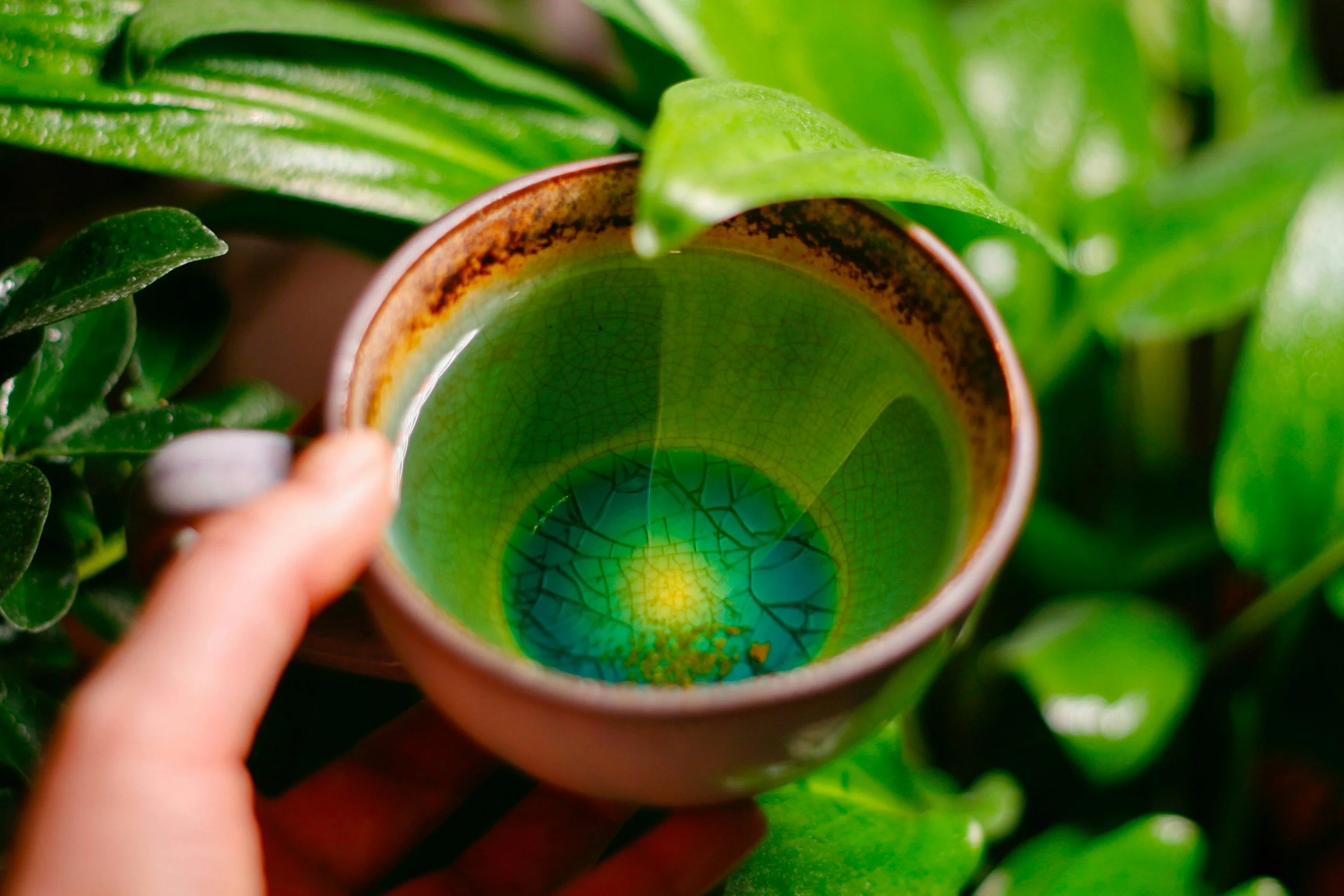
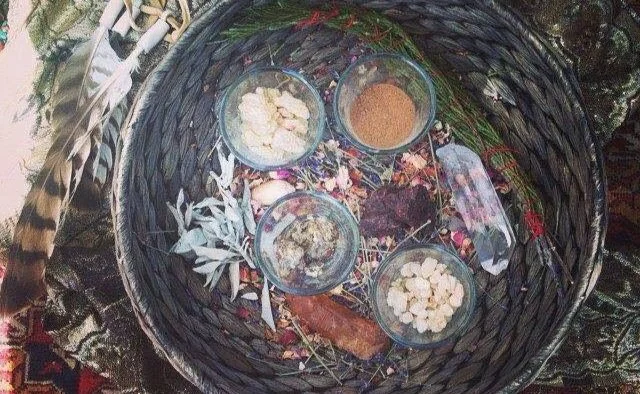
• plant communion and herbal tea ceremonies
• ecological education and discussion
• group reflection on seasonal cycles
The Temple affirms that connection to the sacred Earth should be accessible to everyone. For this reason, weekly gatherings are offered freely to the public whenever possible. The Temple encourages ministers and members across the world to establish local communities where people may gather regularly to cultivate reverence for Gaia and to strengthen their relationship to the sacred within nature.
Leadership and Lineage of Women Spiritual Guides
The Temple of Gaia is organized and guided by womxn ministers who serve as spiritual stewards. This leadership structure honors a long lineage of women who have played central roles in earth-based spiritual traditions throughout human history. Across many cultures, women have been keepers of ecological knowledge, plant medicine, and ceremonial traditions connected to land and seasonal cycles.
In many early societies, women served as mediators between human communities and the living forces of nature. They were often responsible for ceremonies marking seasonal changes, harvest cycles, births, and healing rituals. The Temple of Gaia recognizes these traditions as part of humanity’s spiritual heritage and seeks to honor them by supporting women as spiritual leaders within the Temple.
Women ministers guide ceremonies, offer teachings, support community healing, and help others cultivate deeper relationships with the natural world. Leadership within the Temple operates through collaboration rather than hierarchy. Ministers work together to support the wellbeing of communities and the health of ecosystems.
Council of Earth Stewards
The governing body of the Temple of Gaia is the Council of Earth Stewards. The Council is composed primarily of ordained women ministers who serve as guardians of the Temple’s spiritual teachings and practices. The Council functions as a circle of leadership rather than a centralized authority.
Responsibilities of the Council include:
• safeguarding the spiritual principles of the Temple
• guiding ceremonial traditions and teachings
• supporting ministers and local temple communities
• overseeing training programs for ordination
• helping establish new temples around the world
• encouraging responsible ecological stewardship
Members of the Council are chosen based on their dedication to the Earth, their service to the community, and their demonstrated commitment to the teachings of the Temple of Gaia. The Council also works to ensure that the Temple remains aligned with its founding purpose: fostering reverence for the living Earth and supporting healing for both people and ecosystems.
Membership
Membership in the Temple of Gaia is open to individuals who recognize the sacredness of the Earth and feel called to live in respectful relationship with the natural world. Members of the Temple participate in spiritual practices that cultivate gratitude, humility, and ecological awareness. Participation may include attending weekly gatherings, seasonal ceremonies, educational programs, and ecological restoration projects.
The Temple welcomes people from diverse cultural backgrounds and spiritual traditions. The intention of the Temple is not to replace other traditions but to provide a space where reverence for the Earth can be practiced in community. Members are encouraged to deepen their personal relationship with nature through observation, meditation, gardening, plant study, and ecological stewardship.
Sacred Land & Ecological Stewardship
The Temple of Gaia recognizes land as sacred and belonging to all living beings. Throughout human history, many cultures honored living landscapes as sacred sites: groves of ancient trees, mountains, springs, rivers, and wild places where people experienced a deep sense of connection with the natural world. The Temple continues this tradition by treating land with reverence wherever it gathers. Sacred spaces may include forests, gardens, ceremonial grounds, or land sanctuaries protected for ecological restoration.
Members are encouraged to practice stewardship through activities such as:
• restoration of native ecosystems
• planting of trees and medicinal plants
• protection of soil health and water sources
• cultivation of biodiversity
These practices are considered acts of devotion to Gaia. Caring for the Earth is not only an environmental responsibility but also a spiritual practice.
Ordination of The Ministers of Gaia
Ministers of Gaia serve as guides devoted to the healing of the Earth and the wellbeing of communities. Their role is to support spiritual connection with nature, lead ceremonies, and help others develop respectful relationships with the natural world. Ministers facilitate weekly gatherings, offer teachings on ecological awareness and plant traditions, and support the formation of new temple communities.
The Temple of Gaia offers training programs for ordination and temple creation in locations around the world. These programs provide opportunities for individuals to deepen their understanding of ecological spirituality and ceremonial leadership. Individuals who complete training may be ordained as Ministers of Gaia and supported in establishing new temples in their communities.
Training may include study of:
• herbal traditions and plant medicine
• ecology and environmental science
• ceremonial leadership and ritual practice
• spiritual counseling and community care
• land stewardship and regenerative practices
Returning to our intimate connection with the earth.
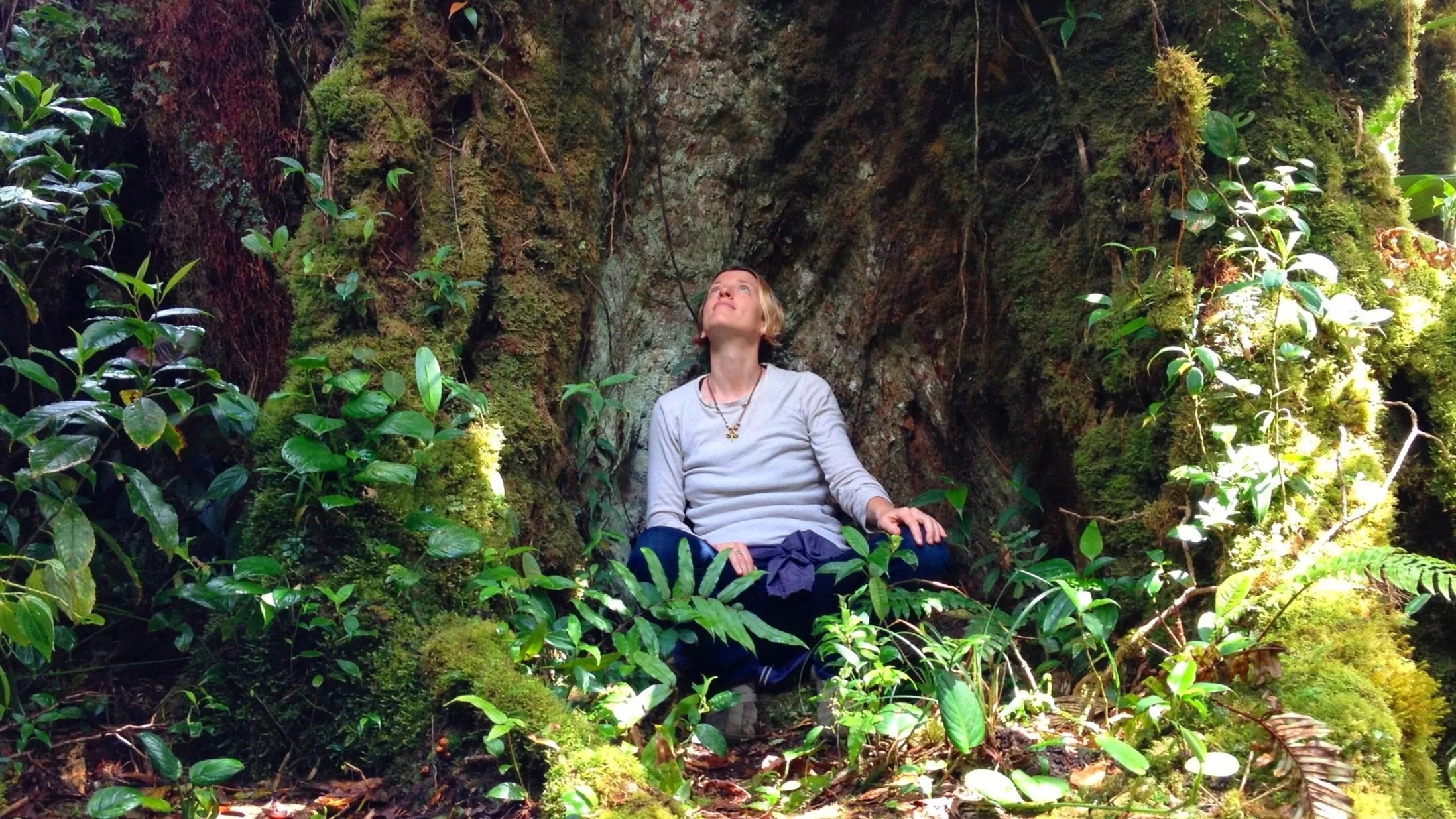
Rituals in Nature
Temple of Gaia ~ Ceremonial Practices
Ceremonial practice within the Temple of Gaia is intended to cultivate reverence for the living Earth and help restore humanity’s interconnection with the spirit of nature and the web of all life. The Temple teaches that the natural world is not merely a physical environment but a living community animated by spirit and presence. Forests, rivers, mountains, plants, winds, and waters are understood to carry forms of intelligence and life that human beings can approach with humility and respect. Rituals are therefore not viewed as symbolic performances alone, but as acts of conscious relationship and communion with the living Earth and the spirits that dwell within nature. Through ceremony, participants pause from the patterns of daily life and return to a deeper awareness of the Earth that sustains them and the living presence that moves through the natural world.
The Temple of Gaia teaches that ceremonial relationship with nature has been an essential element of human culture throughout history. Across many civilizations, communities gathered to mark seasonal transitions, to give thanks for harvests, to bless seeds before planting, and to seek guidance from the natural forces and spirits upon which their survival depended. Ritual practices connected people with the rhythms of the land, the movement of the sun and moon, and the cycles of birth, growth, decay, and renewal that shape all living systems.
Many traditions have recognized that the forests, waters, winds, and plants carried forms of spirit or consciousness that could be approached through reverence and attentive listening. In modern societies, many of these traditions have faded or been replaced by cultural systems that often overlook humanity’s dependence on ecological balance. The ceremonial practices of the Temple of Gaia seek to revive the human instinct to gather in reverence for the natural world and to cultivate respectful relationship with the spirits and living intelligences of the Earth.
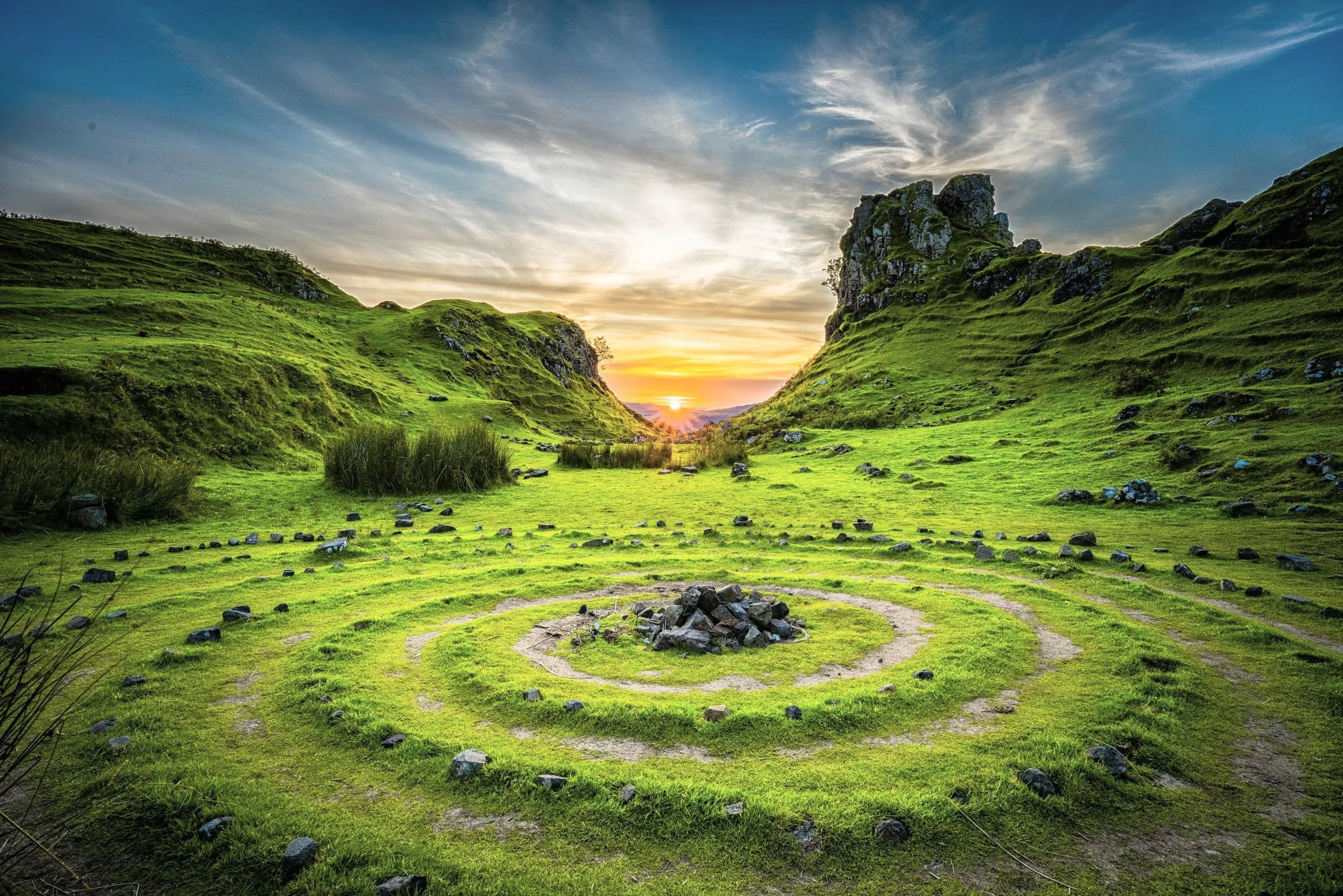
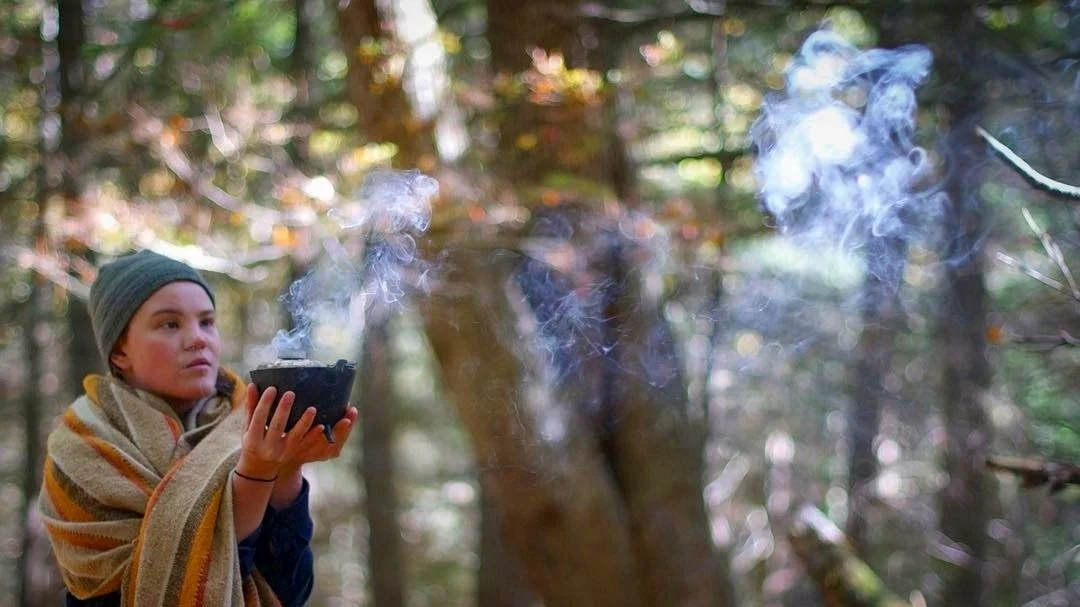
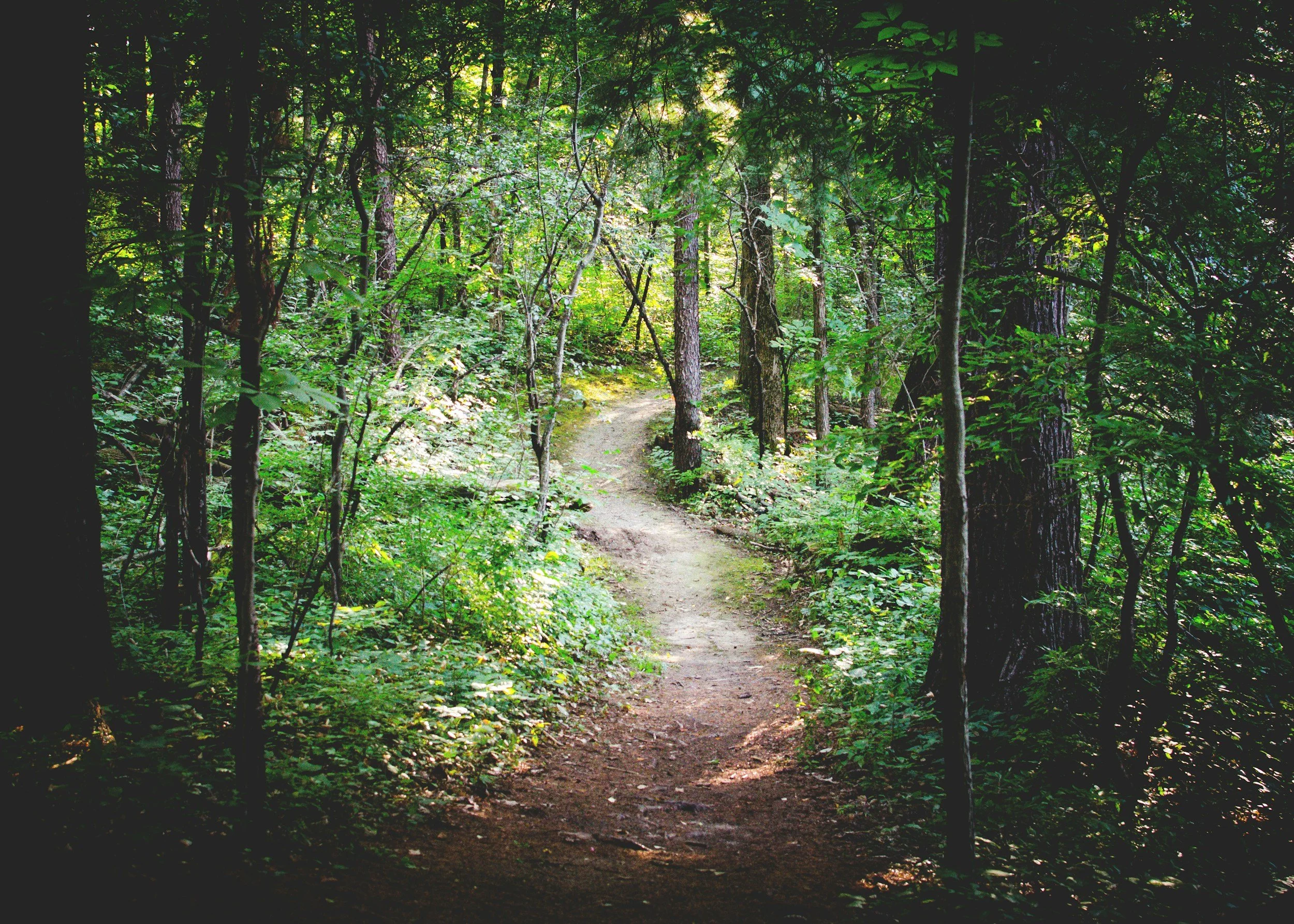
Ceremonies within the Temple may take place in a variety of environments, including forests, meadows, riversides, mountains, coastal areas, gardens, or dedicated sacred land sanctuaries. Wherever the Temple gathers, the surrounding environment becomes part of the ceremony. The land itself is recognized as a sacred presence and participant in the ritual. The sounds of the trees, the voices of birds and insects, the movement of water, and the soil beneath the feet of participants are understood as living expressions of the Earth’s spirit and are welcomed as elements of the ritual itself.
Each ceremony begins with a period of quiet observation. Participants are encouraged to listen carefully to the natural environment around them and become aware of their physical presence within the landscape. This moment of stillness helps shift attention away from the distractions of modern life and toward direct awareness of the living world. Participants are invited to open their senses to the subtle presence of nature - the sounds of the wind, the scent of plants, the shifting patterns of light, and the quiet vitality of the land. Through this attentive presence, we begin to feel a deeper connection with the living beings and spirits that inhabit the landscape.
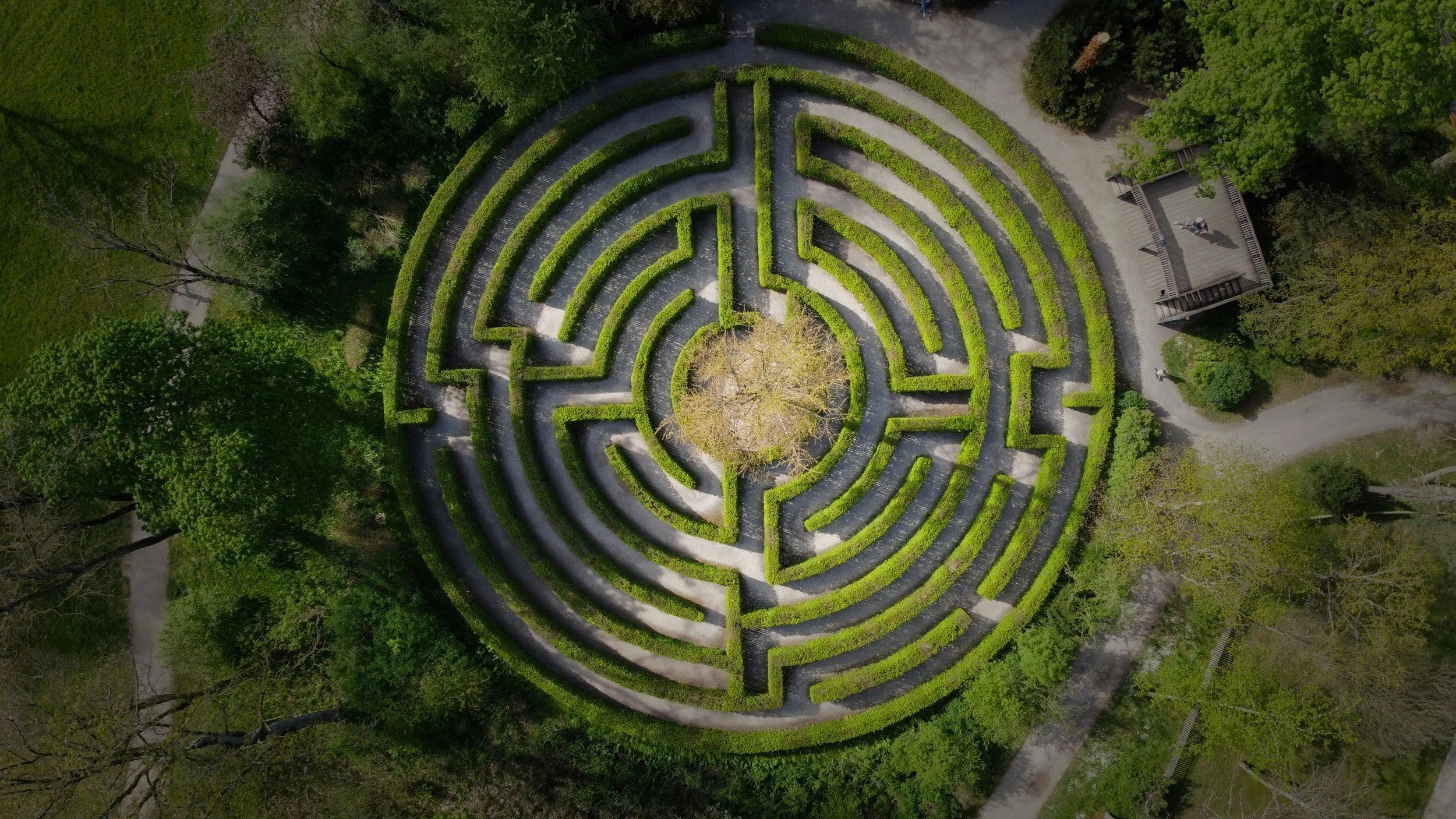
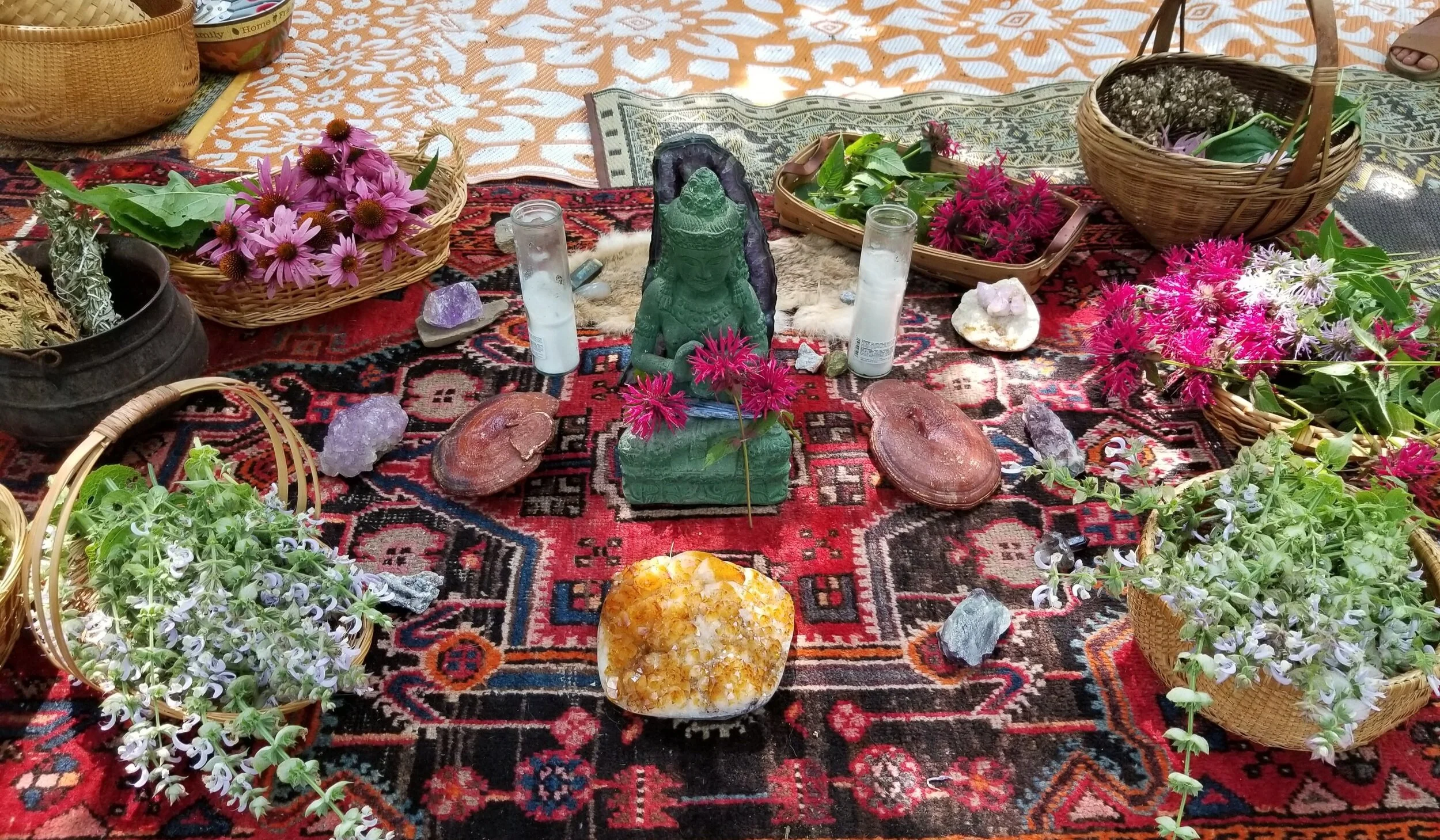
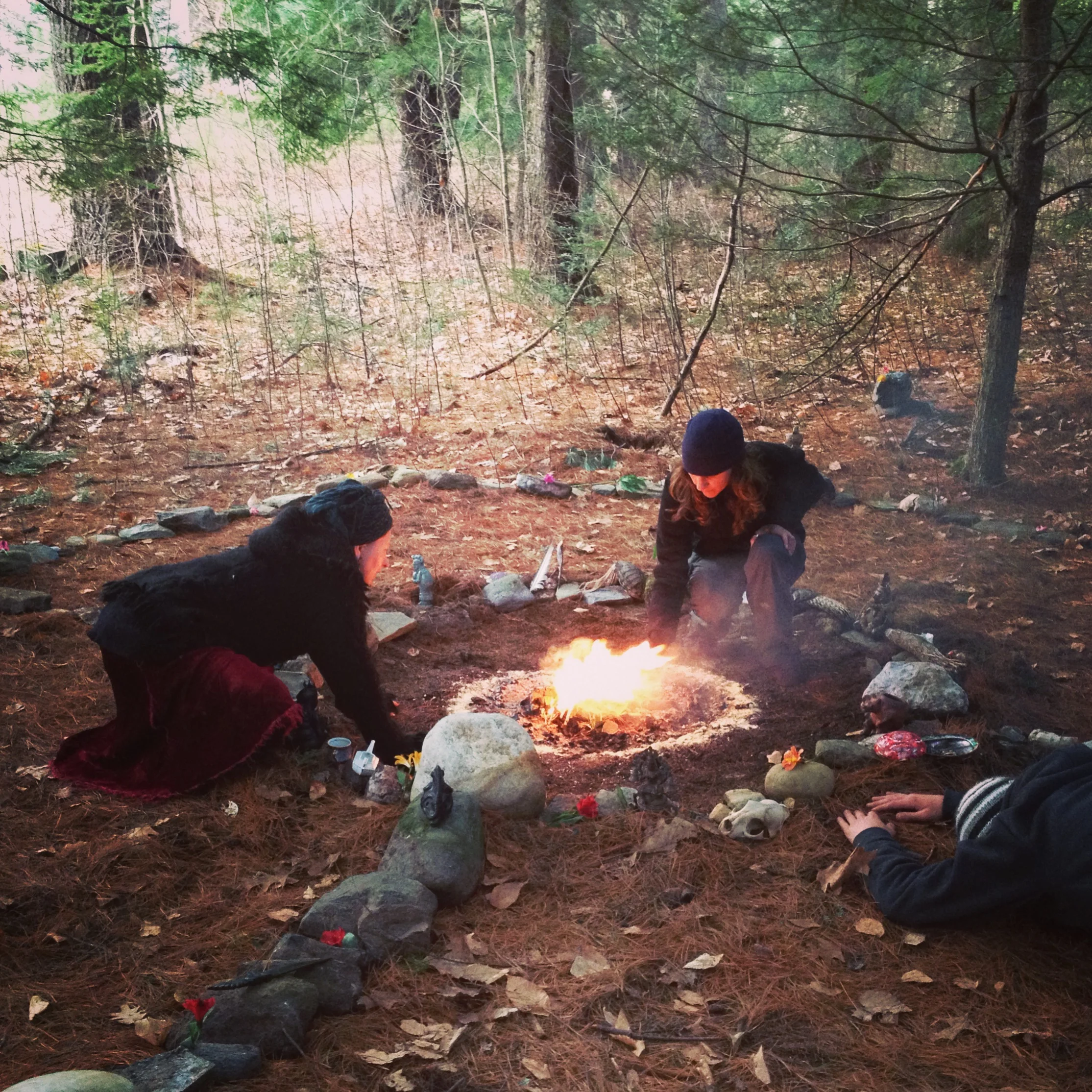
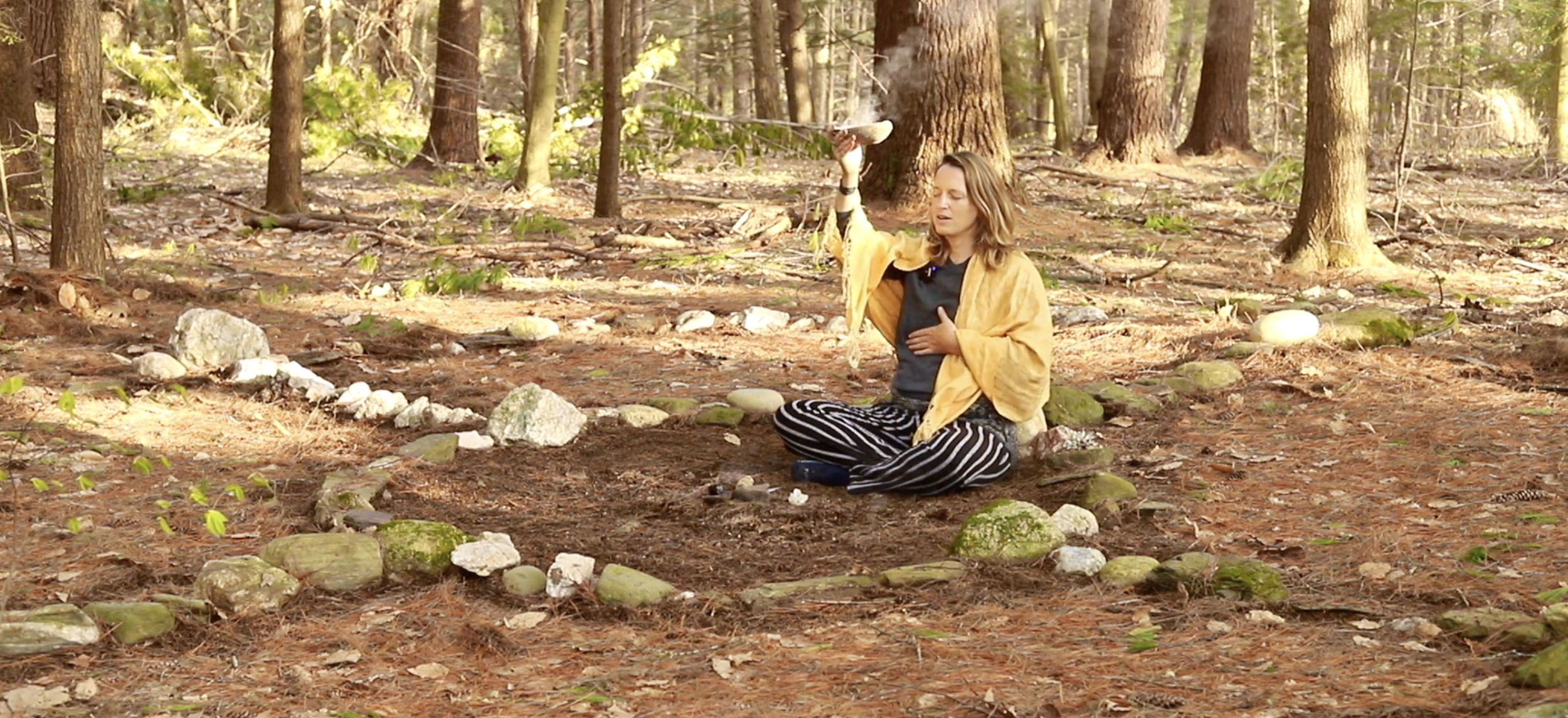
Ceremonies may include several elements, such as guided meditation, spoken invocations, shared prayers, plant blessings, offerings of gratitude, and reflections on ecological teachings. Some rituals involve symbolic elements such as water, soil, fire, seeds, or leaves to represent the elemental forces that sustain life on Earth. One common practice within Temple gatherings is the sacred circle, symbolizing the interconnected nature of life. The circle represents equality, community, and the cyclical patterns of nature. Within the circle, participants gather as members of a larger community that includes not only human beings but also the plants, animals, waters, winds, and spirits of the land.
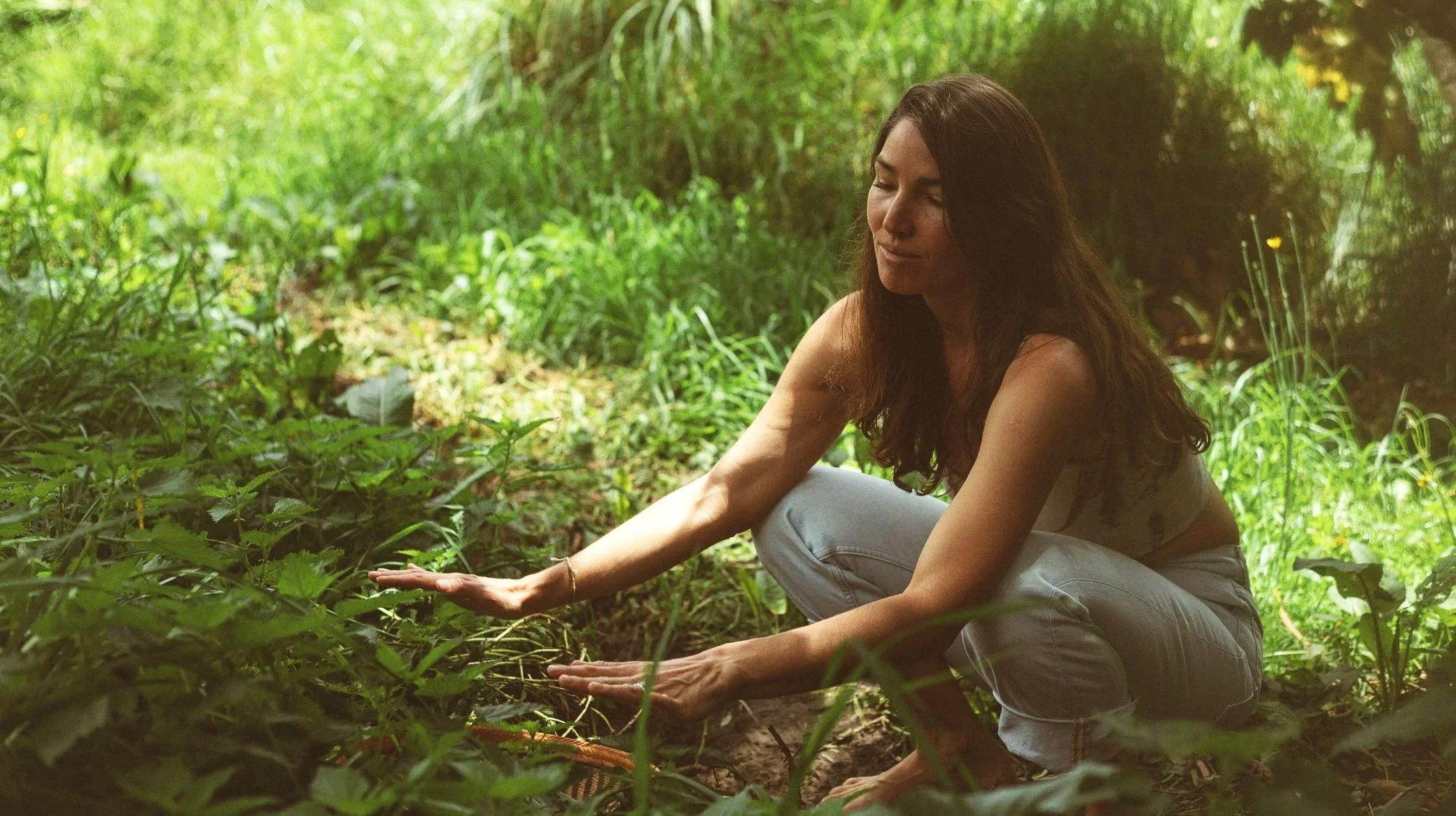
Meditation in Nature
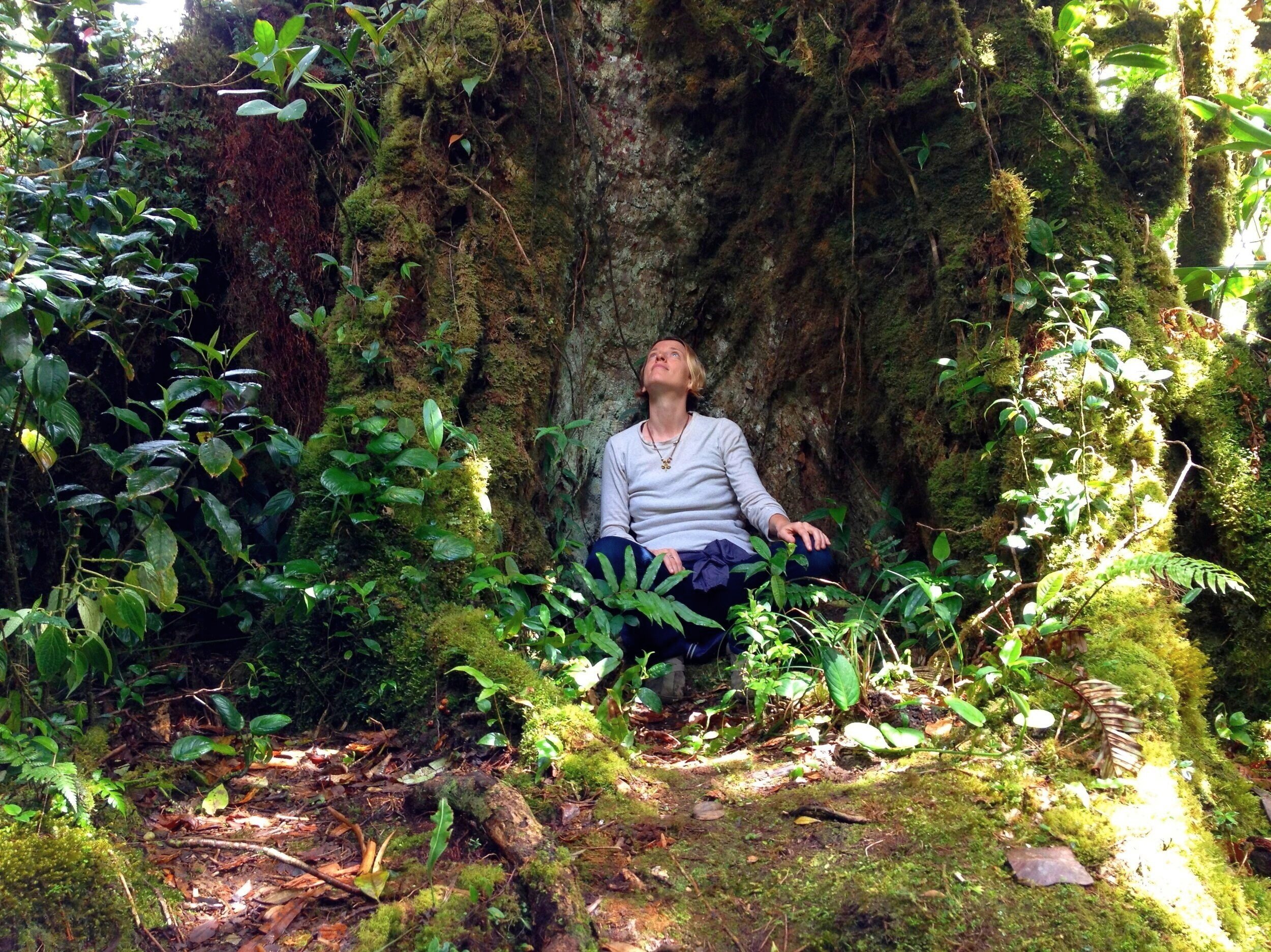
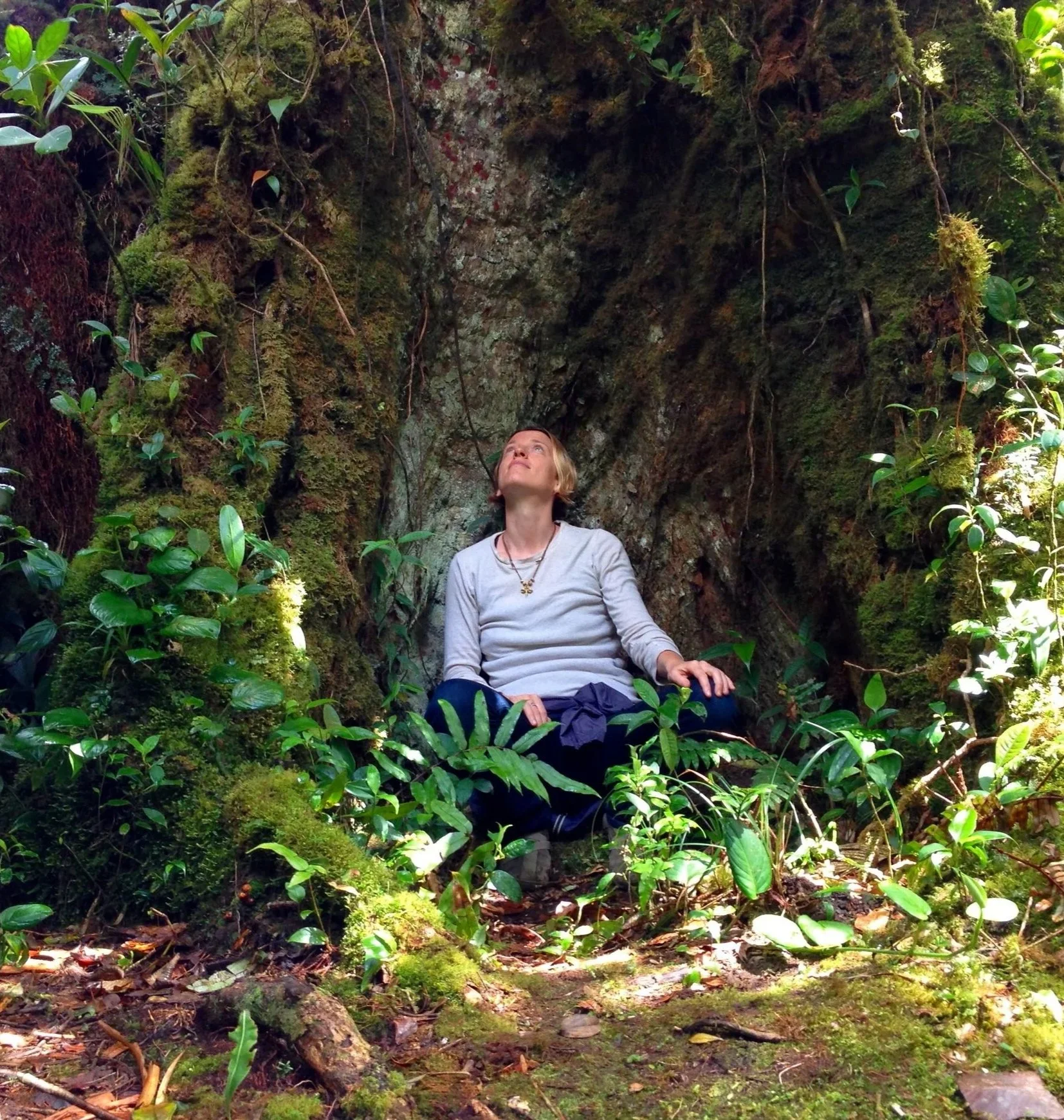
Meditation is a central practice within many Temple gatherings. Participants may sit quietly or walk slowly through the landscape while observing the details of the environment around them. Meditation involves attention to the sounds of nature, quiet relection, prayer, and . Through these practices, individuals cultivate awareness of their relationship with the natural world and the subtle presence of life within it. Over time, meditation in nature can deepen feelings of gratitude, humility, and connection with the Earth, and may allow individuals to sense the quiet wisdom carried by the living world around them.
Plant Blessing Ceremonies
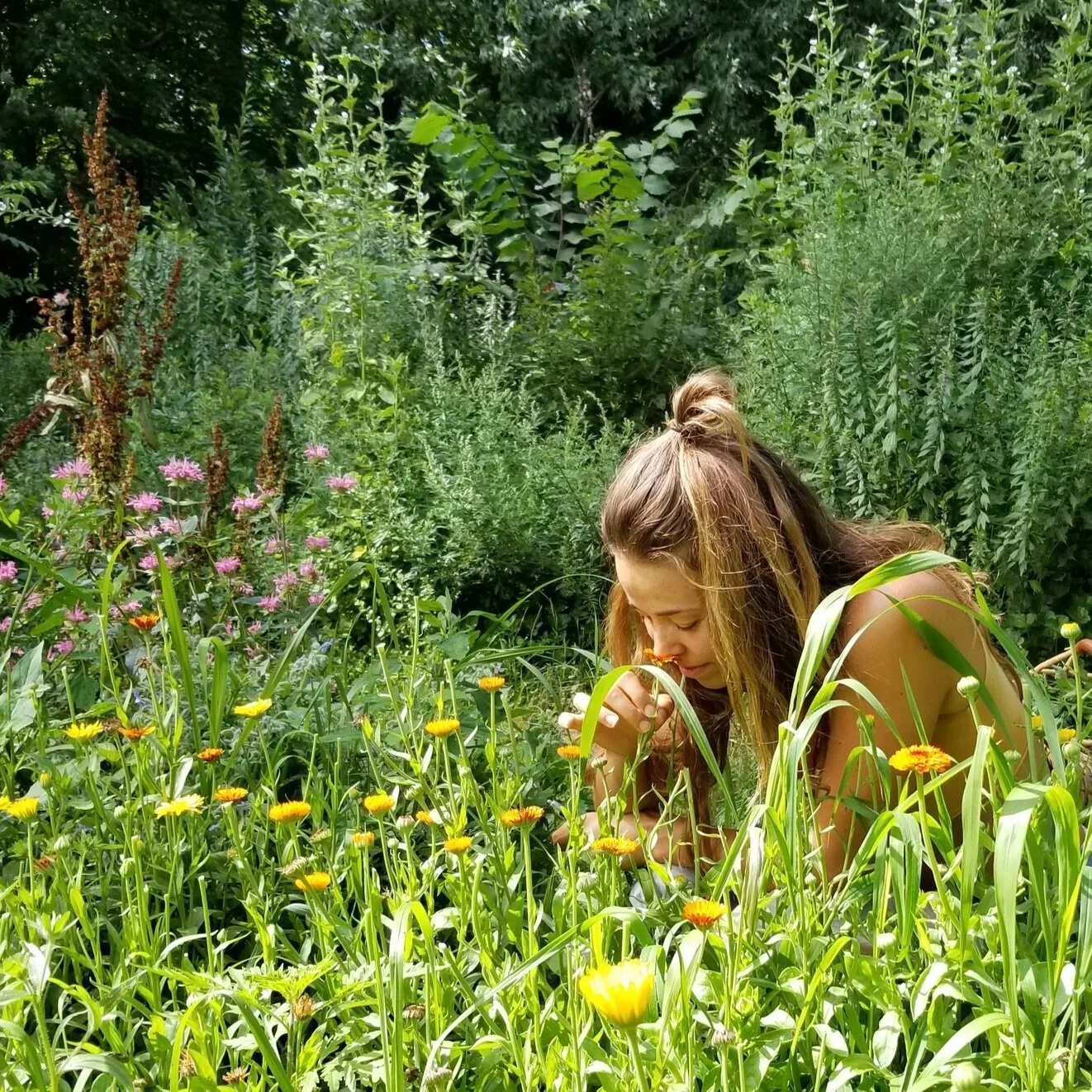
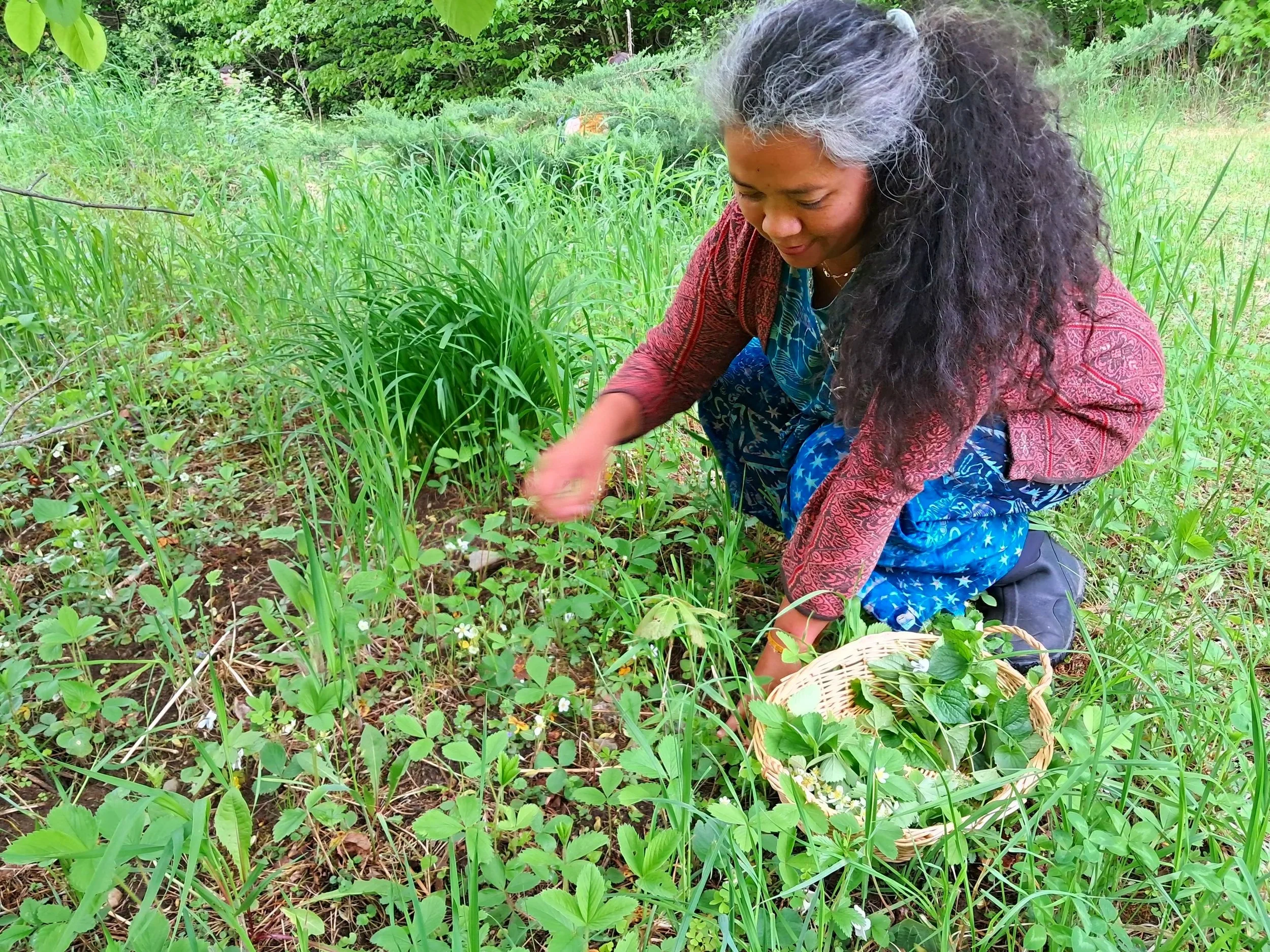
Plants hold a sacred and central role in the ceremonial life of the Temple of Gaia. Within the teachings of the Temple, plants are understood not only as sources of nourishment and medicine, but as living beings that carry their own presence, intelligence, and spirit within the greater community of the Earth. For countless generations, human cultures have turned to plants for healing, guidance, and spiritual connection with the natural world. In this tradition, plants are approached as teachers and allies whose wisdom emerges through attentive relationship, observation, and reverence for the landscapes in which they grow.
The Temple teaches that healing through plants is not solely the result of their physical properties, but also arises from the deeper relationship that develops between human beings and the living spirit of the plant itself. Through ceremony, meditation, and respectful harvesting practices, participants are encouraged to cultivate awareness of the subtle vitality present within plant life. This relationship fosters humility and gratitude while reminding participants that the medicines of the Earth are gifts that arise from the living ecosystems that sustain them.
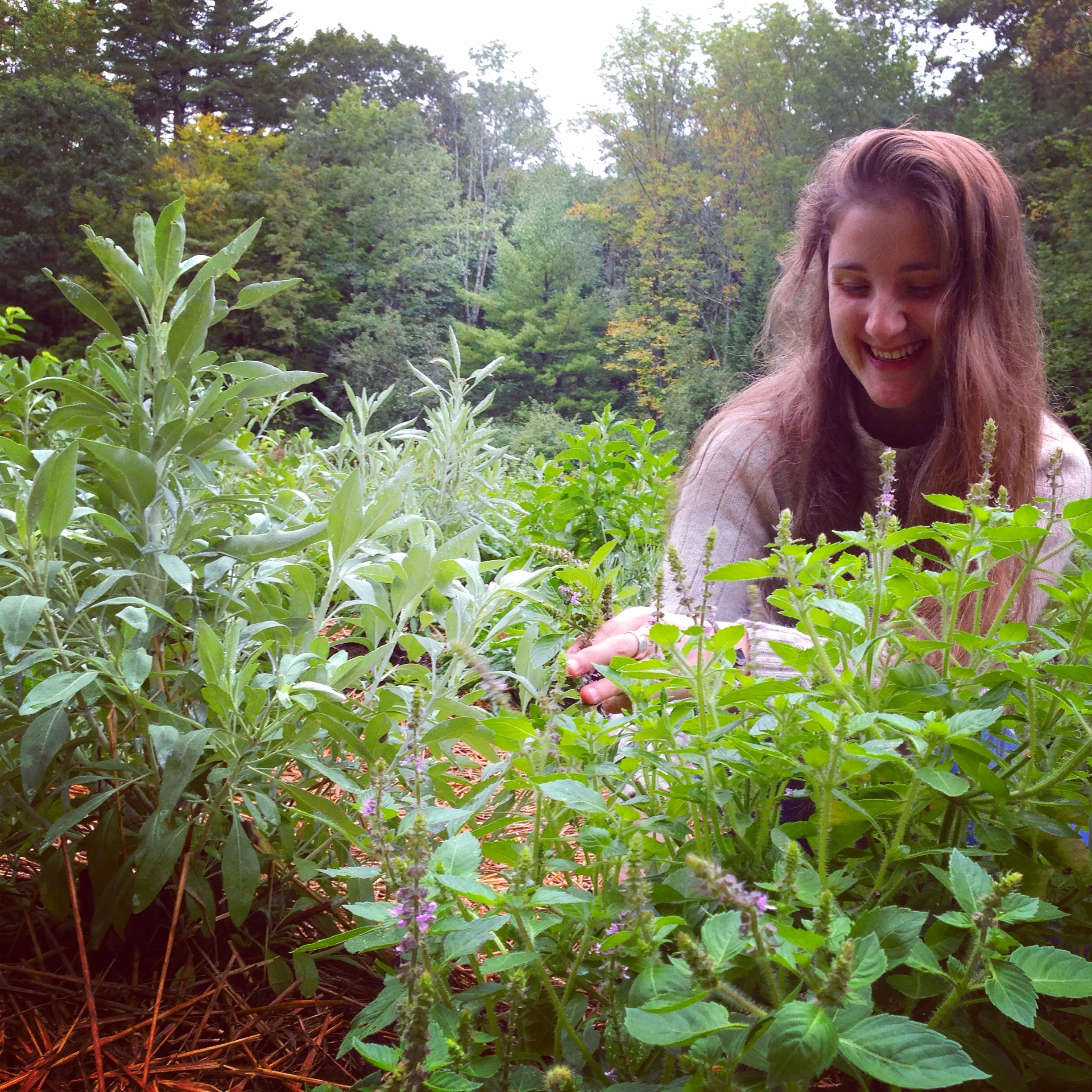
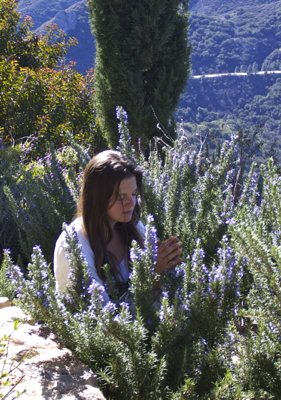
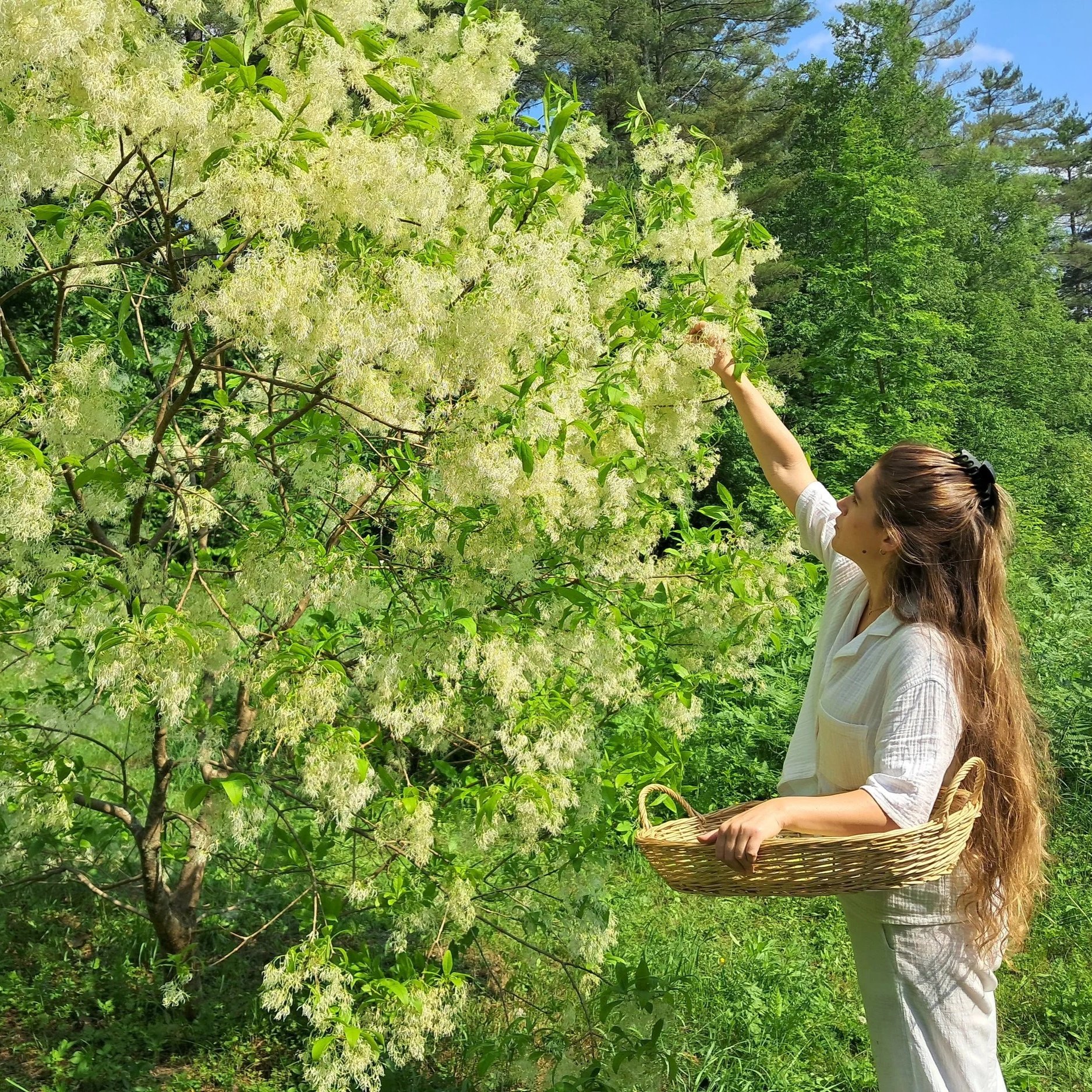
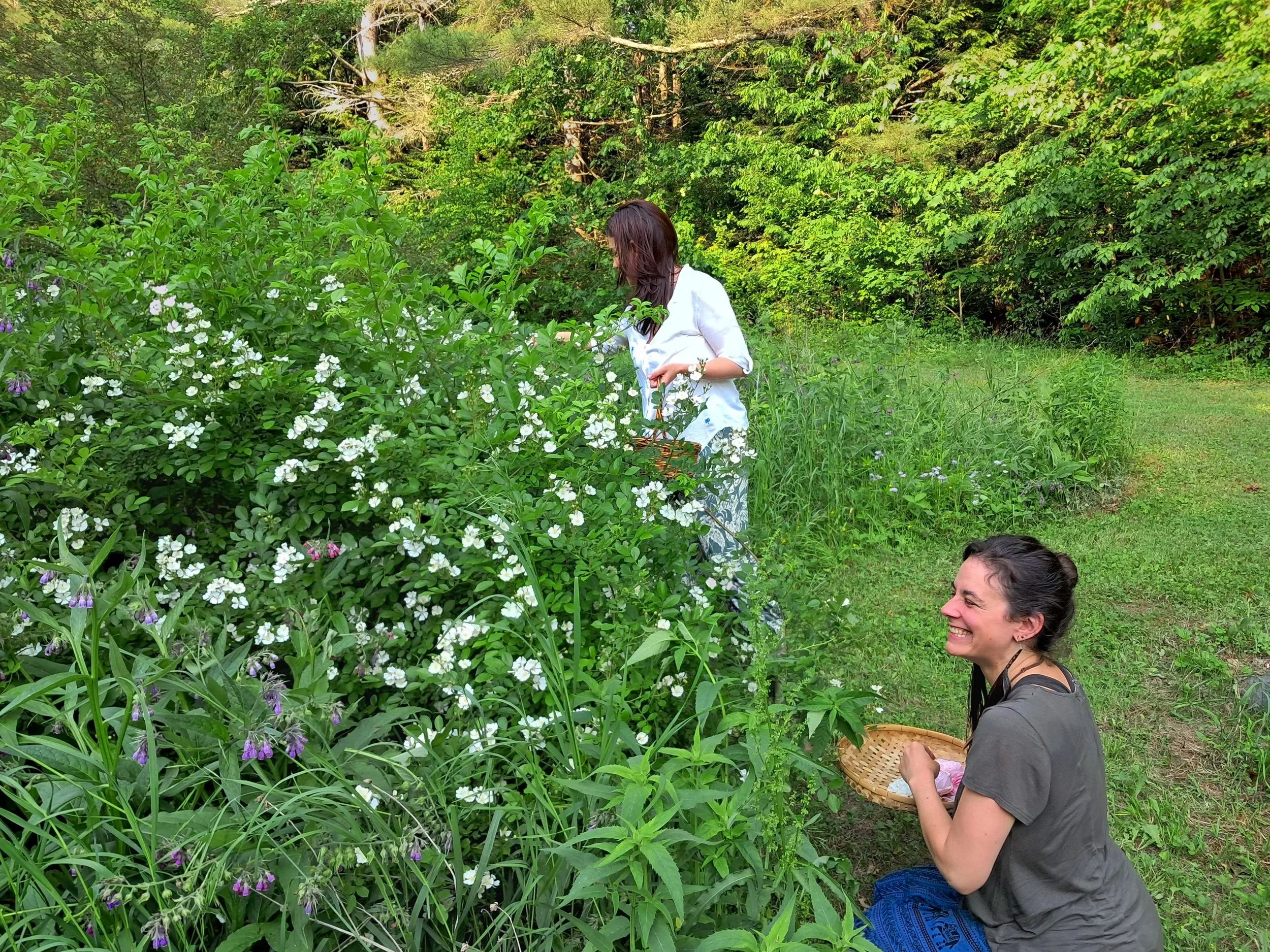
Before harvesting plants for food, tea, or medicine, a moment of acknowledgment is offered to the plant and the land from which it grows. Participants may speak words of blessing or stand quietly in gratitude, recognizing the life that is being shared and the healing that the plant offers. This pause invites individuals to approach plants not as objects to be taken, but as living partners in the process of healing.
Through these practices, the Temple of Gaia encourages a form of healing that honors both the physical and spiritual dimensions of plant medicine. By cultivating respectful relationship with plants and the spirits of the natural world, participants are guided toward a deeper understanding that human wellbeing is inseparable from the health and vitality of the living Earth. In this way, plant ceremonies become acts of gratitude, reciprocity, and renewal within the sacred relationship between people and the plants that sustain life.
Ceremonies of Collective Healing
Some Temple gatherings focus specifically on collective healing for the Earth and for human communities. During these ceremonies, participants may stand or sit in a circle and speak intentions for healing ecosystems, communities affected by environmental destruction, or regions experiencing conflict or suffering. Participants may place symbolic offerings such as leaves, flowers, seeds, or stones into the center of the circle as gestures of prayer and gratitude.
These ceremonies invite participants to recognize that spiritual practice can inspire compassionate action in the world. By gathering in reverence for the Earth and acknowledging the spirits and living systems that sustain life, participants renew their commitment to care for the land and for one another.
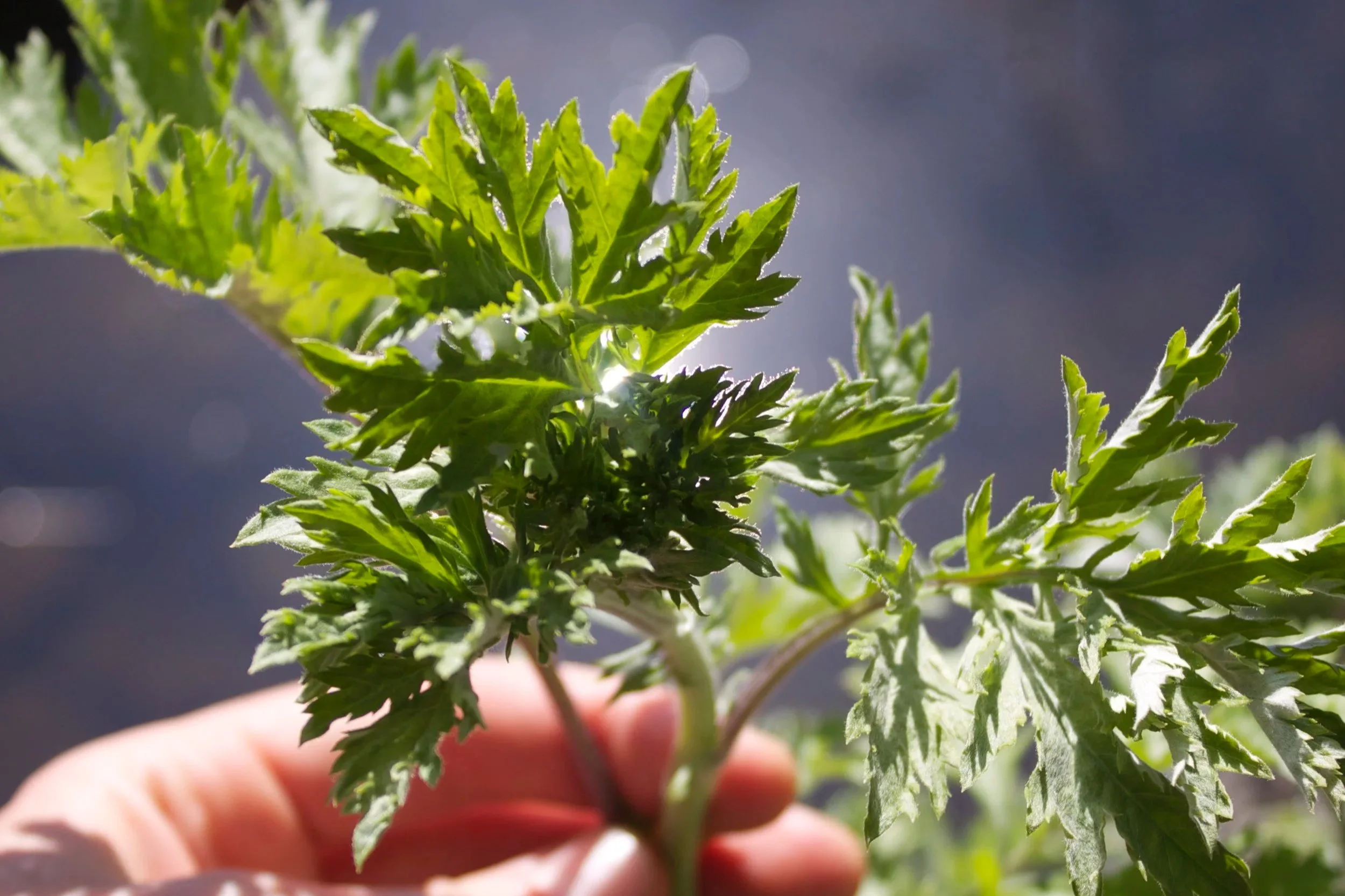
Nature Spirits & Plant Intelligence
Within the teachings of the Temple of Gaia, the Earth is understood as a living and dynamic system composed of countless relationships among plants, animals, waters, soils, winds, and human beings. These relationships form a vast community of life in which each being participates in sustaining the balance of the whole. The Temple teaches that this living world is not merely a collection of biological processes but a realm animated by presence, vitality, and spirit.
Across many cultures throughout history, human societies have recognized that the natural world contains forms of consciousness or spirit that express themselves through the landscapes of the Earth. Forests, rivers, mountains, and oceans have often been regarded as dwelling places of powerful living forces. Plants and animals have been approached as beings possessing their own intelligence and role within the greater order of life. The Temple of Gaia acknowledges this long-standing human recognition that nature is alive with presence.
Within this spiritual perspective, the term nature spirits refers to the subtle forms of life and intelligence that animate natural environments. These may be understood as the living essence and intelligence in forests, waters, winds, and landscapes, or as the unseen dimensions of life that sustain ecological balance. The Temple does not define these beings in rigid or dogmatic terms. Instead, it encourages participants to approach the natural world with humility and attentiveness, allowing their intelligence to emerge through direct experience in nature.
Plant life holds a particularly sacred role within this living community. Plants form the ecological foundation of life on Earth. Through the transformation of sunlight, plants create nourishment for ecosystems, regulate atmospheric balance, and provide the medicines that have sustained human health for countless generations. Because of this central role, plants are recognized within the Temple as profound teachers of ecological wisdom.
The Temple teaches that plants embody forms of intelligence expressed through their growth patterns, chemical relationships, and interactions with other living beings. Scientific research has increasingly revealed the complexity of plant communication and ecological cooperation. Plants exchange chemical signals with neighboring plants, form symbiotic relationships with soil organisms, and participate in intricate ecological networks that sustain forests and landscapes. These discoveries affirm what many traditional cultures have long understood: that plants participate in a living web of communication and awareness.
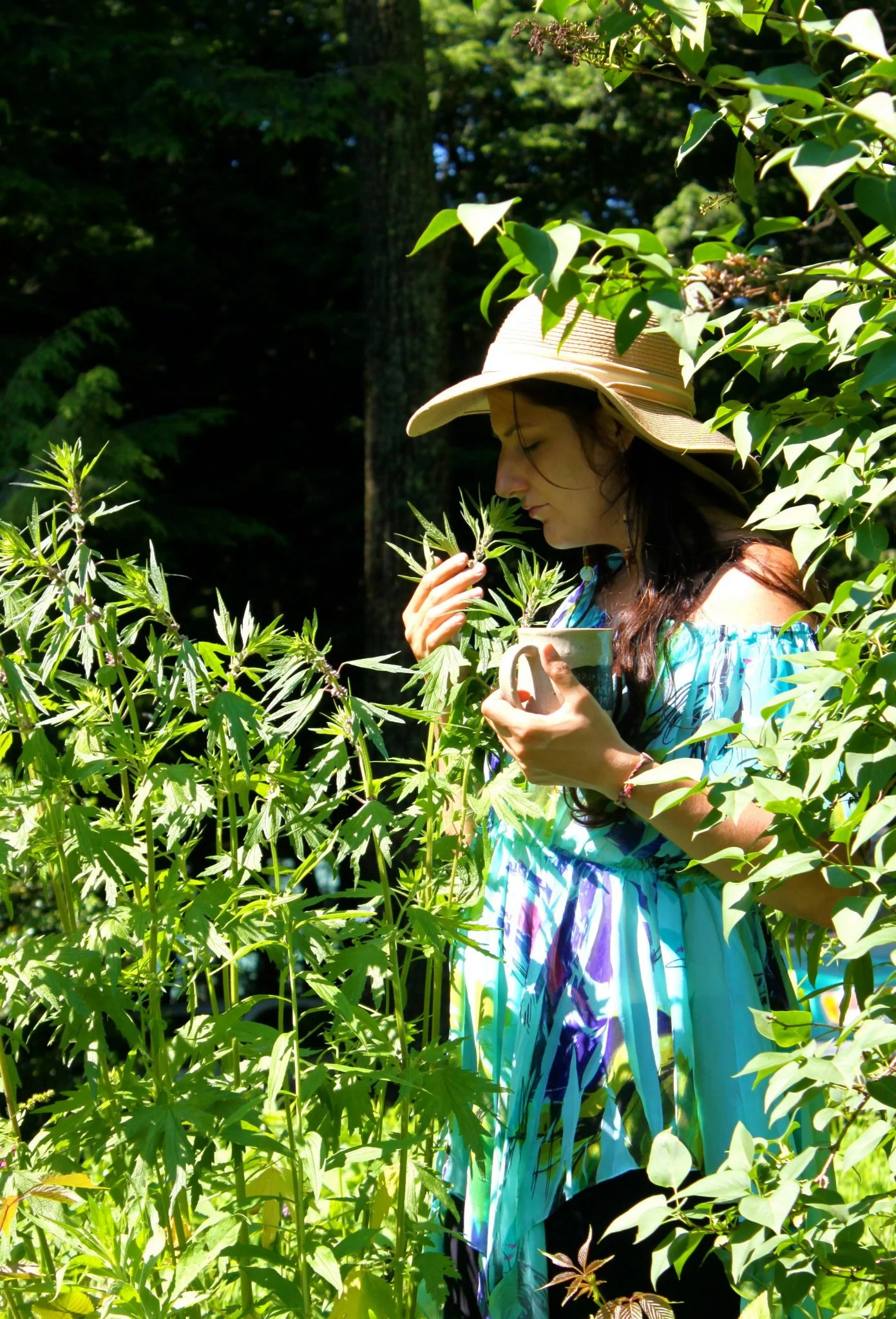
Within Temple practice, the phrase plant spirit refers to the living presence and intelligence in plants, which may be encountered through attentive relationship with plants. Participants are encouraged to cultivate respectful awareness of plants through observation, meditation, and ethical harvesting practices.
Spiritual practice within the Temple encourages listening to the land. Ministers and participants are guided to spend time in forests, gardens, mountains, and riversides observing the patterns of life unfolding around them. Through this attentive presence, individuals develop greater sensitivity to the subtle relationships that sustain ecosystems and deepen their connection with the Earth.
The recognition of nature spirits and plant intelligence also carries ethical responsibility. If the natural world is understood as alive with presence, then human actions must reflect respect and care for the ecosystems that sustain life. The Temple teaches that reverence for nature must be expressed not only through ceremony but through stewardship. Protecting forests, restoring damaged landscapes, cultivating medicinal plants responsibly, and reducing harm to ecosystems are understood as spiritual practices.
The teachings of the Temple of Gaia therefore emphasize that humanity is not separate from nature but part of the Earth’s living body. Human wellbeing is inseparable from the health of the land, waters, and ecosystems that support life. By cultivating respectful relationship with plants and with the spirits of nature, individuals can rediscover a sense of belonging within the greater community of life.
Through these teachings, the Temple seeks to help restore a form of spirituality that is rooted in reverence for the living Earth. In this tradition, forests are places of prayer, gardens are spaces of learning, and the natural world itself is a sacred temple where the spirits of nature are continually revealed.

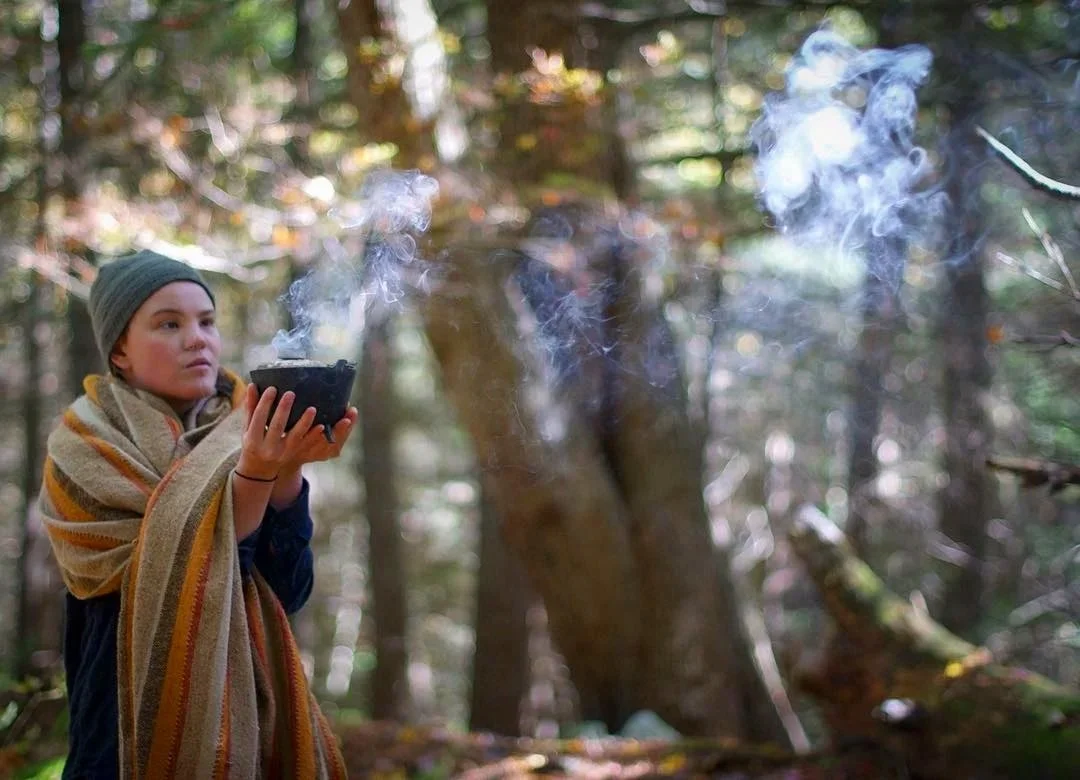
Honoring the Many Lineages
of Earth Wisdom and Healing
The Temple of Gaia recognizes that knowledge of the Earth and its healing traditions has been carried forward through countless cultures and communities across the world. For thousands of years, people have learned from the land, observing the cycles of nature and developing practices that honor the plants, waters, soils, and ecosystems that sustain life. These traditions of Earth wisdom have been preserved by healers, herbalists, farmers, midwives, spiritual leaders, and elders who maintained deep relationships with their local landscapes. The Temple acknowledges that no single culture or lineage holds exclusive guardianship over the wisdom of the Earth. Rather, the knowledge of living in relationship with the natural world has emerged in many forms across diverse human communities.
Within the Temple of Gaia, participants are encouraged to approach these traditions with humility, gratitude, and respect. Community members often come from many cultural backgrounds and may carry their own ancestral practices, spiritual traditions, and forms of healing knowledge. The Temple welcomes this diversity as a source of richness and learning. By gathering together, individuals have the opportunity to share insights from their own traditions while honoring the distinct histories and cultural contexts from which those practices arise.
At the same time, the Temple teaches that all engagement with Earth-based traditions must be guided by ethical awareness and cultural respect. Participants are encouraged to acknowledge the origins of teachings and practices, to avoid misrepresentation of traditions that do not belong to them, and to approach the knowledge of other cultures with humility rather than appropriation. The goal of the Temple is not to claim ownership of ancient traditions, but to cultivate a community where people can learn from one another while honoring the wisdom keepers who preserved these teachings across generations.
The Temple of Gaia therefore serves as a place where many lineages of Earth wisdom may be respectfully acknowledged and shared. Through dialogue, ceremony, and study of the natural world, community members can deepen their understanding of how different cultures have learned to live in relationship with the Earth. In doing so, the Temple seeks to foster a spirit of mutual respect and cooperation among traditions that all ultimately point toward the same essential truth: that humanity is part of a living Earth and that healing arises through caring relationship with the land and with one another.
Sacred Roles of Women
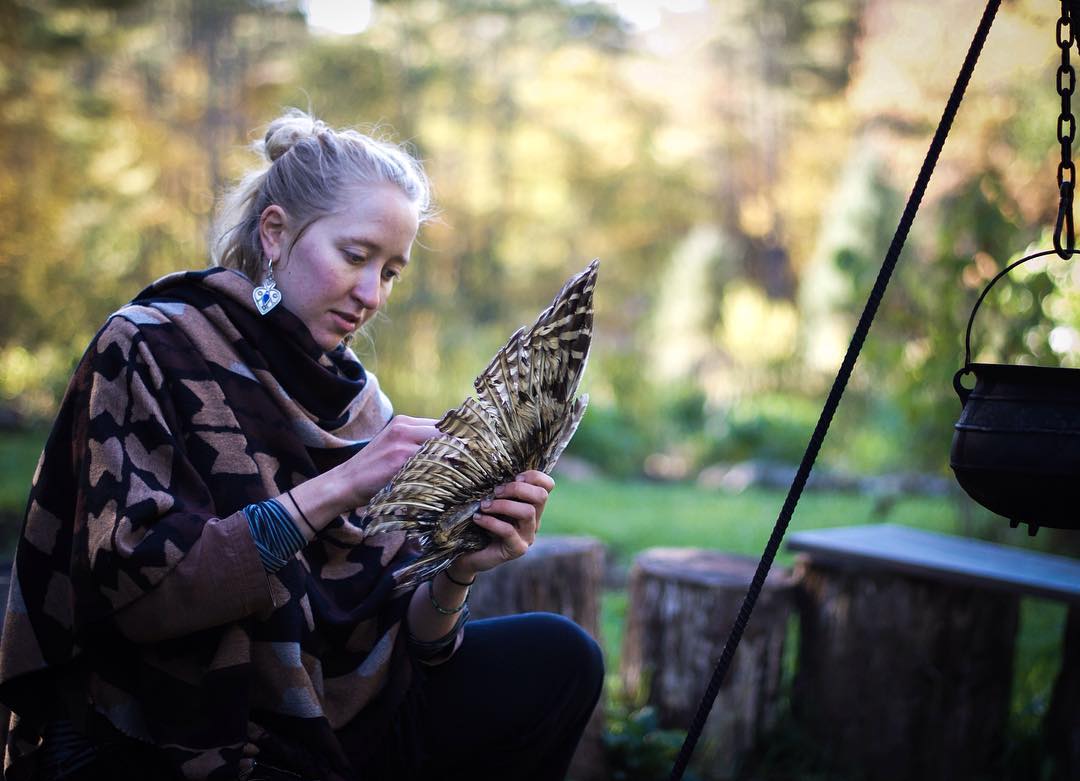
Throughout human history, women have played essential roles as spiritual leaders, healers, and keepers of sacred knowledge within their communities. In many societies around the world, women served as those who maintained close relationships with the land, the cycles of nature, and the healing powers of plants. Their spiritual roles often emerged from daily participation in the rhythms of life - growing food, gathering herbs, tending to the sick, assisting in birth, and guiding ceremonies that honored the seasons and the forces of the natural world.
In many Indigenous cultures, women have long been recognized as guardians of ecological knowledge and spiritual traditions connected to the Earth. They gathered and cultivated medicinal plants, preserved teachings about healing and balance within ecosystems, and led rituals that acknowledged the interdependence of humans, plants, animals, and the elements of the landscape. This knowledge was often transmitted through generations by storytelling, apprenticeship, and shared experience within families and communities.
Across Europe and the Mediterranean, women historically served as herbalists, midwives, folk healers, and spiritual guides who cared for the wellbeing of their communities. Their gardens and apothecaries preserved the medicinal knowledge of plants, and their practices were often intertwined with prayers, blessings, and rituals that honored the sacredness of life and the healing gifts of the Earth. These traditions reflected a deep attentiveness to the natural world and the cycles that sustain life.
In many regions of Africa, Asia, and the Americas, women have also served as ceremonial leaders, diviners, and mediators between human communities and the spiritual forces understood to inhabit the natural world. They guided rituals connected to fertility, harvest, community healing, and protection of the land. In these roles, women often carried responsibilities not only for the wellbeing of individuals but also for the spiritual balance of the wider community.
The Temple of Gaia recognizes that the spiritual roles of women include both cisgender, non-binary, and trans women who feel called to serve as guides, healers, and caretakers of Earth wisdom. Across cultures and throughout history, many societies have acknowledged diverse expressions of gender within spiritual life. Individuals whose identities moved beyond rigid gender boundaries have often been recognized as holding unique spiritual insight or serving important ceremonial roles. The Temple therefore welcomes and affirms trans women as part of the lineage of women who carry forward traditions of healing, care for the land, and spiritual leadership within the community.
By acknowledging these many lineages of women’s spiritual leadership, the Temple of Gaia honors generations of wisdom keepers who cultivated relationships with the Earth and preserved traditions that sustained their communities. These traditions remind us that spiritual leadership can arise through compassion, humility, and deep relationship with the living world. Women who serve as ministers within the Temple continue this lineage by guiding communities toward healing, ecological stewardship, and renewed reverence for the sacredness of the Earth.