
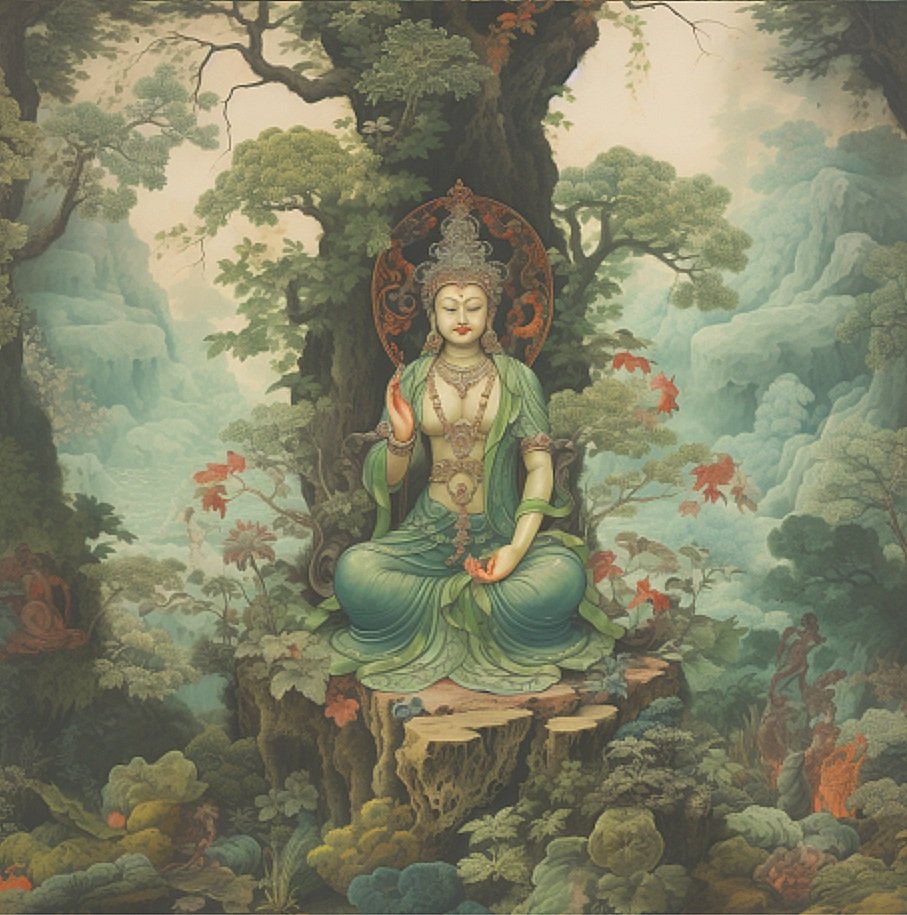
The Third Eye
& Nervous System
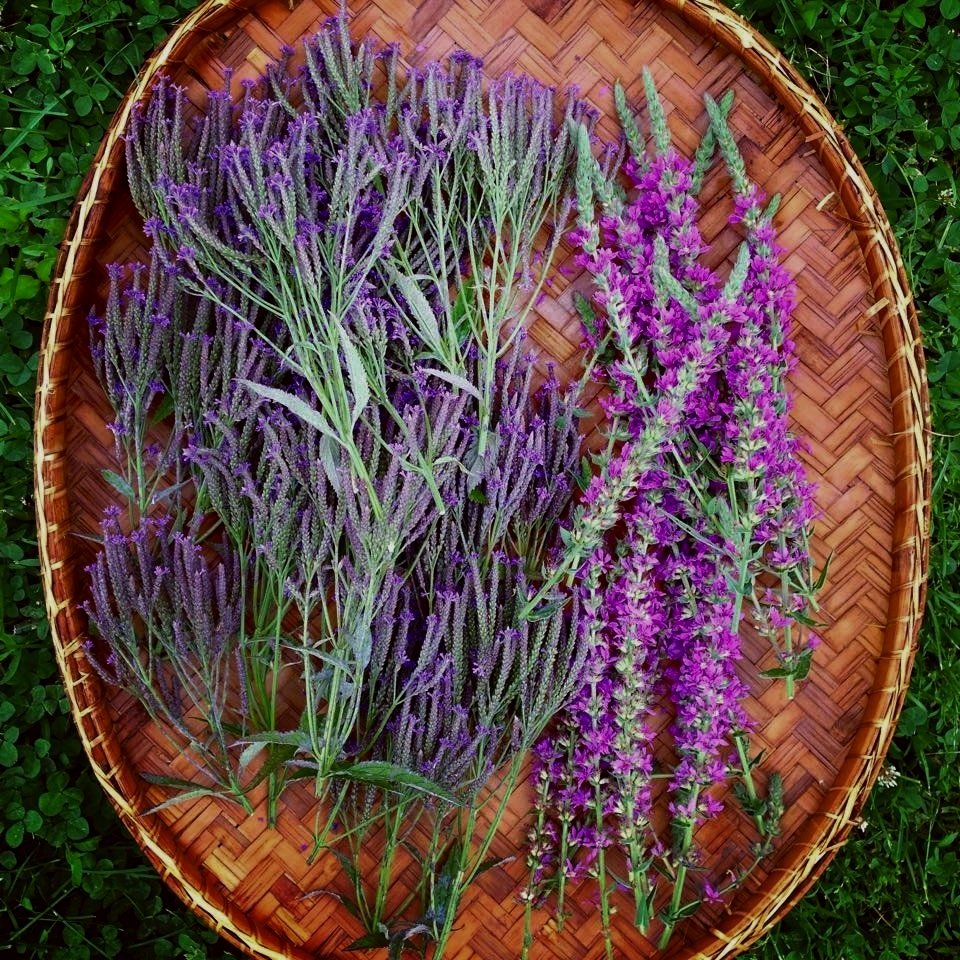
MINT
Welcome to our deep dive into the nervous system, which definitely includes some of our most beloved plants! I have spent decades working with plant medicine to support people emotionally through life’s wild ride of feelings. We all deal with trying to get through difficult times… experiencing a range of hard feelings including grief, loss, fear, exhaustion, irritability, general stress and anxiety, depression, as well as a range of brain function challenges (even if it’s later in life).
I’ve learning a lot about how plants can help us acutely when we need to get through hard times. Many of them are tonics that can transform our mental and emotional realms pretty powerfully when used over a long period of time. They can help repair and rewire the brain, balance neurotransmitters, calm intense feelings, and relieve pain. We covered this system very in depth in year one, so please use both modules to complete our look at the nervous system. For this second year, I’ll focus now on addressing specific illnesses of the nervous system more directly (in Part Two), and how to recommend herbs safely at the most effective doses.
Plants that support our nervous system are daily remedies. I build my herbalism practice on nourishing herbs and adaptogens as the base, and then nervous system support. I am often cycling through plants that support different organs of my body I can feel need tending to, but stress relief and calming nervines are a must every day. When I recommend herbs to others, nervines are a constant. We all need nervous system support… whether we choose to use herbs or other therapies that can help us. We have always used alcohol, smoking, and many drug like plants… but they often come with a host of other difficult side effects. Nervines are a safe and effective alternative to bring us the peace we need daily.
Humans and many other animals have always needed plants to support our nervous systems. I’ve been watching our cat eat the Tilo (Justicia pectoralis) and the Mimosa pudica plants until all the leaves were chewed off the stems. At the time he was dealing with the stress of a new baby, and his companion dog getting sick and passing. Bocha knew what he needed and went right for it, eating the leaves multiple times a day and going into a very relaxed state afterwards.
I think stress relief and emotional support is more than half of what’s needed every day in terms of healing therapies for humans. It takes effort and care to keep ourselves emotionally and mentally well in an unwell society. Our whole body and being needs ease and peace in a society constantly blasting our mind and nervous systems with noise and information. Pressure all the time to work hard and manage so much on our own with little help from our communities. It takes wisdom, discernment, and very strong boundaries to create peace and calm within. Plants are powerful healers for a lot of what challenges us collectively. Tending to ourselves and receiving the support we need allows us to support the communities around us better. Through connection and intimacy with plants and nature, we’ve found deeply important medicine needed for the illnesses of human society.
An important thing to note… When people are going through physical or emotional illness, it is stressful. Illness in general can cause a lot of anxiety, depression, worry, and a range of emotions. It’s not easy to experience sickness that’s more than just a cold or flu. Chronic illness always comes with a level of stress that needs supporting. Whether our illness is physical or more mental and emotional, there will be a level of anxiety and stress just from dealing with it. I also include mental and emotional suffering to be in the category of chronic illness, since dealing with emotional and mental suffering, as well as the effects of trauma (which is all to0 common) is similar to tending our physical body through a long term illness.
Sometimes we need these emotional support plants most during times of intense struggle, and when that period passes we need them less frequently. If someone is dealing with a period of immense struggle and stress they need a lot of tending to for that period of time, and then the need will naturally change once things shift. Most suffering is relieved in time, generally it is temporary and will not last forever. These plants can create real moments of relief when we need it, and our role for others can be offering the acute help someone needs.
Spend time considering what challenges of the mind and nerves you see most in your communities. What do you see people most needing? What would you like to support in those who surround you? I see a lot of overwhelm, over focus on work, busyness, stress, distraction, depression, insomnia, irritability, emotional swings, and high anxiety. Our happiness level seems to continually be going down even with so many of our basic needs met. We all have to consider what really contributes to emotional wellness, and what is causing our suffering.
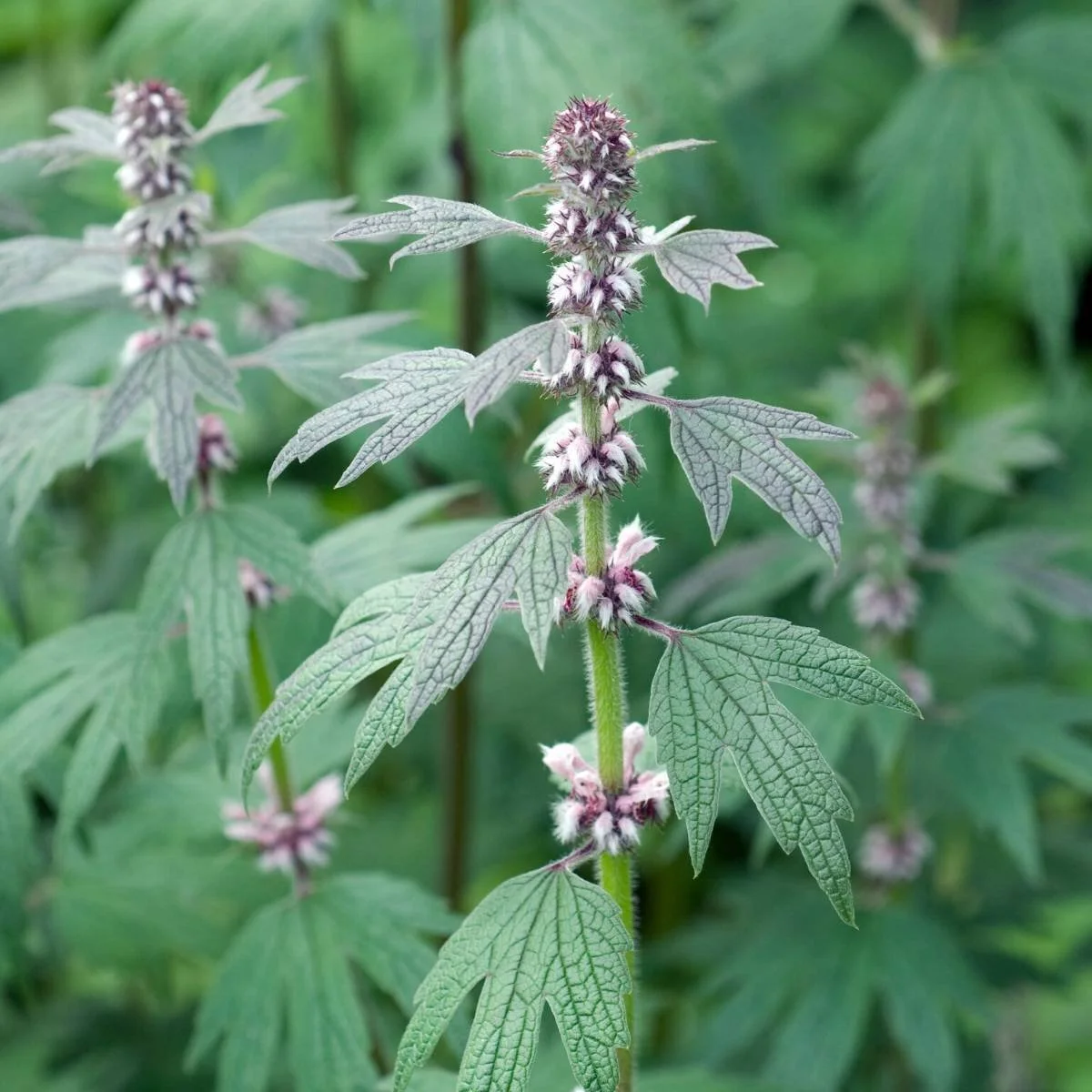
I hope this module also helps you to feel more confident recommending plants to help relieve suffering and bring mental peace. Please continue to get to know more of these amazing plants. Choose a few more plants to explore. Use them in different preparations and get a strong sense of how each feels in your body. Explore how skullcap feels as a tea, tincture, and glycerite… Feel the taste of ashwagandha infused in honey, or blended with burdock in tea. Learn how to brew a good peony root tea that isn’t too strong, and play with doses of blue vervain tincture. Feel their effects at different doses, notice what the nervines feel like at stronger doses, or teas vs. tinctures. You have to learn each plant through different preparations, concentrations, and dosing. Experimentation is the path to learning with herbalism. Start with weaker doses and work your way up feeling the difference. Make friends with the adaptogens that can regulate our stress response and help rebuild the nervous system. Remember the power of our nourishing herbs like oatstraw and nettles to stabilize the nervous and endocrine systems, strengthen our adrenals, and regulate our energy levels.
Many of our dream activating nervine plants open the 3rd eye, which allows us to experience more of our lives and the divine world around us in a deep way! Consciousness shifting plants bring us beyond our limited perceptions, opening us to the realms of nature and spirit… Many of the plants we talk about this module rewire the brain and nervous system to allow new experiences and awareness in. They increase our sensory experience and help us experience more of life.
The plant elders are wise healers, and they will be available to call on to support your community for many years to come.
May these plants help your heart and mind awaken to peace,
In peace and ease,
Sage
Video ~ Nervous System
& Third Eye Welcome
*** Media uploading shortly!
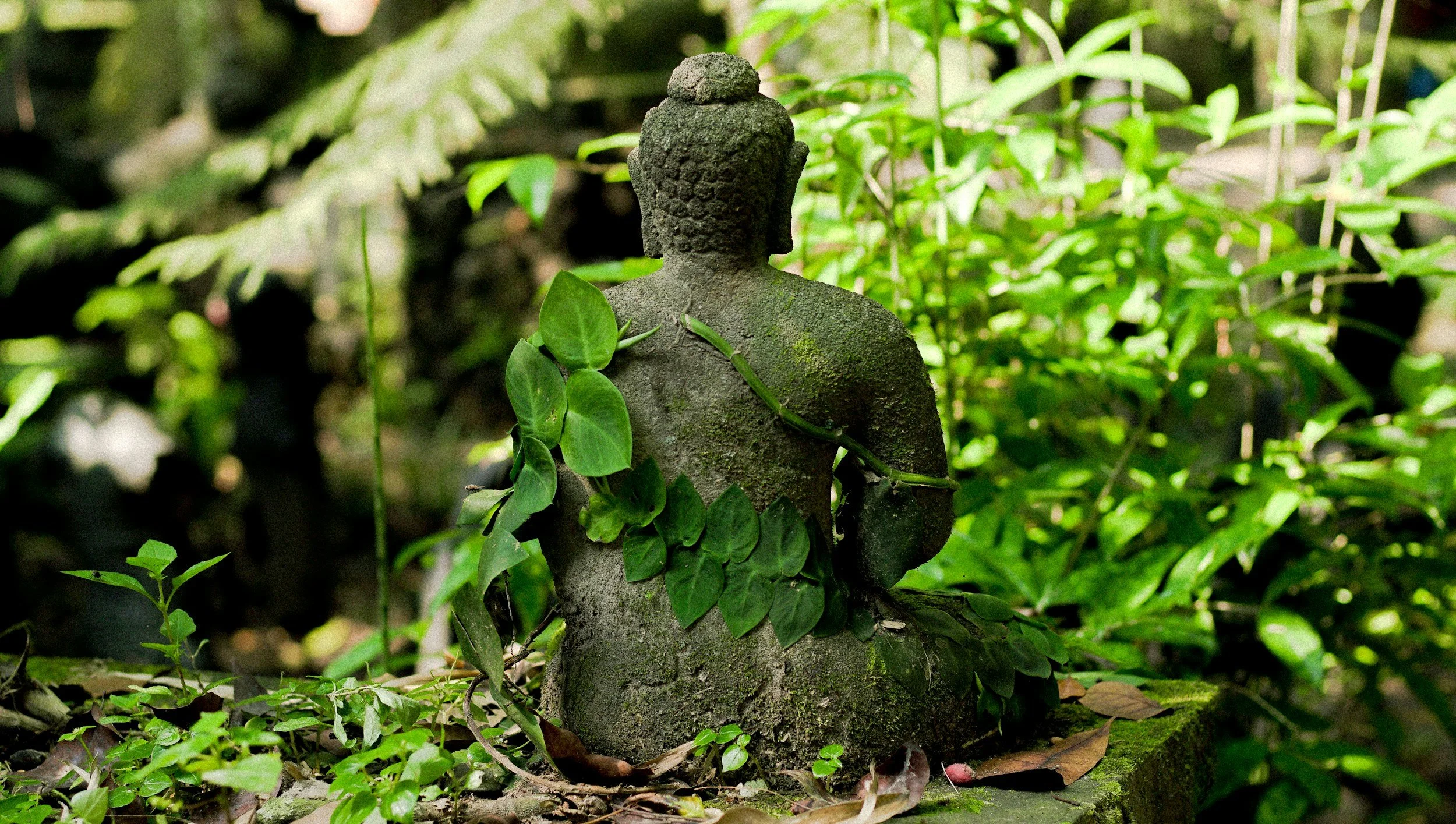
Healing in Nature
Spending time in nature is one of the most important things we need for mental health and emotional wellbeing. I don’t think it can be replaced with any other form of plant medicine. After 25 years I see there is no better therapy than spending time in nature. Relaxing in the garden with the flowers… resting against a tree, walking in the woods, sitting by a rushing river or ocean waves. Laying on the grass and watching the sky. Often the most accessible nature is right outside our houses in the yard or sitting beside potted plants or local trees. Add in a relaxing tea and we increase the benefit of course! Or bring in any other relaxation practice such as napping, journaling, reading, yoga, movement, sleep, massage or bodywork… anything that helps us to feel deeply rejuvenated and rested.
We all need to take time to relax and receive rather than be constantly giving and outputting energy to everything but ourselves. I’ve found live classes and gatherings are often the most healing simply because people get to spend time in the gardens and be outside in nature with the plants. It restores our nervous systems deeply… instead of just taking tinctures a few times a day! I’m stressing this because part of what we can do to help others the most is create relaxing and rejuvenating experiences for people in nature.

How do you bring people closer to nature…
Growing up in the city I found time in nature to be magically healing to my mind and emotions. I learned quickly that I felt so much better when I spent time sitting against a tree, in the garden, or walking in the woods. I yearned constantly for that peace and eventually moved out of the city to get the time I craved being close to nature. When I decided to teach herbalism one of my main goals was to bring people into closer connection with nature for their mental and emotional healing. My goal is to bring them to the many hands of the plants because I have received their peace for so many years myself. The spirits in nature and the plants can hold some of the deepest pains. With the most skilled hands.
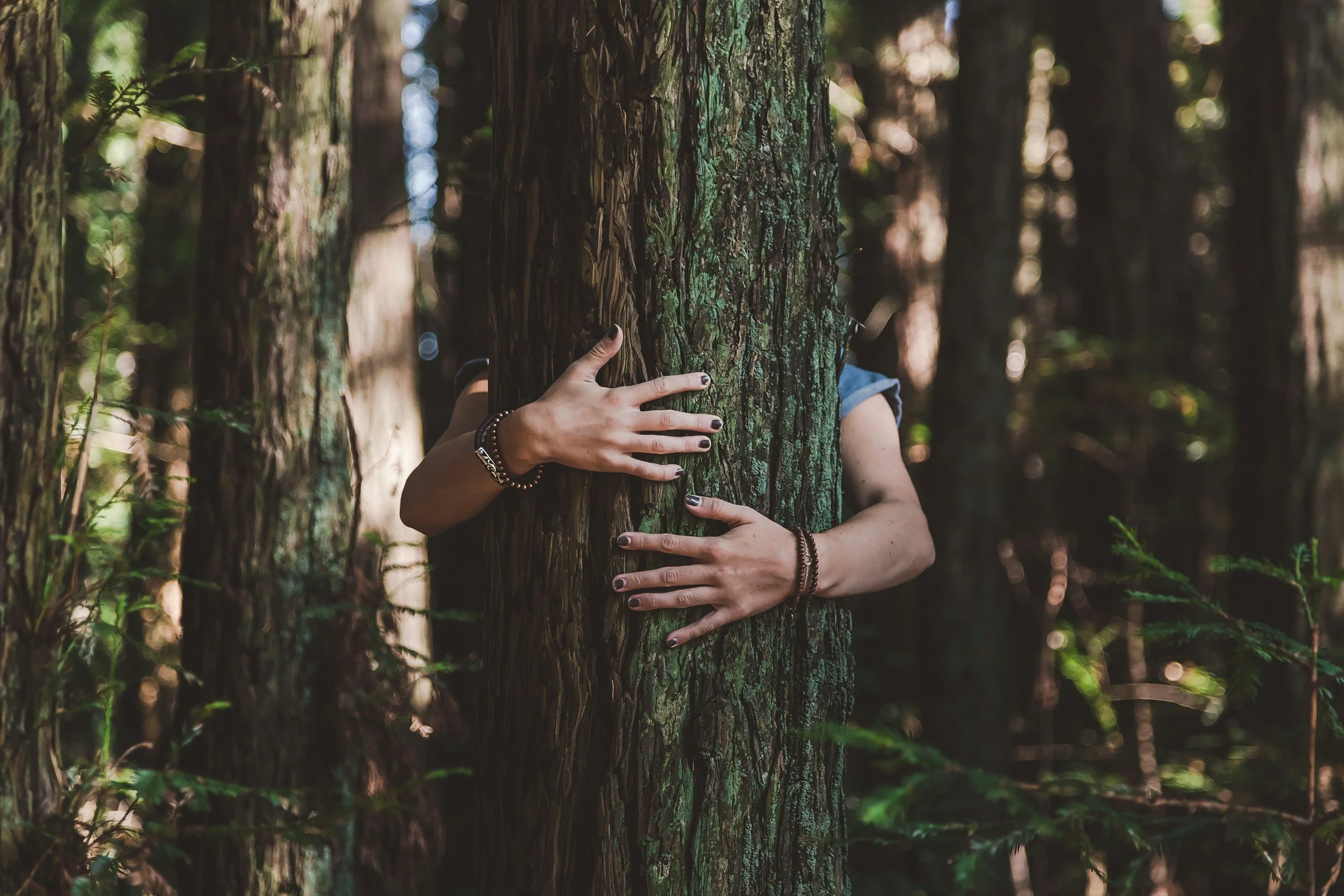
Being in nature helps regulate our nervous systems. It is deeply healing to the mind. Our bodies receive healing energy while surrounded by the vibrations of the plants, which includes our entire nervous system and brain. All cells in our body need the vibrations nature emits constantly. Think about how you feel mentally when you are smelling flowers, hugging a tree, or resting in the grass. Laying on a warm rock, or floating on a calm lake. Nature brings so much medicine to our nervous systems and returns us to calmer states of emotional ease. No matter how much time we spend surrounded by green, we are all human and collectively cut off from this source of such deep healing for us. I recommend any time you work with someone to think of yourself as a guide in reuniting them with the natural world around them.
Healing Community
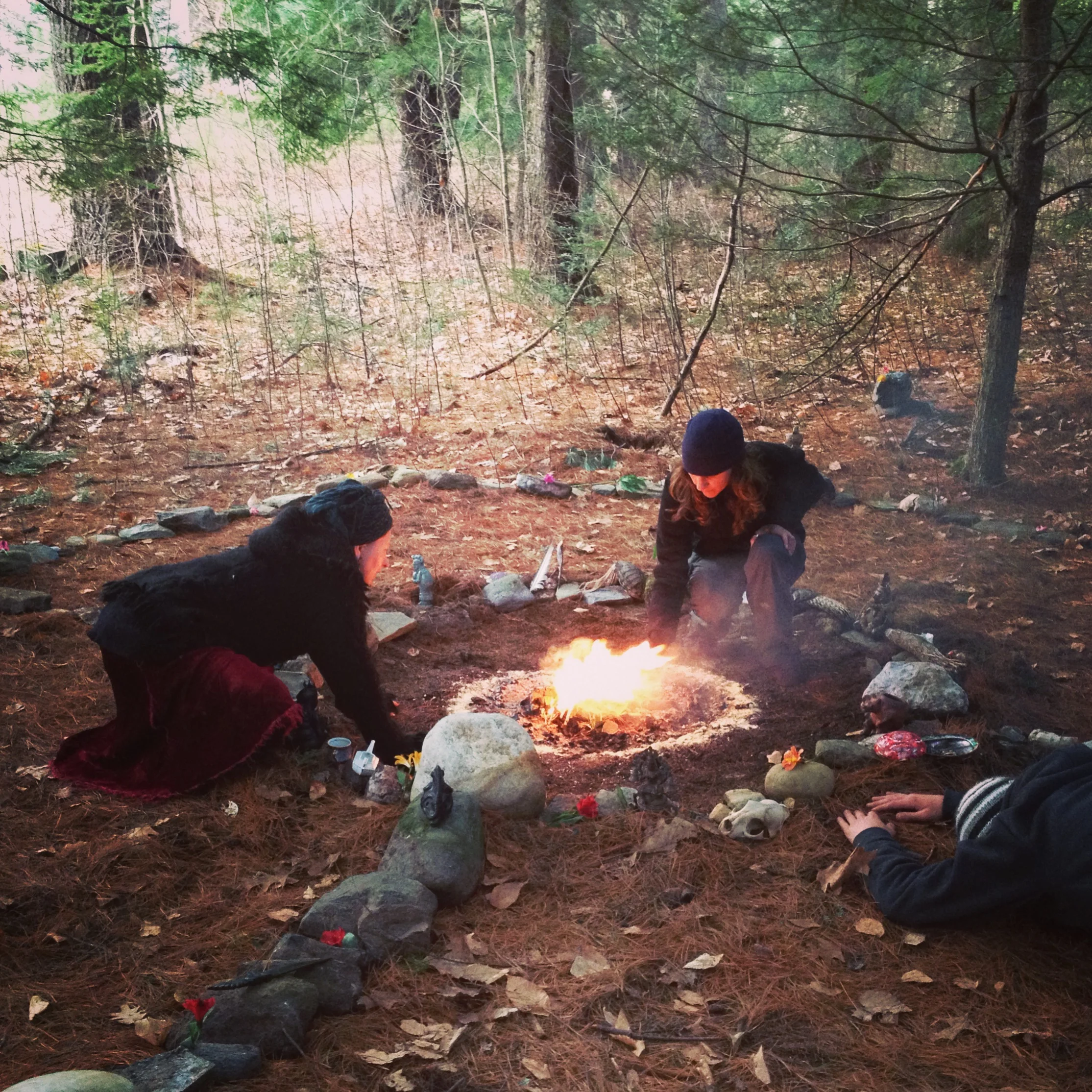
Another aspect of healing that’s important to talk about is the role community plays in our emotional and mental health. So much of our healing happens in community and connection. Solitude can be deeply healing, but time with loving community is also vital for our mental and emotional health. We can provide people with healing and relaxing time in community in a way that fulfills a lot of what is missing in our society. This can be through gardening together, harvesting, talking, cooking or medicine making together, meditating, dancing, making music, art, and ceremony… Going hiking, swimming, resting, or dreaming under the stars together.
When the body, mind, and nervous system relax with others we receive the message deep within us that we are safe and all is well. Our nervous system calms as we feel a sense of safety knowing we are taken care of by others around us. This has been deeply healing for all of us, and often places inside of us that couldn’t heal through isolation and solitude receive finally.
What kinds of community spaces are needed? What kind of spaces do you crave?
Video ~ Facilitating Healing Time in Nature

CALIFORNIA POPPY
Clearing & Releasing
Emotions
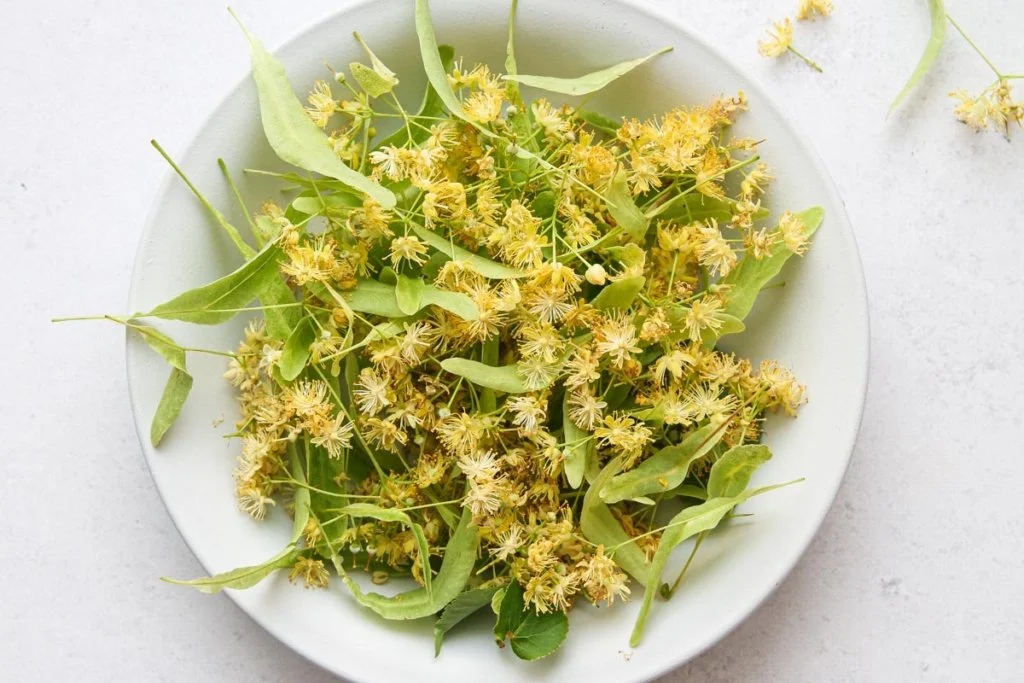
LINDEN
Many of our nervine plants can relax us enough to allow trapped tension, stress, and emotions to finally release from our body. All of us have feelings that get bottled up inside... Sadness, fears, and pain often aren’t expressed when we don’t have the space and time to let the emotions release. These trapped feelings can contribute to making us feel sick both physically and mentally. Emotions held in the body can also contribute to a host of issues related to chronic illnesses. As the emotion releases and tension melts out of us, our body doesn’t have to carry the weight of it. Sometimes it feels a little painful and sometimes it feels like such sweet release!
Releasing emotions does not have to happen through crying, yelling, talking, or emoting in the traditional sense. Emotions sometimes are released through expression, and sometimes they are let out more energetically… flowing off and from the body, exiting like a peaceful exhale as we relax. I find time in meditation, in nature, laying on the earth, being immersed in water, meditation, prayer, and journeying all help me to release emotions really well.
Certain plants can clear out bottled up emotional energy, allowing us to feel lighter and more at peace. We can invite the plants into our painful places asking for help, with a willingness to let them access where we store buried feelings. These plants move stagnant energy where it needs clearing, and allow old buried emotions to be freed and released from our bodies. I also use movement, deep breathing, relaxation, ritual, prayer, and time in nature as well to support this. You may have plants you would include in this list, so please add them!
Plants to Slowly Release Emotions ~
Pine and evergreens, rose, linden, oatstraw, peppermint, bee balm, mullein, eucalyptus, ginger, calamus, mugwort, skullcap, damiana, jasmine, violet, blue vervain, hawthorn, motherwort, sage, lavender, egyptian blue lotus, elder flower, yarrow, rosemary.
Audio ~ Supporting Emotional Release
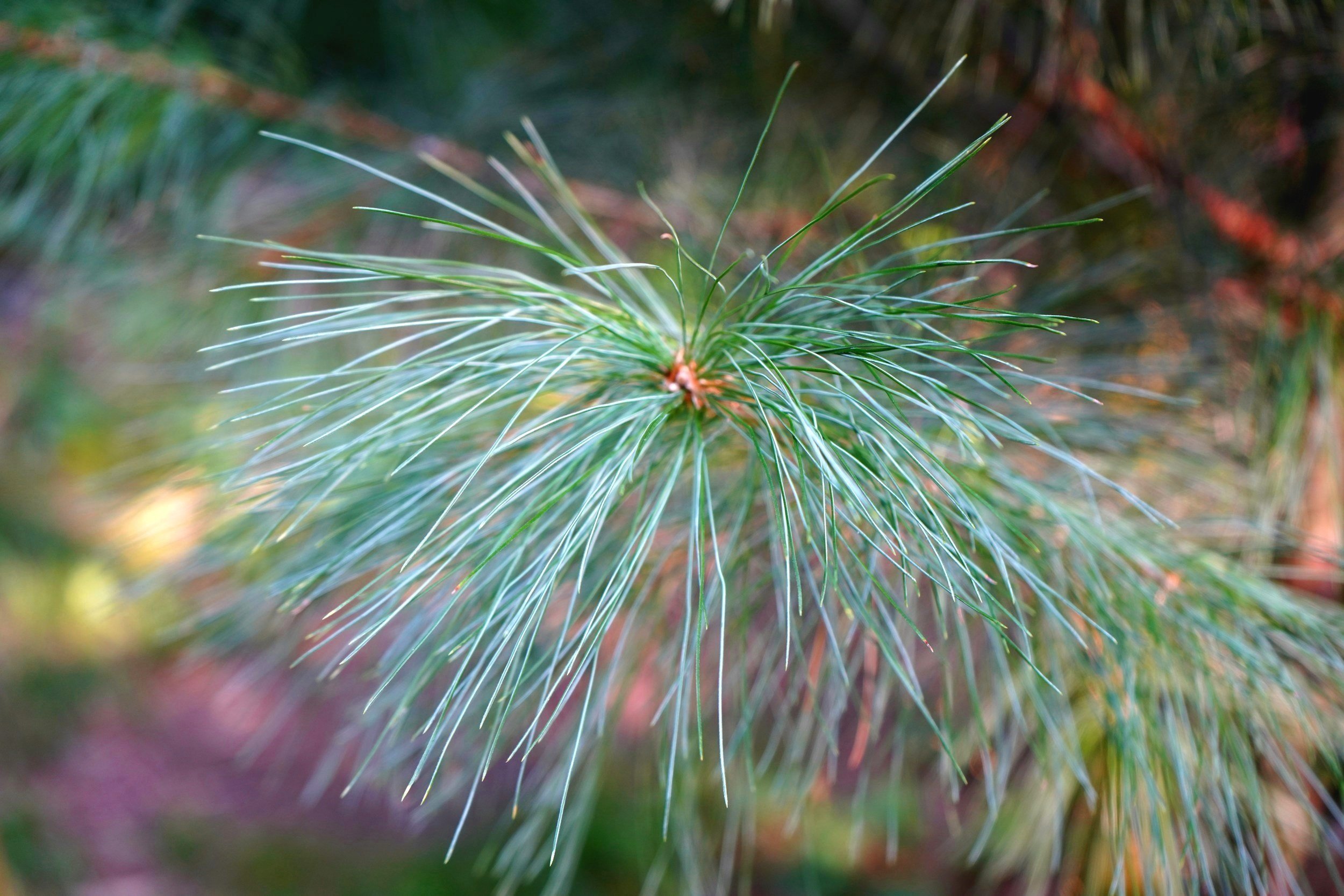
WHITE PINE
Quieting the Mind
with Plants
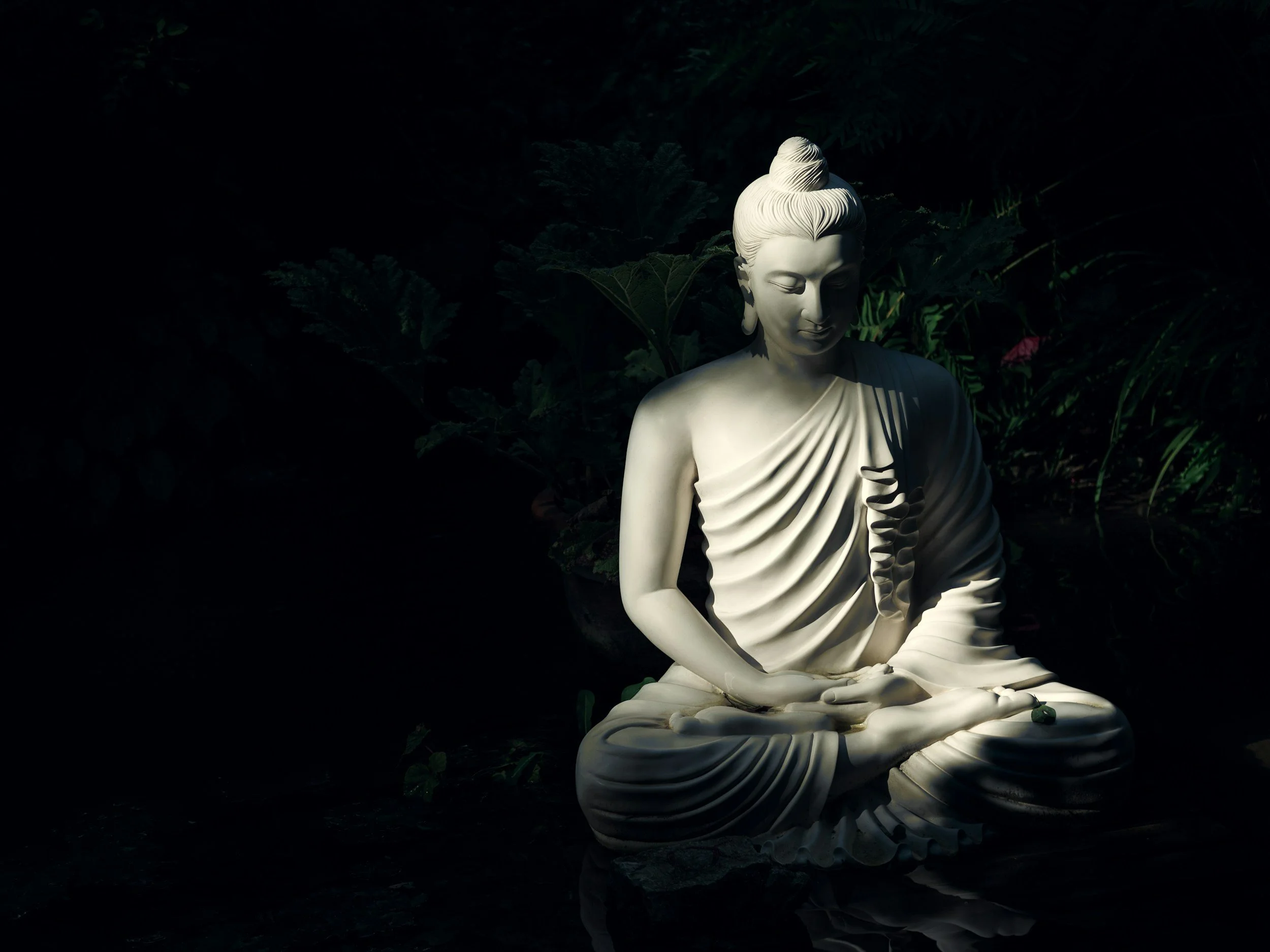
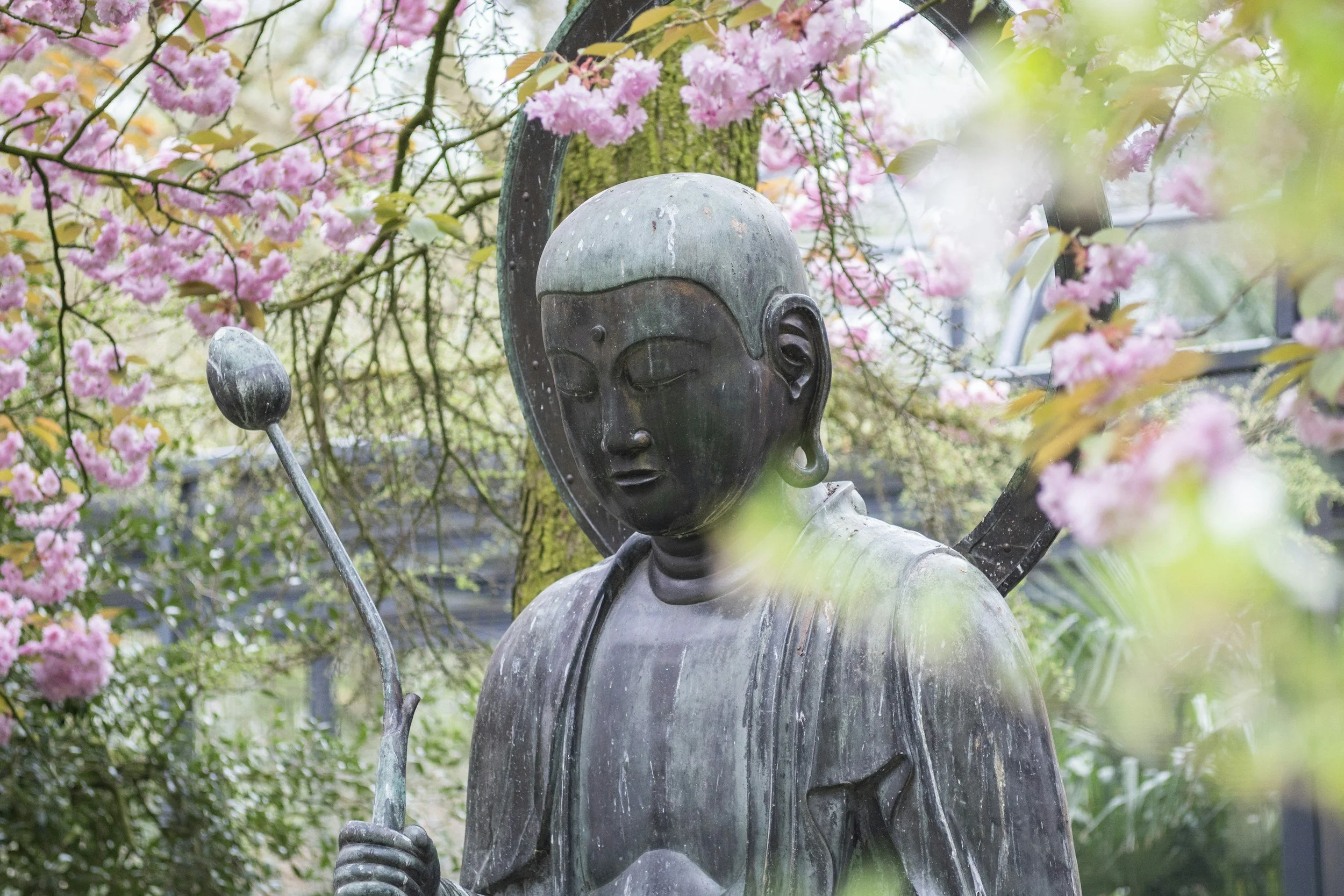
All plants have a deeply peaceful presence… they are like little bodhisattva awakened beings. Plants truly radiate the energy of peace. When we call in their spirits and consciousness it often feels like a Buddhist master has walked into the room. For almost 30 years I’ve been bringing others into the compassionate realms of plant consciousness. These awakened beings are able to help tune our brain and to the frequencies of peace, love, and gentleness. The live plants, as well as the spirits of the plants, both are powerful in helping relieve stress and suffering. We can call in their spirits with others and feel their peace wash over us. My hope is you will bring them to others who are needing them. Bringing quiet and calm to the mind and nervous system is vital for our wellbeing.
Peace is an energy with its own healing power that we can call in and make space for. It is also an energy found in abundance in nature and within the plants. We need its healing container as a resting place and relief from mental suffering. We do not have to ingest plants to receive their peaceful energy, we just need to spend time with them. When we drink relaxant plants in meditation or couple them with any relaxation practices, they can bring us extra ease. Their compounds like magick bring a deeper calm to our whole being.
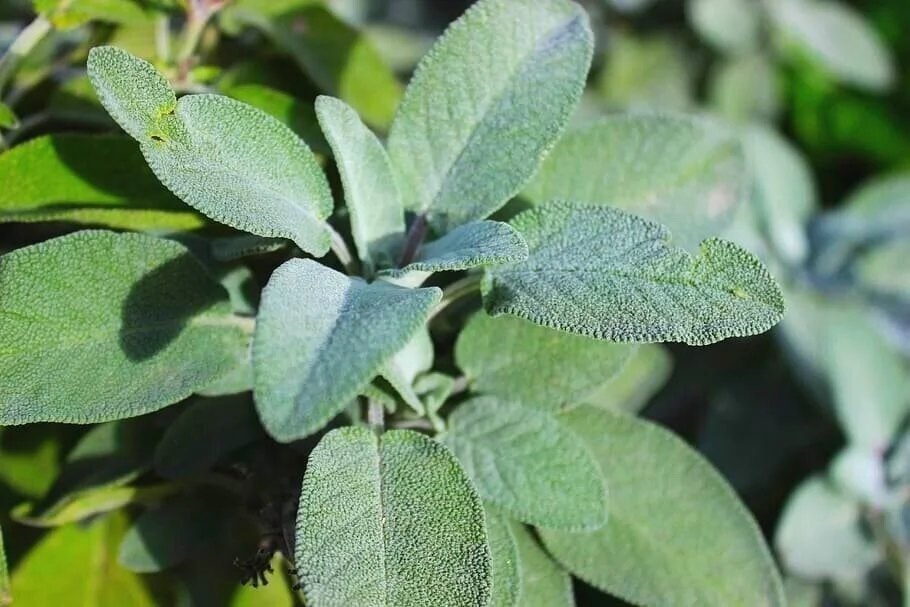
SAGE
And our way of life is often not so peaceful… The plants see how much drama, war, pain, and struggle humans have. They have evolved along side us to help our brain and nervous system function well. The gentle compounds in the plants are a wonderful and effective alternative to drug like compounds found in Western meditations to deal with anxiety, stress, overwhelm, an unquiet mind, and emotional suffering.
Humans and other animals have always been consuming relaxing plants to feel better! Our cat has been eating mimosa pudica leaves we have as a potted plant and acting very mellow and slightly drunk around the house. There are many examples in nature of animals eating relaxant plants, which make us feel slightly dreamy and very calm. This is why we enjoy narcotics often… they can help us feel very chill as well as ease any emotional suffering or stress we might be feeling. All animals need support to feel the deep calming effects these plants can bring us.
Plants to bring Peace ~
Blue vervain, lavender, sage, holy basil, rose, lemongrass, juniper, skullcap, reishi, pine, hemlock, oatstraw, lemon balm, blue lotus, linden, spruce, cedar, elder flower, jasmine, sweet orange, mugwort, cannabis CBD or TCH (in excess causes anxiety), chamomile, peony, motherwort, gotu kola, tilo, valerian flower, catnip
Video ~ Plants to Quiet the Mind
Plant Spirit Healing
Connecting to the spirits of the plants during meditation has often been the most powerful practice for emotional healing I’ve seen over the last 30 years. Besides spending time with the live plants, I can’t emphasize enough how powerful the spirits of the plants can be… especially healing deeper layers of trauma we carry. I hope you have been able to feel this in some of the deeper meditations you’ve had. They have a very strong effect on our entire nervous system on a vibrational, energetic, and spiritual level. Receiving energy from the spirits of the plants is often the most immediate way to feel their effects. It can also work deeper within our whole being. Couple this with the physical medicine of the plants taken internally.
Drinking teas, tinctures, and extracts of all kinds can be very helpful for the nervous system in a wonderfully calming and restorative way, but they have to be combined with other healing practices in my opinion to be really effective. Time in nature surrounded by the plants, relaxing through rest, and allowing the spirits of the plants to do the energetic work needed is deeply important.
Connecting and communicating with plant spirits allows them to guide us towards what we most need for our wellbeing. This is especially powerful when spending time with live plants outdoors, journeying with them in spirit realms, and working with them in healing rituals. We can bring the spirits of the plants to people and allow them to do the needed healing work with us.
Video ~ Emotional Healing with Plant Spirits
Supporting Healing
from Trauma
Finally healing from painful experiences feels like resting our whole body in peaceful waters… where deep ease washes through our whole being and we feel safe and finally able to relax. We can let go of our tense grip of anticipating pain continually and allow our whole being to recover. Naturally healing happens in this place of safety and ease. We have to create protected and relaxing space for this to unfold.
Painful experiences become trapped emotions in the body, and like wounds that don’t heal, they linger for years bringing pain through our mind, body, and emotions. Any painful experiences we have had, especially when they are not dealt with in terms of receiving the loving tender care we need to recover, or are repeated harms, get imbedded in our body and nervous systems. These painful experiences are carried within us sometimes for decades, and sometimes lifetimes. Many of us feel that experiences our ancestors have had can also by passed on or carried within us, even if it is just through family patterns and memories. Rather than focus on the source of the pain and re-living painful experiences, (which can just retraumatize), we can focus on tending to ourselves in the present. We can focus on attending to what is rising to the surface with loving care.
Healing painful experiences stuck in our body and nervous system can take time. Sometimes years, and sometimes only when we have the time to rest, receive, and prioritize our needs fully. This obviously is difficult when we have a lot of responsibilities. The problem is we need to tend to the wounds we carry, or we keep carrying them. All wounds need time to rest and heal. There is no other way. Healing from painful experiences and harm done takes time and patience.
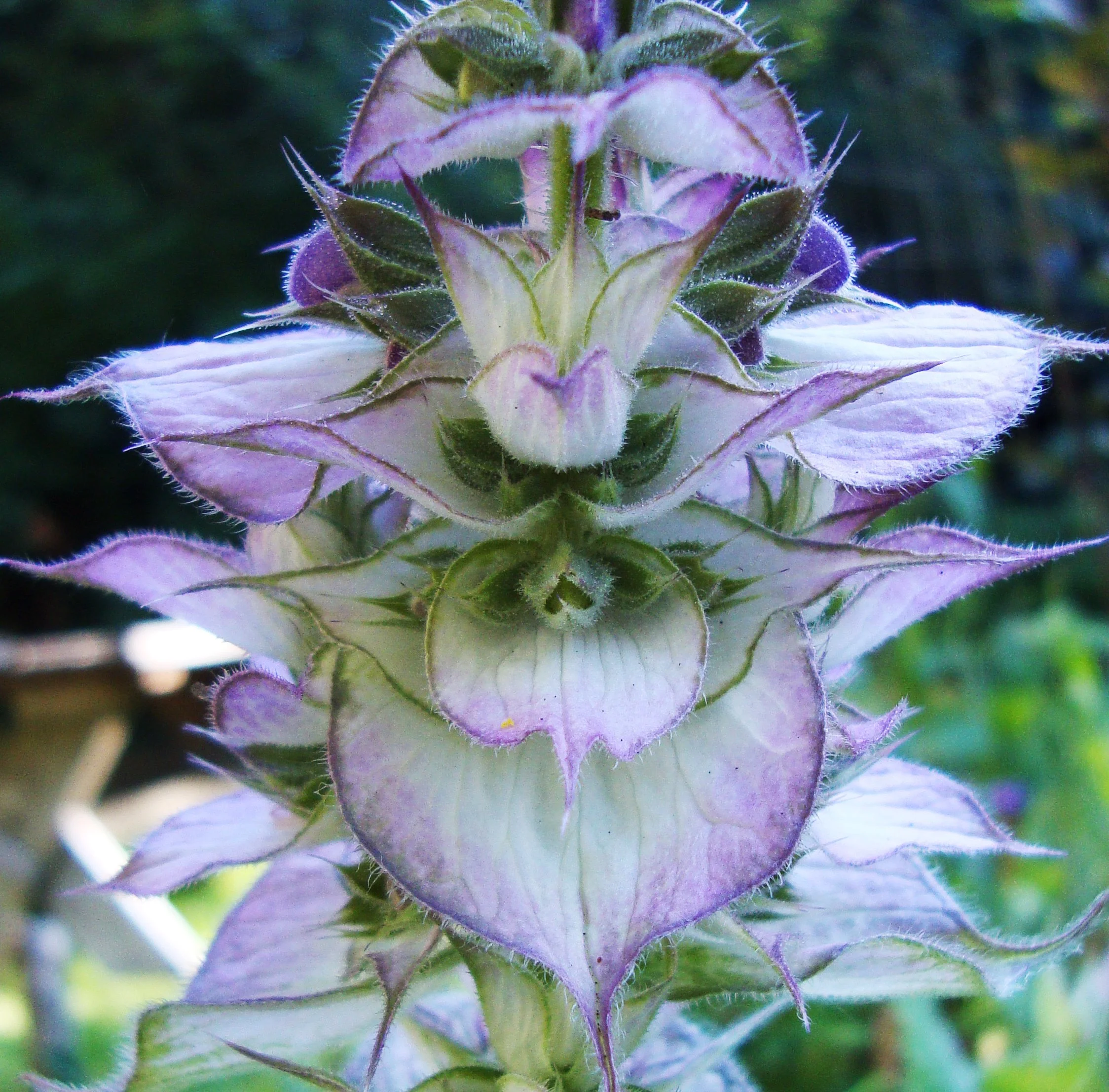
CLARY SAGE
With enough safety, rest, and love, the nervous system seems to heal on its own time. Our soul is supported by so many helpers we do not see… including all of nature that surrounds us. The water, the earth, the sun, the plants… all of the planetary and elemental forces, combined with the healing powers of nature… Our whole being soaks up what it needs. As naturally as breathing air and drinking water, we receive the healing energy we need from nature. The more time we spend in nature, the more is received.
I’ll emphasize again, rest is essential for healing our nervous systems. When we rest the nervous system heals. When we are expending energy our body uses the fuel it needs to put towards healing and recover. When we relax the body can put all its energy towards healing. (This doesn’t mean never to be active, we need movement for health as well!) We need energy to go towards healing, which feels very difficult to find the space for in many of our lives. I think so many people don’t get to do the healing they need simply because we live in a society that doesn’t have space for true rejuvinating rest.
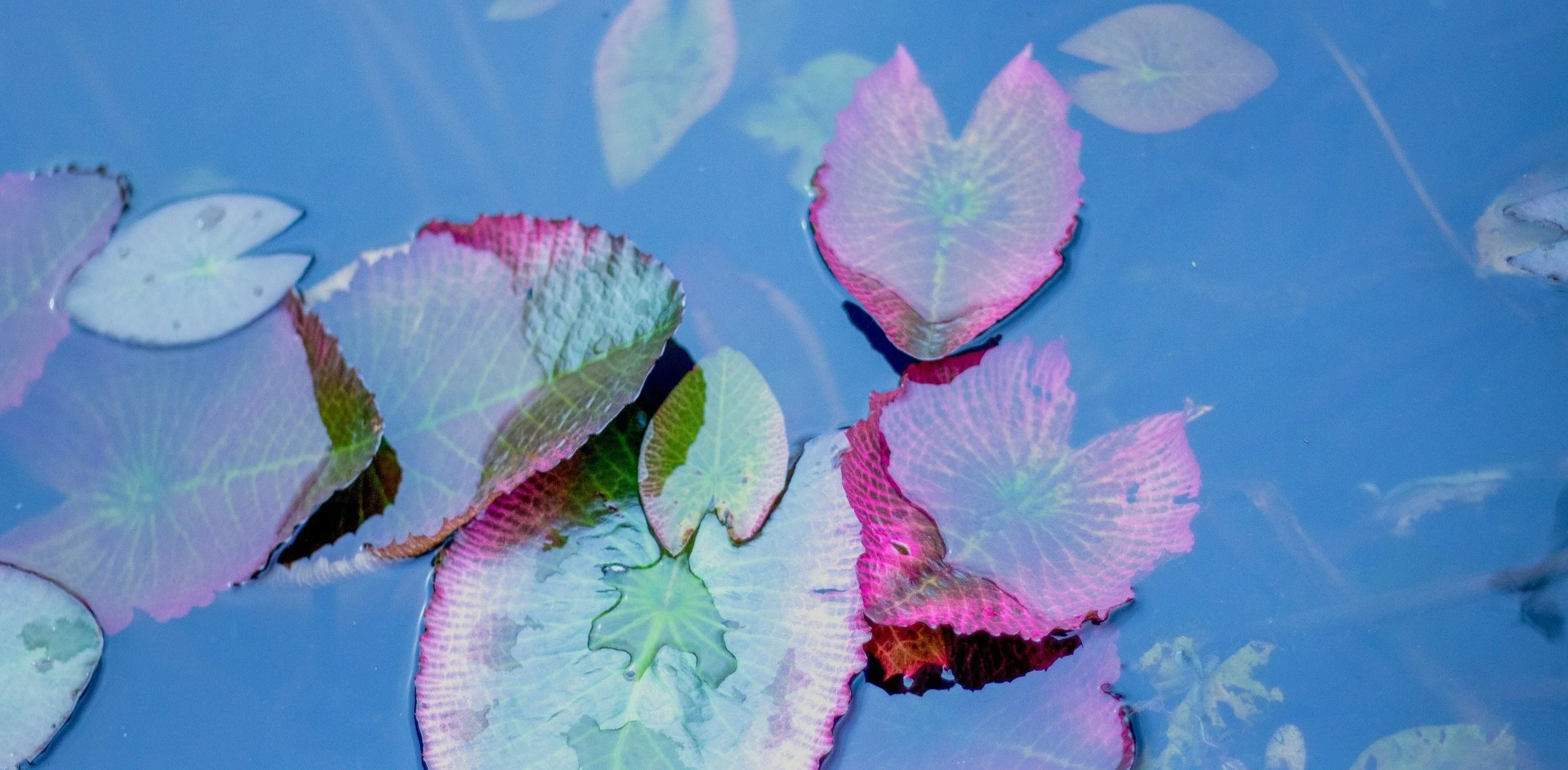
There are many plants I love to work with for healing trauma. It’s important to say that any plant can help us heal trauma if it’s a strong ally and guide for us. I’ve seen just about every plant I know be trauma healing for someone over the last few decades. Plants are magical, and they can bring many kinds of relief from suffering and pain. I recommend asking someone to think about plants they were connected to from childhood, or plants they have a special love or affinity for. Often these are strong allies they can return to for healing and support. For me the evergreens, rose, lavender, sage, willow, dandelion, violet, water lilies, lilac, daffodils, and lily of the valley all have supported me since childhood. They will always continue to bring me comfort, strength, peace, and healing when I need it. Some of these plants have also helped many many people over the centuries through really difficult pain and suffering.
Nervines in general are very helpful in supporting people through trauma. Just like recreational drugs and alcohol, they can bring us much needed relief from suffering but without toxic side effects. Anytime we are suffering we feel a great deal of stress and tension, sometimes fear and panic. All nervines are meant to relax stress or tension from the body, mind, and nerves. With calming nervines we can gently yet effectively guide the body into more of a calm state, relieving a lot of the emotional intensity. This is not to numb out, which I think stronger drugs can cause us to do. There is certainly a place for stronger remedies when needed, though so many of them can be dangerous to use or have a highly addictive quality. Nervine herbs are a safer alternative and can be used as an alternative to stronger drugs.
We can help relieve anxiety and stress from the loss of a home, relationship, or job with grounding and calming adaptogens such as siberian ginseng, ashwagandha, holy basil, etc. Or we can give heart loving nervines for grief and loss, such as rose, motherwort, and linden. We cannot change someone’s life circumstances, we can just bring some support and relief, as well as help bring more compassion for what they are experiencing. Part of recommending herbs for people is also helping them to have patience and compassion for themselves, recognizing more of what they are experiencing at this time in life.
Plants for Trauma Recovery ~
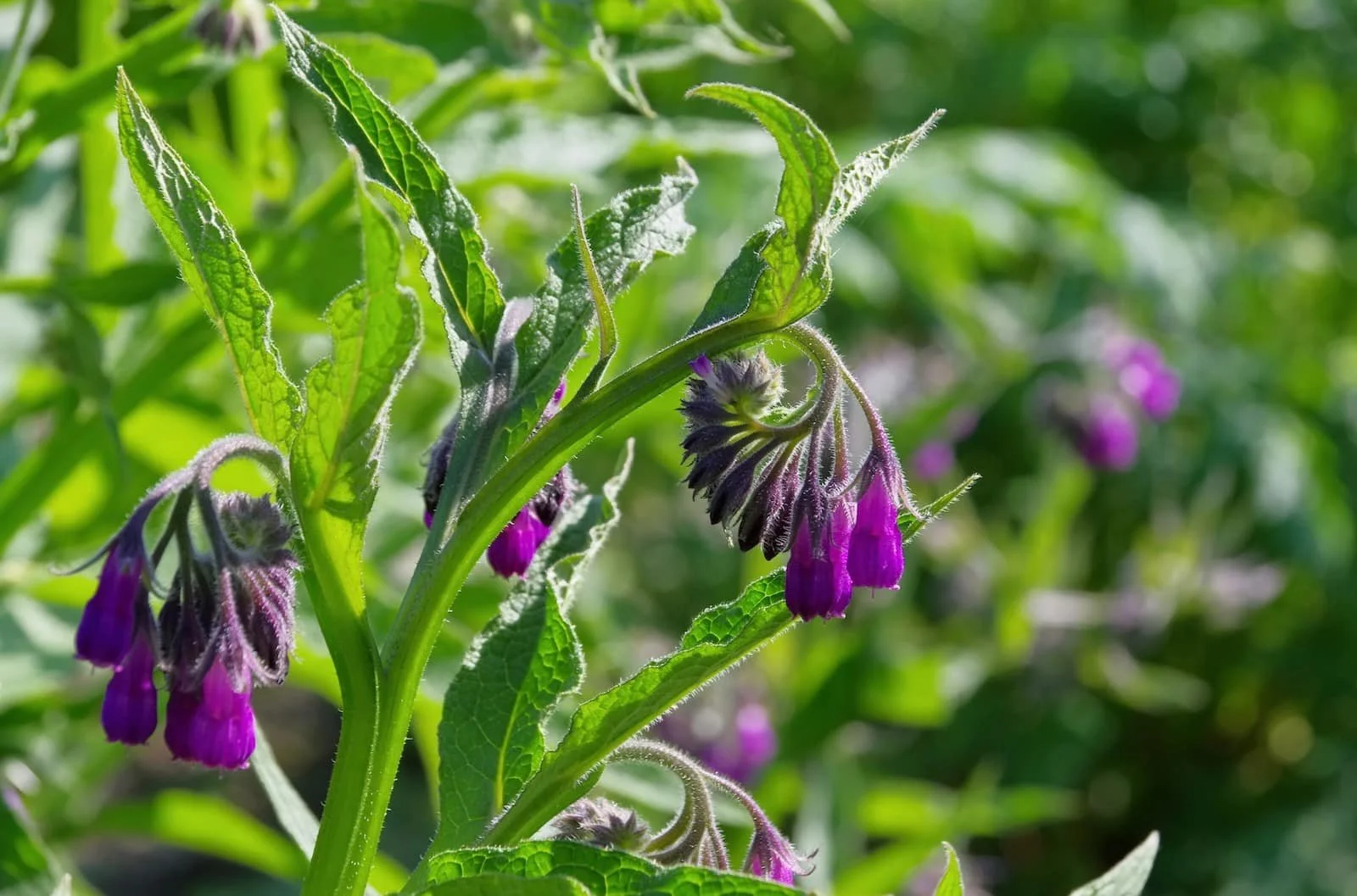
Rose, Oatstraw, Evergreens like Pine, Juniper, Cedar, Spruce, Fir, Lavender, Blue vervain, Peach, Violet, Sage, Mullein, Comfrey, Skullcap, Lemon balm, Basil, St. John’s Wort, Yarrow, Linden, Blue Lotus, Lavender, Mugwort, Nettles, Plantain.
Stronger Plants for Short term or Occassional Use ~
Cannabis, Psilocybin Mushrooms, Ayahuasca.
Ceremonial Blessing Herbs such as Cedar, Juniper, Copal, Sage, Lavender, Dragon’s Blood, Myrrh, Frankincense, Sandalwood. (mindful of endangered plants).
Video ~ Trauma Recovery Plants
The Calm Mind
Accessing Peace Within
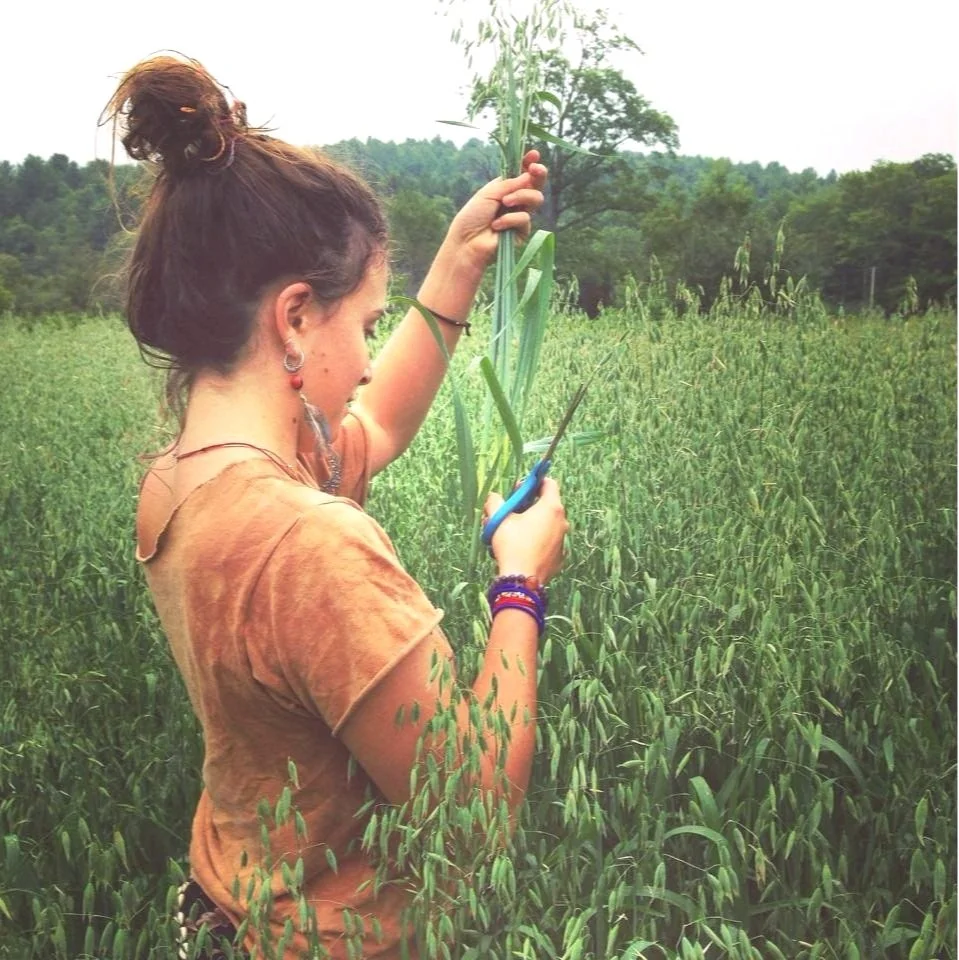
HARVESTING OATSTRAW AT GAIA
When I was young I was always in search of feeling peaceful and joyful, as all kids are. In many ways I’m still on a continual search for a feeling of deep peace. I have always felt it in nature, when meditating, and anytime I feel connected to Spirit. We know it when we feel peace and calm. Think about moments in your life you feel peace and relaxation… what brought you there? This is the feeling I want to cultivate for others with the plants and in nature. It is deeply healing to the mind and nervous system, and needed by all of us.
We need a lot more than just plants to heal the mind and emotions, so please know even the most powerful plants can’t do all the work for us. There are many aspects to mental and emotional health, and it’s important we look at the whole picture when we are supporting others and recommending herbs to people. We have to consider the factors of someone’s environment, as well as their present and past life experiences. We also have to keep in mind (and heart) that there is a lot going on in their life contributing to struggles and suffering that we may not know about. Remember we are not here to control or fix… we are just bringing what tools we have to bring ease and support. We can help in many ways to relieve suffering and help strengthen someone with plants, just bring your patience and understanding that plants are not a magic fix.
When we are helping to support someone’s mental and emotional health we want to help them listen to themselves first and foremost… identifying what they are experiencing that’s contributing to struggle. We are not playing the roll of therapist, psychiatrist, or “fixer”, and we are not going to give them a magic pill that makes all of their mental and emotional health well again. They are not a puzzle to be solved, we are just wanting to help someone understand what is contributing to what they are experiencing. This will help them identify what might need to changed or be addressed in order for them to find greater mental and emotional health. For example physical illnesses, loss of home or relationship, lack of sleep, lack of supportive relationships and connection, can all contribute greatly to mental and emotional struggles. Not all of this can be “fixed” or be remedied quickly.
When we have discovered together with someone what is contributing to their mental and emotional health, we can can begin to map out plans with them for greater wellbeing. What do they need for emotional and mental wellness? It might help to them to journal about this, discovering what might be right in front of their face. We often don’t see what’s contributing to our struggles, or what can help us that is right within reach!
As a practitioner I want to bring in plants and practices that will help them access a feeling of peace and safety. I find meditation, relaxation therapies (like massage, breath work, time in nature), sleep, journaling, and sometimes a good therapist or compassionate witness, are extremely healing. We can help someone identify what supports their mental and emotional health the most, which can be unique to each of us. I might need time creating art, writing, or reading for my emotional well being. Someone else might need time kayaking, rock climbing, playing basketball, or spending time with dogs!
You can help someone create a list of what helps them feel emotionally and mentally well, then weave that into their herbal recommendations. Remember plants can only do so much for us if we are leading a life that isn’t also supporting our emotional well being. We can’t expect plants to do all the work for us of learning how to live a life that supports us. That said I do certainly find herbs incredibly helpful in supporting mental health, especially with deeper layers of healing the plant spirits can bring. Here are some of the things we all need for mental and emotional health, which are important to help identify
Cultivating Physical Health
Healthy Food
Expression and Release of Emotions
Tending to Trauma
Time to Heal
Safe supportive Home and Sanctuary
Loving Community of Friends & Support systems
Healthy Relationships
Good Sleep
Time to Rest and Play
Meditation
Cultivating Moments of Calm

I’ve studied Buddhism for over 30 years, including many different forms of meditation. What I have settled on in my meditation practice is what I teach in our Gaia classes. I’ve found what helps many of us go deeper in meditation… stretching before sitting, massage, burning blessing herbs, music, drinking tea, and comfortable places to relax the body. Sitting in a comfortable seat, breathing deeply, and resting the mind. Listening to what arrises within us and around us. We spend the time in relaxed presence, connecting to ourselves, our breath, body sensations, and all that we can feel within or around us. I relish meditation time! It is time to rest my body and mind, replenishing and reconnecting to all that resides deep within me.
Creating moments of peace and calm is something we can help others create, such as facilitating meditation, deep breathing, relaxation, spending time in nature, or drinking a cup of tea. When the nervine plants that calm the body and mind are taken at the same time it’s much more effective. As you’ve seen the plants are much more powerful when we drink them during meditation or during relaxation.
When I’m supporting others with plants I encourage them to add meditation, time in nature, relaxation practices, or other therapies or lifestyle changes to support emotional wellness. There are so many practices that help us to rest and receive. What would you add to this list? I would add art making, time in the garden, baths, reading, canoeing, hiking, journaling, writing, and receiving massages!
Cuddling with animals or loved ones
Prayer
Ritual & Blessing herbs
Stretching & Yoga
Massage, including self massage
Play and laughter
Meditation
Sound Healing & Energy work
Drinking tea
Laying on the earth
Time in the garden or in nature
Baths & Water immersion
Reading
Journaling
Deep breathing
Art making

My favorite plants to drink during meditation ~
Blue lotus, rose, blue vervain, skullcap, reishi, siberian ginseng, ashwagandha, tulsi, lavender, sage.
Video ~ Meditation for Mental Health
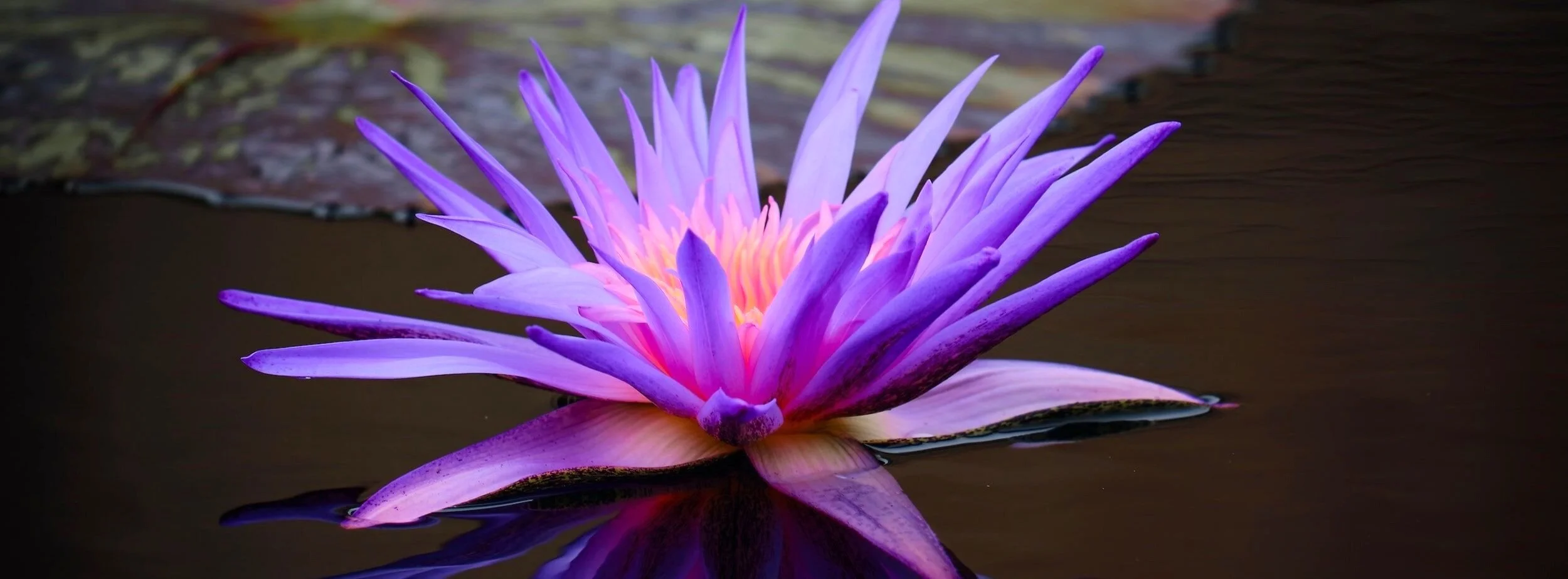
BLUE LOTUS
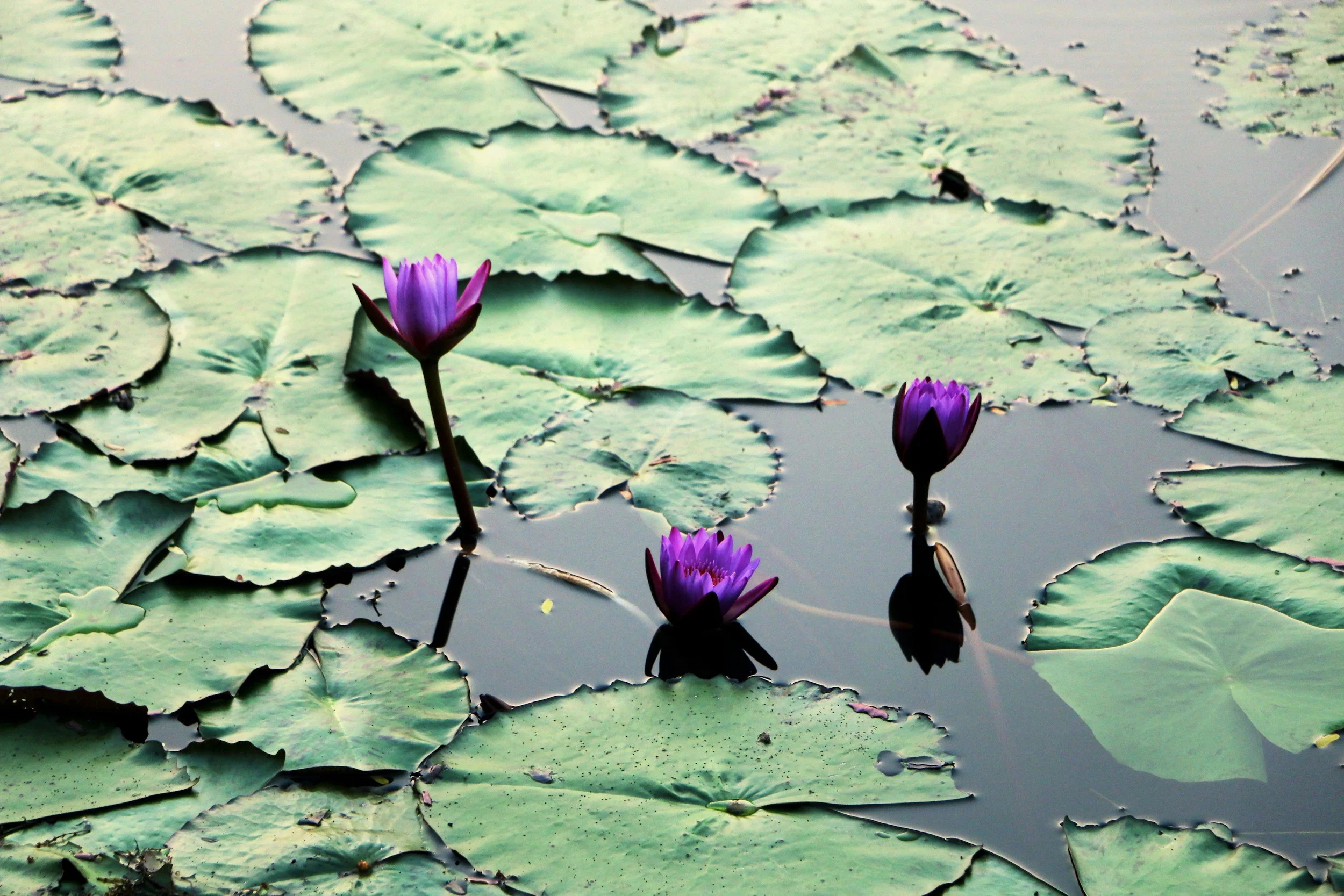
Plants of the Dreaming Mind
Awakening the 3rd Eye
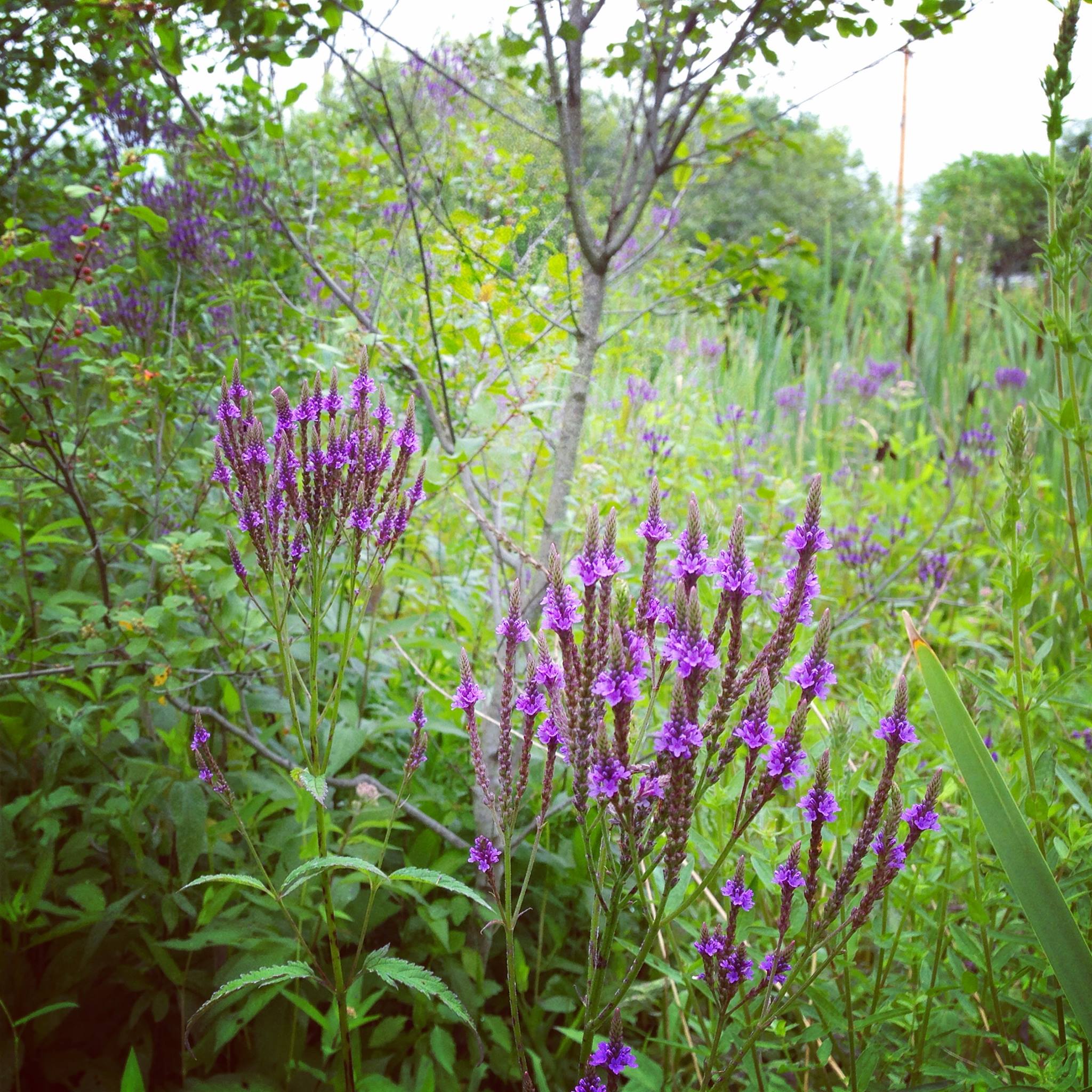
BLUE VERVAIN IN BLOOM
The dreaming mind or ‘third eye’ is the part of our consciousness that can connect and receive a lot more than what our environment shows in the physical realm. This part of our mind can perceive beyond the limits of our thinking and physical reality. We enter the realms of the spirits and energy, where all is vibrating together in deep intimacy and interconnection. It is the part of our brain and awareness that can hear the whispers of the universe through us… Able to pick up messages from the realms of nature communicating through energy and vibration.
The dreaming mind allows us to experience more of what exists beyond this reality of experience. Working with plants that activate the third eye allows us to receive and hear so much more! We are able to listen to the deeper undercurrents… touch the soul and spirit of all things. This is especially helpful when we feel disconnected, unloved, and undernourished body and soul. Opening the third eye allows us to connect to the sources of soul nourishment we all so deeply need. It also can return us to the wisdom and feelings of our heart, soul, and body.
There are many wonderful plants that support the third eye opening, peeling back the veil of ordinary reality and allowing us to perceive at much greater depths. These plants allow us to feel more deeply connected to all that surrounds us, receiving and connecting with others (non-human alike). I find when I work with 3rd eye opening plants I tend to receive so much more from spirit and the energy I need from nature… finally opening myself wide to drink in all of the healing vibrations that surround me. Increasing our awareness of the energies around us stimulates this ‘drinking in’ of energy. As if we can finally see the feast that surrounds us and we can now open our mouths to taste and receive it. These plants help us to open our eyes to the reality of what truly encircles us. Naturally we then go towards the places we hear invitations… and recognize what is being offered to us.
Plants to Open the Third Eye
Egyptian blue lotus, Passionflower, Mugwort, Jasmine, Blue Vervain, Lavender, Damiana, Kava kava, WIld Lettuce, Elder flower, Skullcap, Tilo (Justicia pectoralis), Cannabis, Valerian flower, Holy basil, Linden, Sage
Video ~ Mental Health & The Third Eye
Video ~ Plants for Awakening
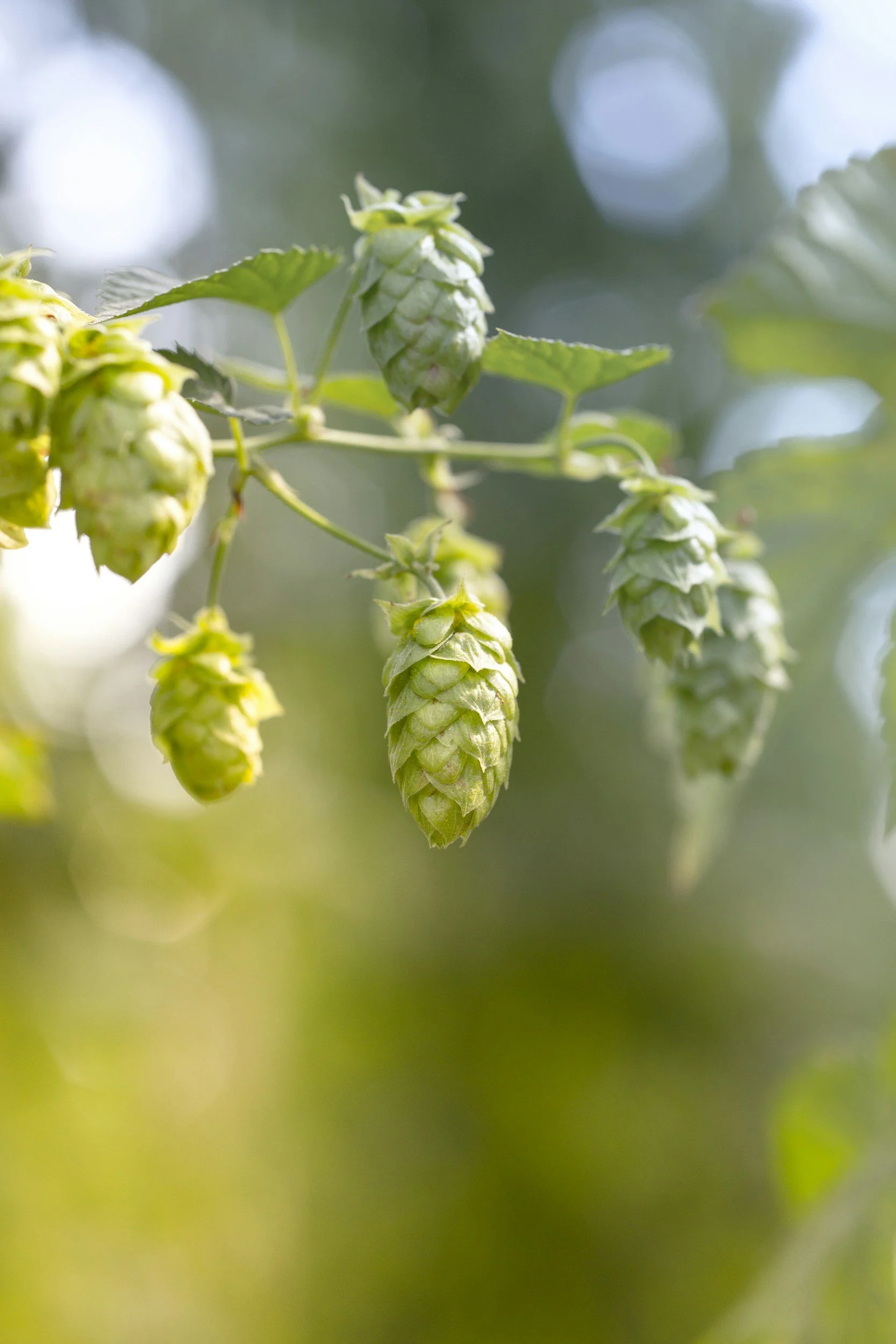
HOPS
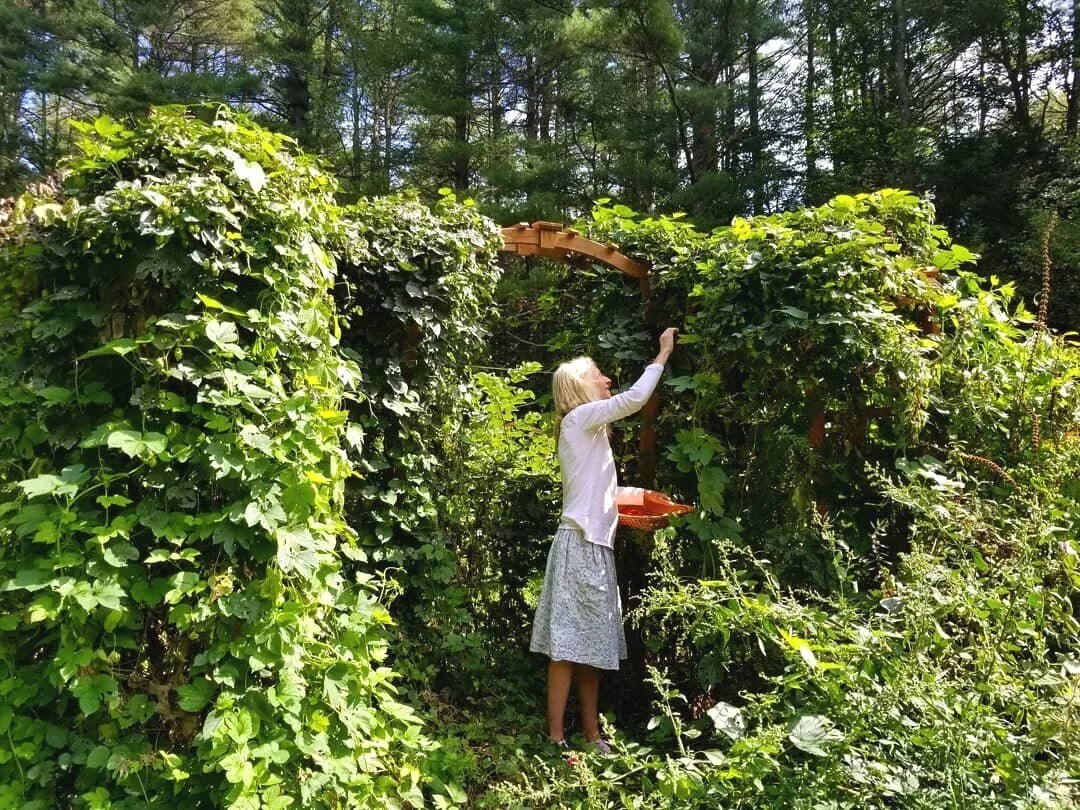
HARVESTING HOPS AT GAIA
Supporting Deeper Sleep
Replenishing the Nervous System
The nervous system is wired to bring us into an almost hibernation state of sleep every night in order to replenish its energy, and then wake us up to be active during the day, hopefully restored enough with rest to have more energy throughout the day! I find it quite amazing how the body goes into this state of renewing itself during sleep, and if we do not get enough of it we do not have energy for our day. The body stays tired if it doesn’t have the time to replenish itself. There are many reasons why the body’s ability to shift into a deep state of relaxation and sleep gets interrupted. Stress, fear, discomfort, trauma, physical disease…
Sleep feels so good when it’s good… and can plague us with frustration when it isn’t. When I was the most sick with Lyme disease, I had years of insomnia that fortunately got much better after I had a lot of treatment. Chronic insomnia is a very common issue that impacts our whole body as well as our mental health. Unfortunately it is very common and affects 10-30% of the population, increasing to over half of all older adults. Lack of sleep can can lead to many health issues, including impaired cognitive function, weakened immune systems, and mood disorders like anxiety and depression. Over 40% of people with insomnia are believed to have co-occurring mental health issues like depression or anxiety. Insomnia tends to affect people with ovaries most, due to hormonal fluctuations during menstruation, pregnancy, and menopause.
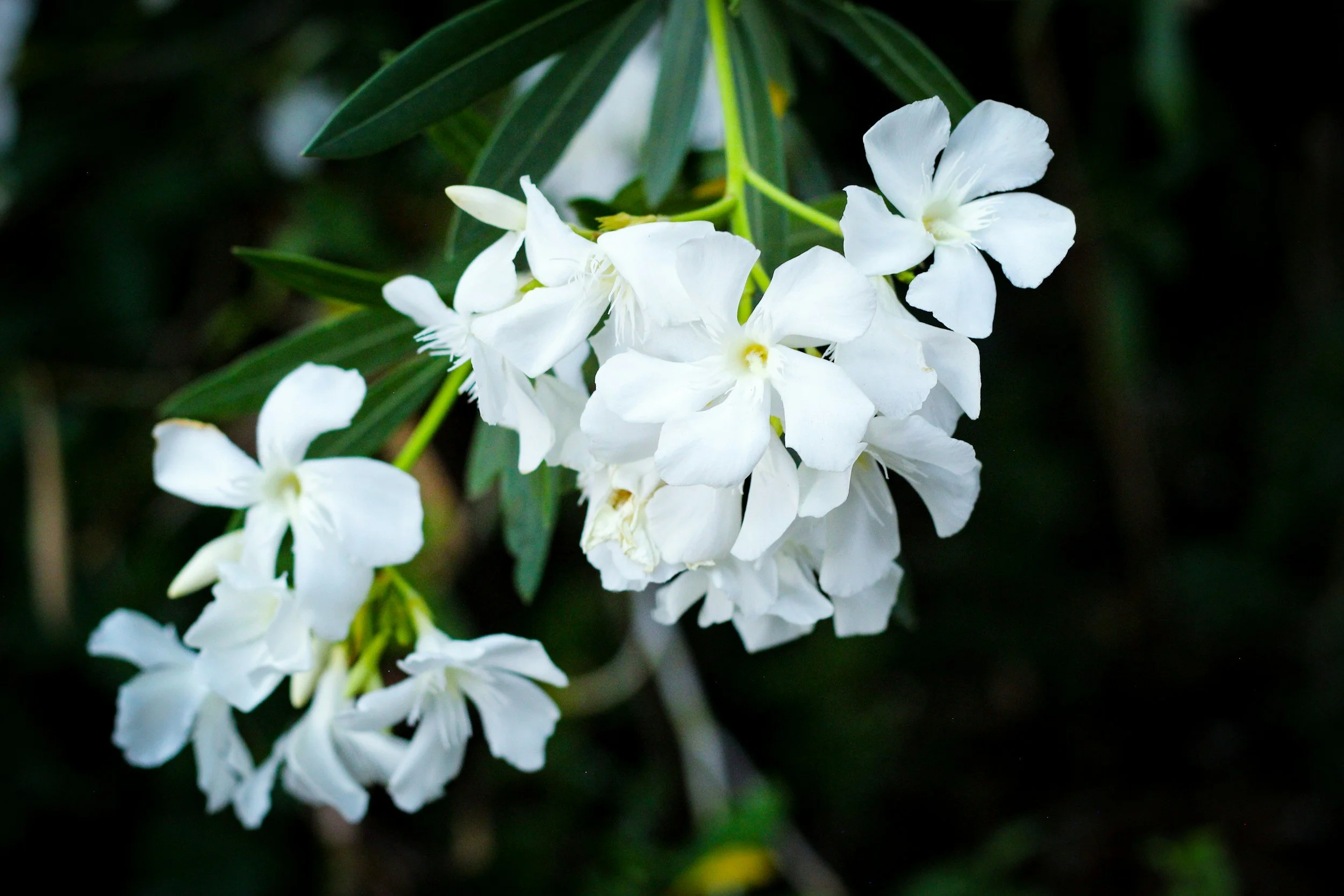
JASMINE
It is most helpful if you can discover the cause of insomnia and address it, instead of just take sedatives! That said, sedatives can help in the meantime while the deeper causes of the lack of sleep are figured out. The most common causes of insomnia are anxiety and stress, hormonal imbalances/changes, grief or emotional pain, bad sleep habits, eating too late, PTSD and trauma, medications, chronic illnesses, stimulants, and sleep-related disorders like sleep apnea. Adaptogens and nervines can help in some of these cases, as well as improved sleep habits, relaxation therapies, and addressing any health related factors.
Herbal sedatives work the best when they are taken at higher doses, (2-4 droppers full of tincture in water), and you want to take them 1 hour before bed so you have time to pee if they are diuretic! I absolutely love herbal sleep support because many of them also bring sweet dreams, and relax tension from the body (antispasmodic muscle relaxants). I like the melty feeling they give me, and who doesn’t like to get a deep night of sleep! The one herb to be careful with is mugwort since it can bring such strong dreams that we can’t sleep as deeply as we want to. I find a combination of adaptogens during the day and herbal sedatives at night are the best way to get a great night of sleep since the adaptogens are working on our endocrine system/hypothalamus, which regulates our sleep cycles.
Herbal Sedatives for Insomnia
Hops, skullcap, mugwort, california poppy, blue vervain, passionflower, valerian, chamomile, catnip, lavender, jasmine, egyptain blue lotus, california poppy, soursop/guanabana, lemongrass, tilo (justicia pectoralis)
(2-4 droppers full of tincture in water taken 1 hour before bed
or 1-2 tsp. herb steeped in 1 quart water drunk as a tea.)
Insomnia Tincture Blend for Deep Sleep
3 parts hops
2 parts skullcap
2 parts passionflower
1 part tilo (justicia pectoralis)
1 part guanabana/soursop leaf
1 part reishi
1 part ashwagandha
Sleep & Dream Time Tea
2 parts lemon balm
2 parts skullcap
1 part jasmine
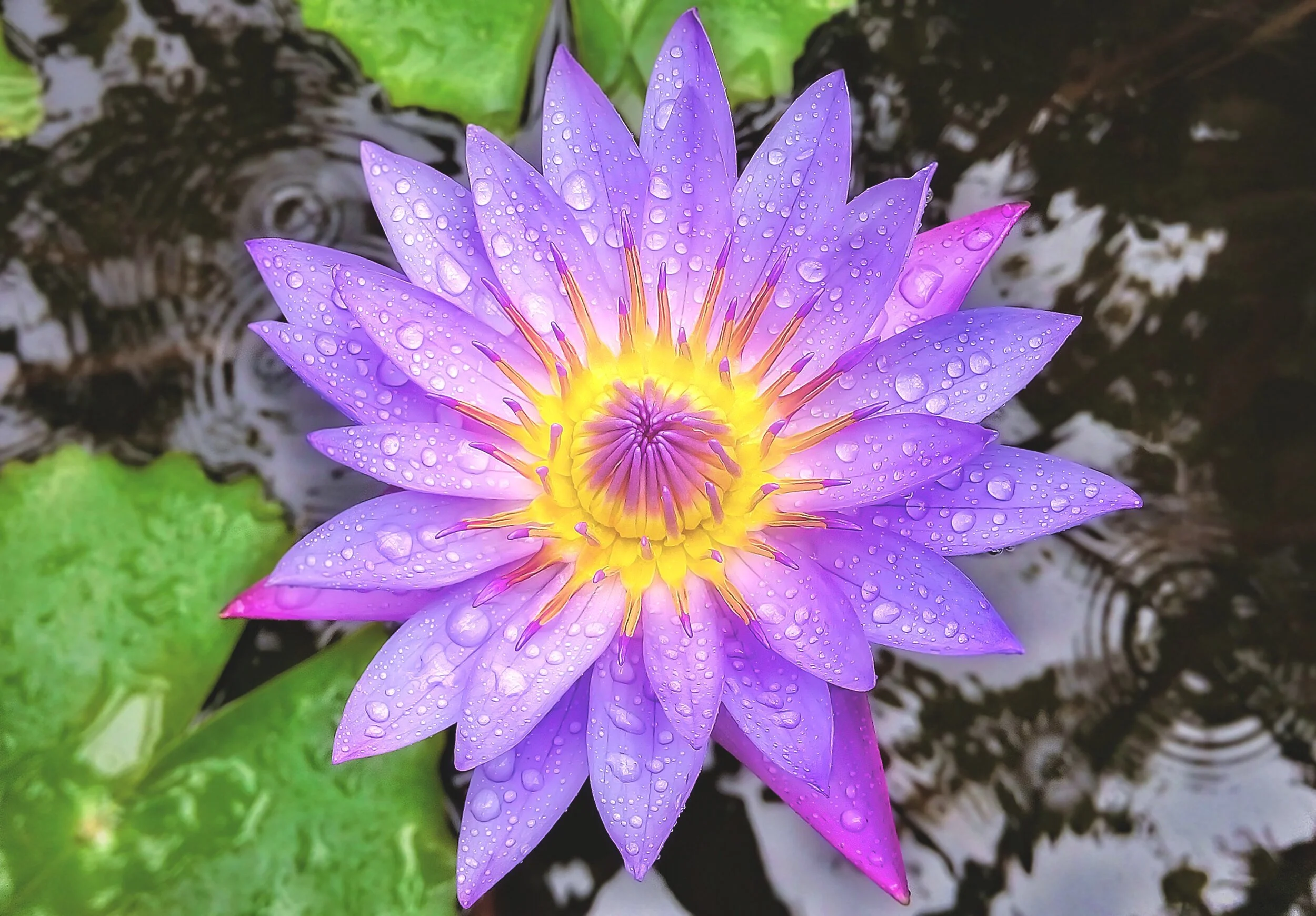
1 part egyptian blue lotus
1/2 part ashwagandha
Steep 1-2 spoonfuls in a quart of water for 30 minutes. Strain and drink 1 hour before bed. Dilute with water as needed.
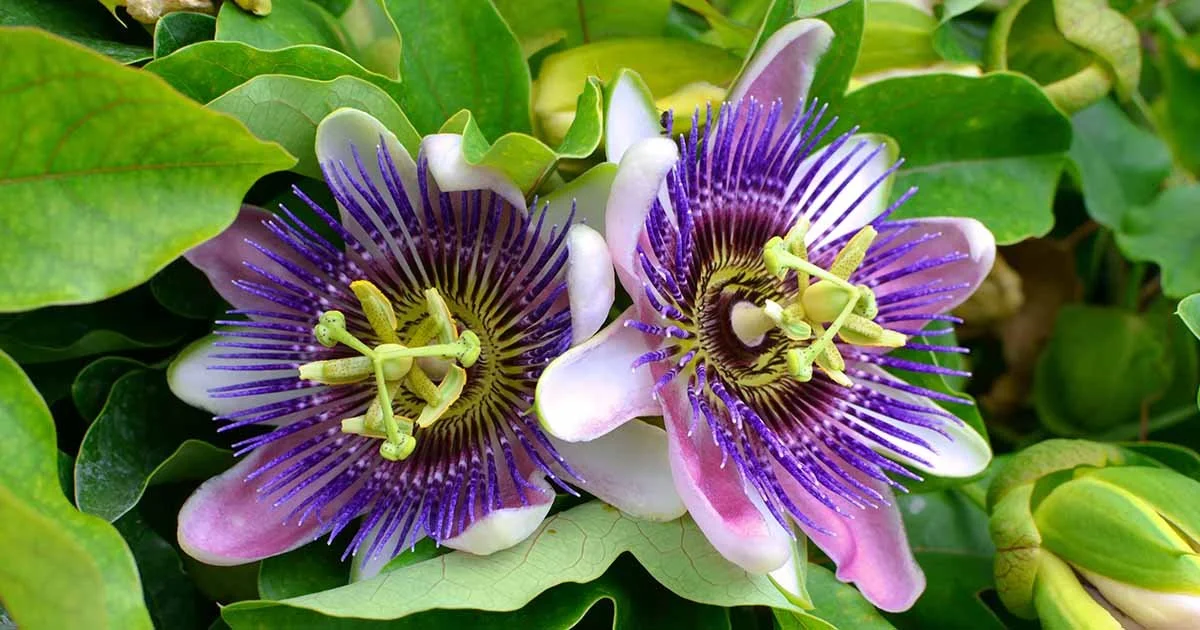
PASSIONFLOWER