Gardening with the wild
An immersive gardening course exploring how to work in partnership with wild and cultivated plants, with practical guidance in plant identification, rewilding practices, and building diverse, resilient garden ecosystems.
6 Recorded Zoom Classes
20% off using code PLANTHEALER20
Scroll down to learn more.

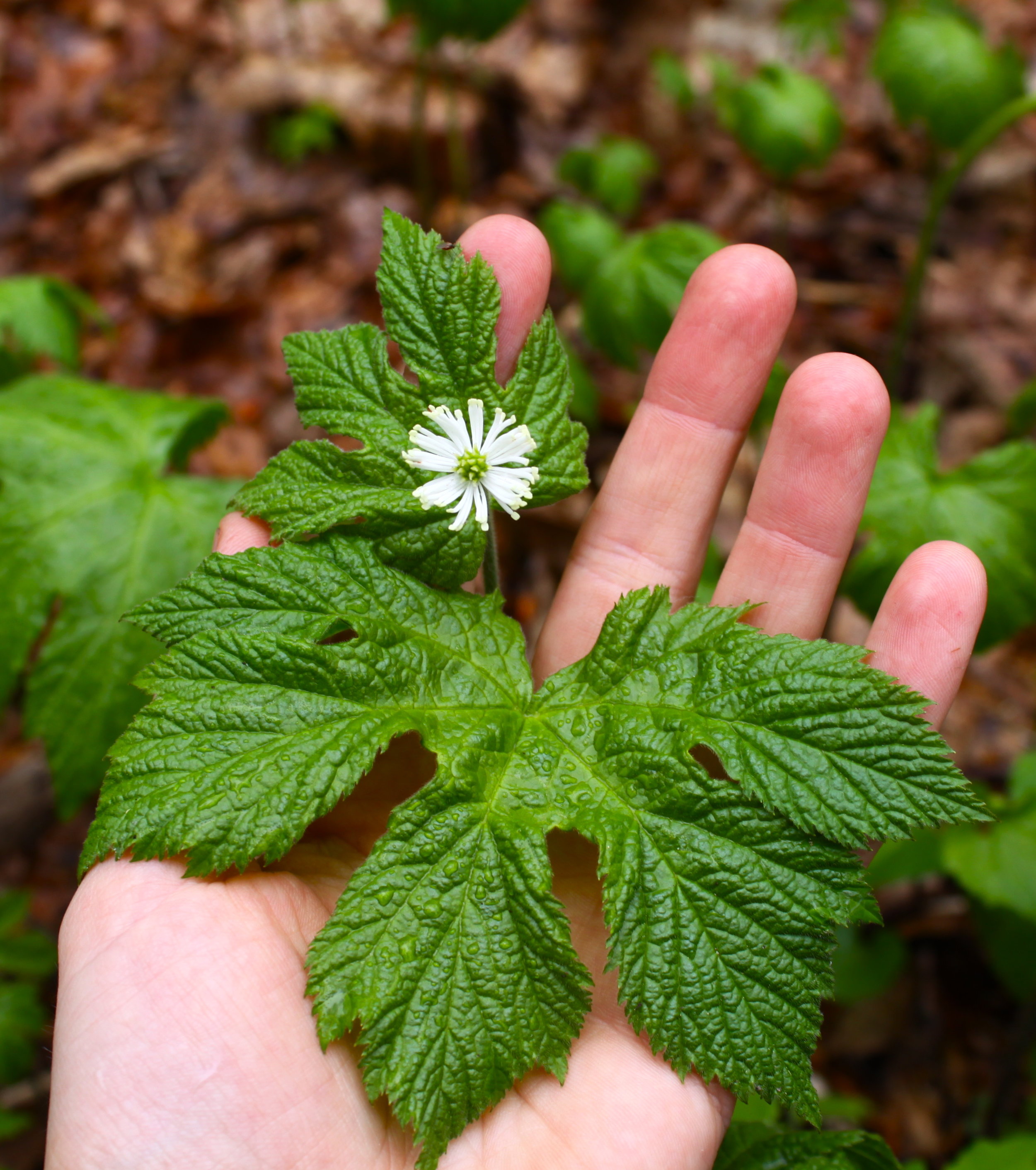

Supporting Plant Diversity in the Garden
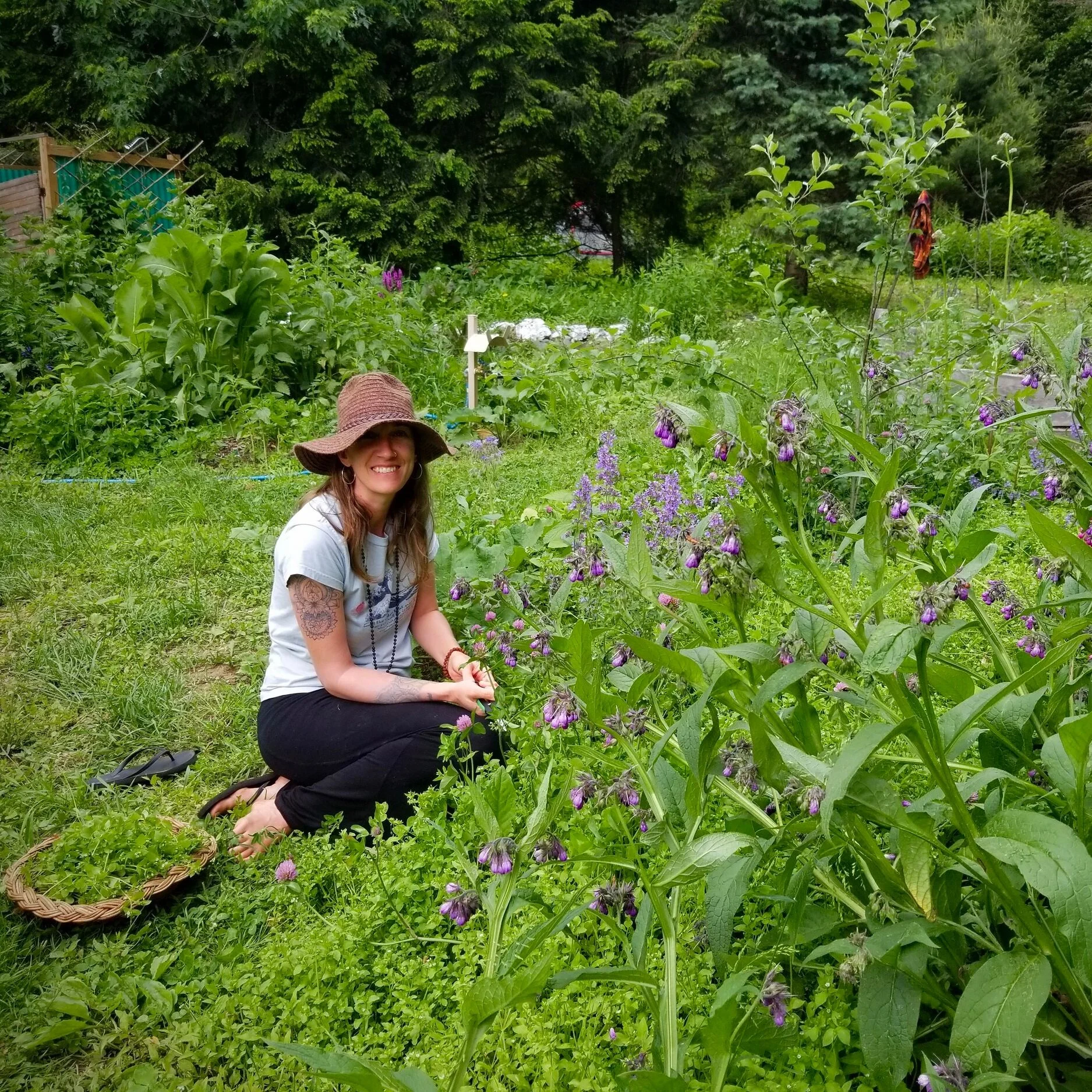
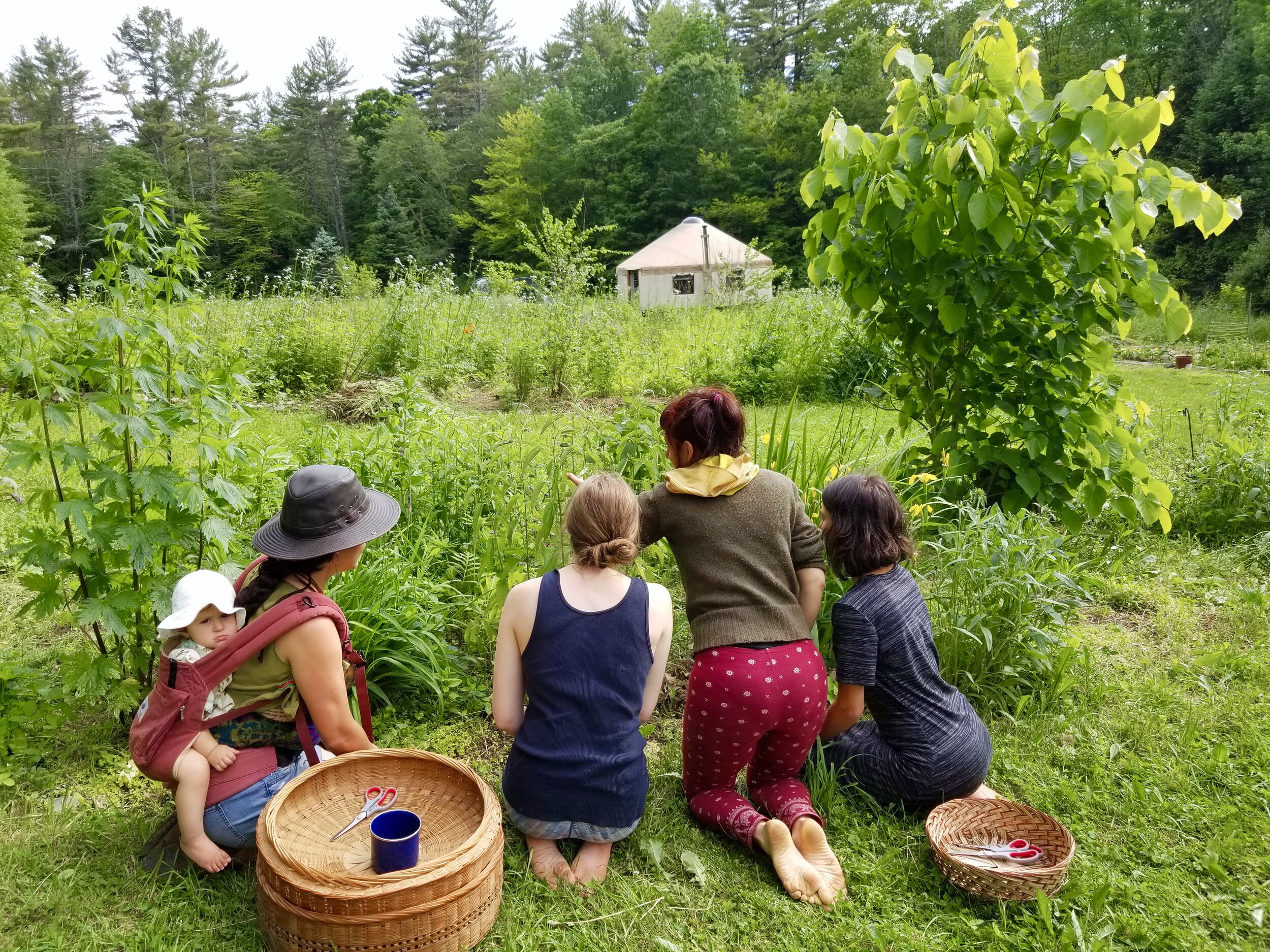
Come learn how to garden in partnership with the plants themselves. For over 20 years, Sage has been learning how to work with nature in the garden—leaving room for wild plants to grow freely alongside cultivated ones. This approach invites native and naturalized plants to share space with the seeds we plant, increasing biodiversity, resilience, and abundance.
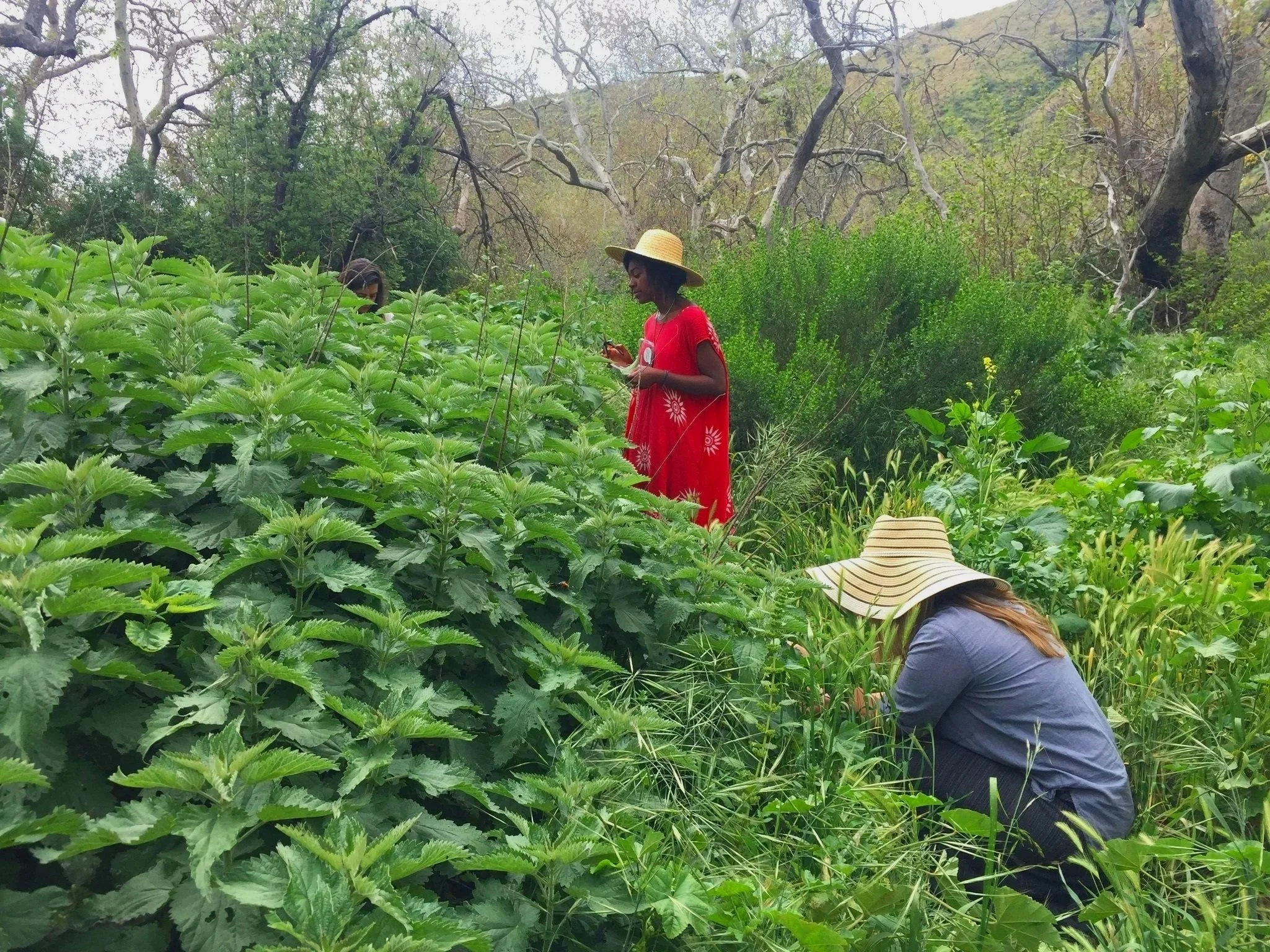
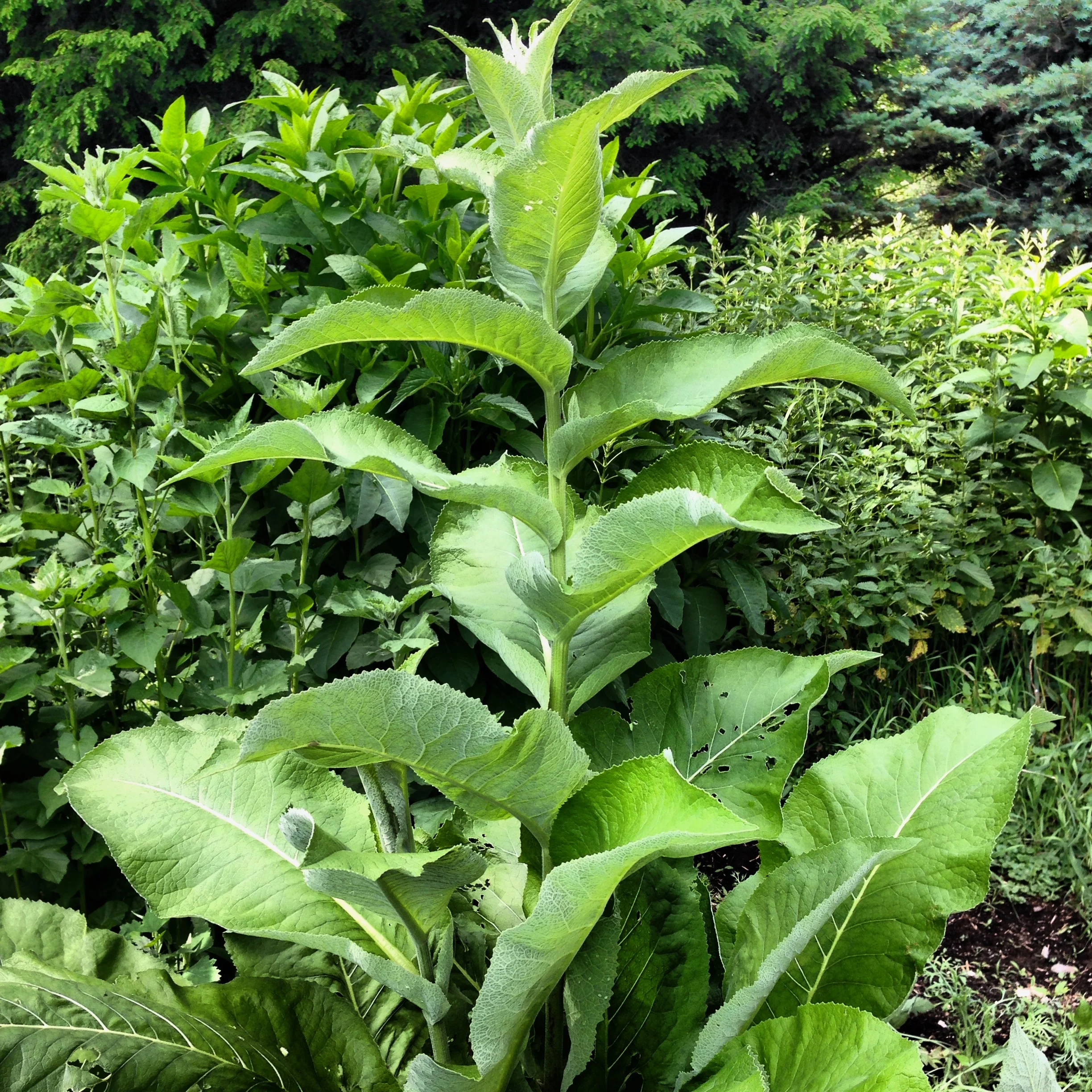
In this course, we explore how to support wild plants within vegetable, flower, and medicinal herb gardens—learning to identify them from early spring as tiny sprouts. We practice selective weeding, thoughtful transplanting when needed, and interplanting with ecologically and medicinally important species. Sage brings extensive knowledge of wild, naturalized, native, and cultivated plants of the Northeast and other temperate regions, as well as many tropical medicinals. Students are encouraged to focus on plants specific to their own ecosystems.
Gardening with the wild allows food and medicinal plants to grow naturally, without unnecessary intervention, giving native and wild species the space they need to thrive. This method leads to more abundant harvests, greater plant diversity, increased food for pollinators, and healthier garden ecosystems overall. Gardening with wild nature also allows us to confront and transform our tendency to want to dominate and control nature, plants, and the communities that surround us. We explore the intersections of plant medicine, deep ecology, equity, colonization, repair, re-wilding, and the healing power of gardening with nature.
Students will keep a garden journal, practice plant identification, and study their local naturalized, native, invasive, and medicinal plants. Classes include discussion about different plant species, their medicinal and food uses, as well as each plant’s growing cycles and personalities in the garden.